Song Meaning
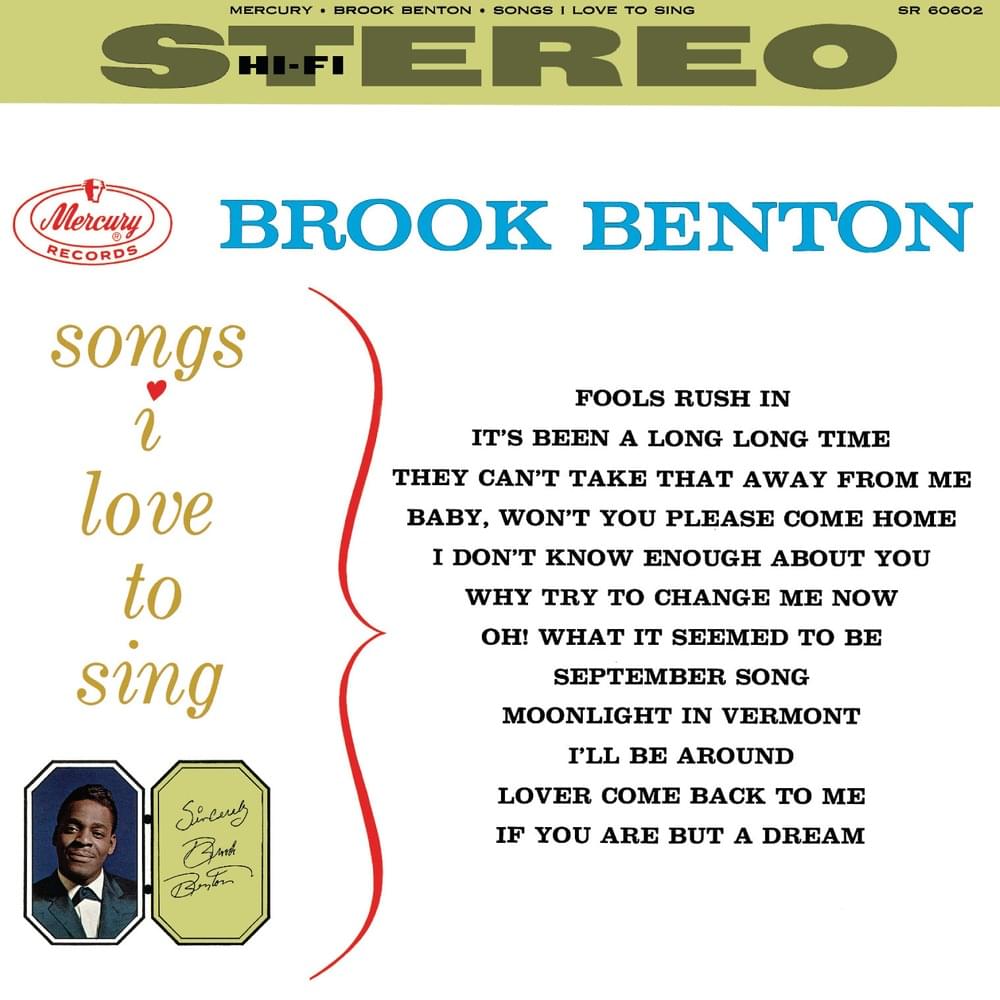
Brook Benton's "It's Been A Long Long Time" isn't just a romantic ballad; it's a stark emotional portrait painted with the raw colors of longing and reunion. The simplicity of the lyrics—"Kiss me once, then kiss me twice, Then kiss me once again"—belies the profound depth of separation etched into the singer's psyche. It speaks to a void so vast that only the physical presence and affection of the beloved can begin to fill it. The repetition of "It's been a long, long time" acts as a haunting refrain, underscoring the agonizing duration of their time apart, a temporal gulf that has seemingly stretched into an eternity. The song meaning here isn't just about missing someone; it's about the psychological impact of absence and the tentative, almost fragile, joy of rediscovery.
The lyrics hint at a past trauma, or at the very least, a significant disruption that forced the lovers apart. Consider the line, "You'll never know how many dreams I've dreamed about you / Or just how empty they all seemed without you." This isn't mere pining; it's an admission of a life lived in the shadow of unfulfilled longing. The dreams themselves have become a source of pain, a constant reminder of what's been lost. The emptiness described suggests a deep-seated loneliness, a feeling of incompleteness that only the return of the loved one can remedy. Brook Benton's delivery, with its inherent vulnerability, amplifies this sense of fragility, making the reunion feel less like a triumphant return and more like a tentative step towards healing.
Ultimately, "It's Been A Long Long Time" resonates because it taps into a universal human experience: the pain of separation and the transformative power of reunion. The song's genius lies in its ability to convey complex emotions with such sparse language. It's a reminder that sometimes, the simplest expressions of love and longing can be the most profound. The lyrics analysis reveals a narrative of resilience, of enduring hope, and of the profound impact that another person can have on our emotional well-being. The song is a testament to the idea that love, once lost and then found, can be a powerful force for healing and renewal.
 View Artist