Song Meaning
Bill Monroe's "The Old Fiddler" isn't just a song; it's a sonic snapshot of a bygone Americana, steeped in community and tradition. The tune paints a vibrant picture of a rural gathering, anchored by the spry old fiddler, a linchpin of social life. He's not merely a musician; he's the orchestrator of joy, the facilitator of connection in a world that predates our isolating screens. The lyrics, though simple, evoke a powerful sense of place and belonging, reminding us of the fundamental human need for shared experiences. It's a celebration of the simple pleasures found in music, dance, and camaraderie.
The song subtly explores themes of aging and legacy. The fiddler, described as "old as the hills," embodies a link to the past. He carries the traditions, literally and figuratively, in his hands and bow. Each note he plays is a testament to the enduring power of folk music and its ability to transcend generations. The repeated imagery of Saturday night gatherings emphasizes the cyclical nature of community rituals, suggesting that these traditions will continue long after the old fiddler is gone. He is a symbol of continuity.
Ultimately, "The Old Fiddler" is a poignant reflection on the essence of community and the timeless appeal of traditional music. It's a reminder that sometimes the simplest things – a fiddle, a dance, a shared laugh – are the most profound. The song’s meaning lies not just in its narrative, but in its ability to transport us to a simpler time, reminding us of the enduring human need for connection and the power of music to foster it.
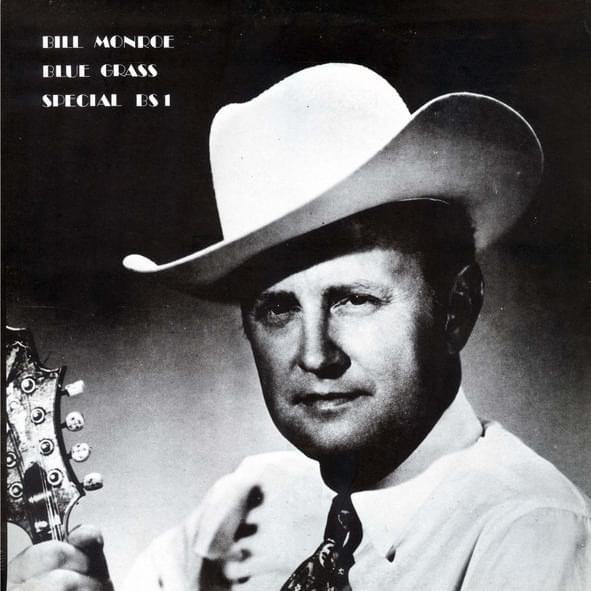
 View Artist