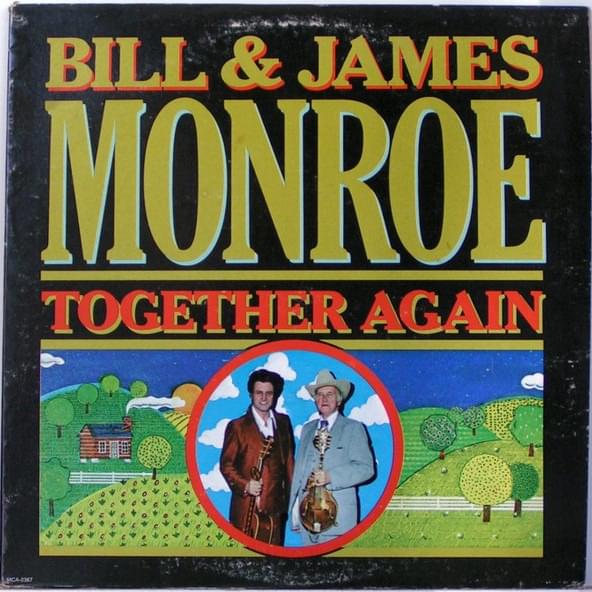
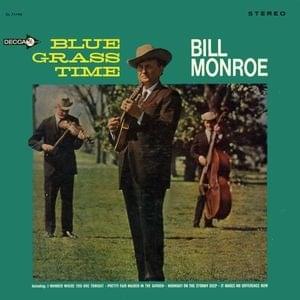
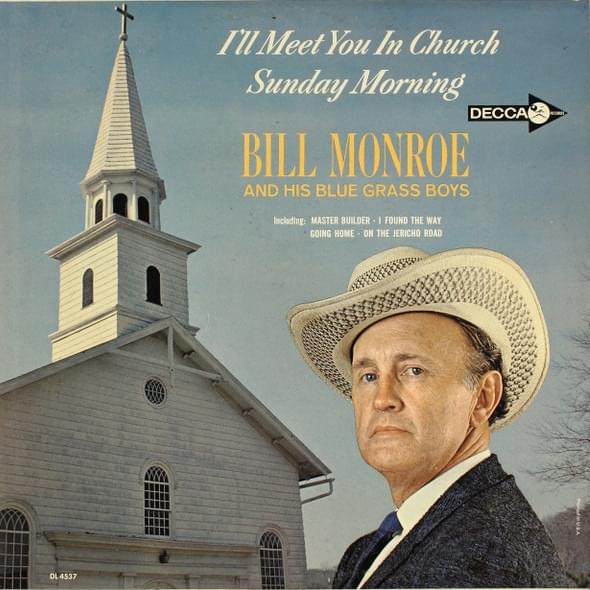
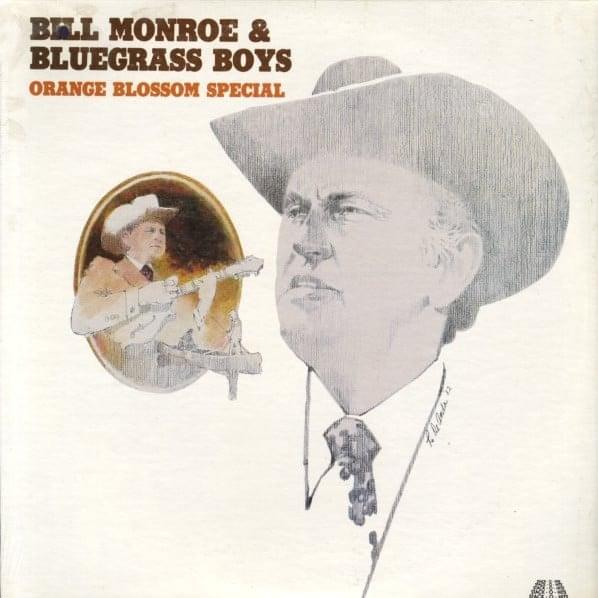
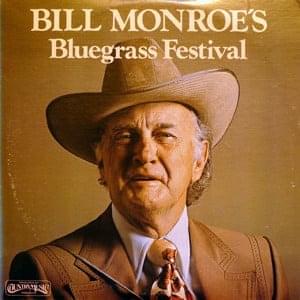
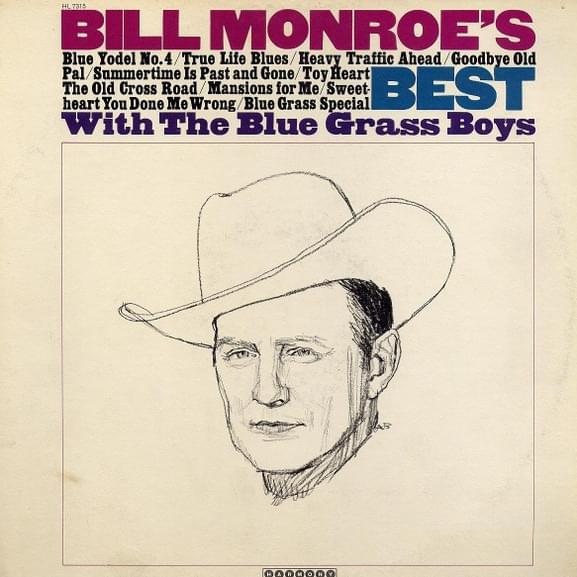
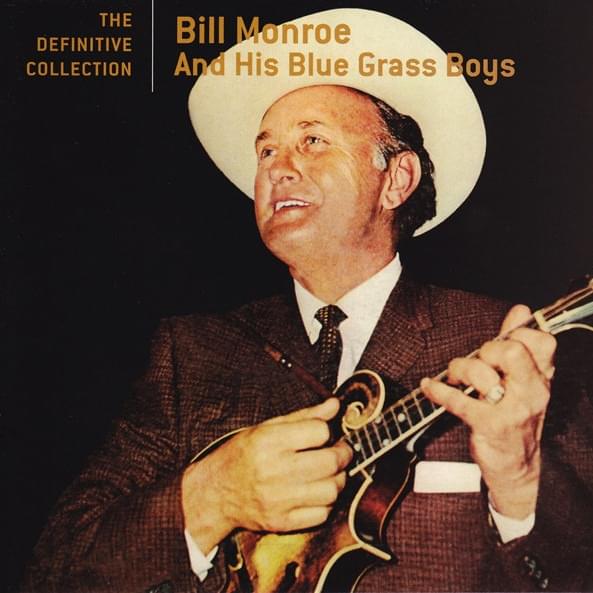
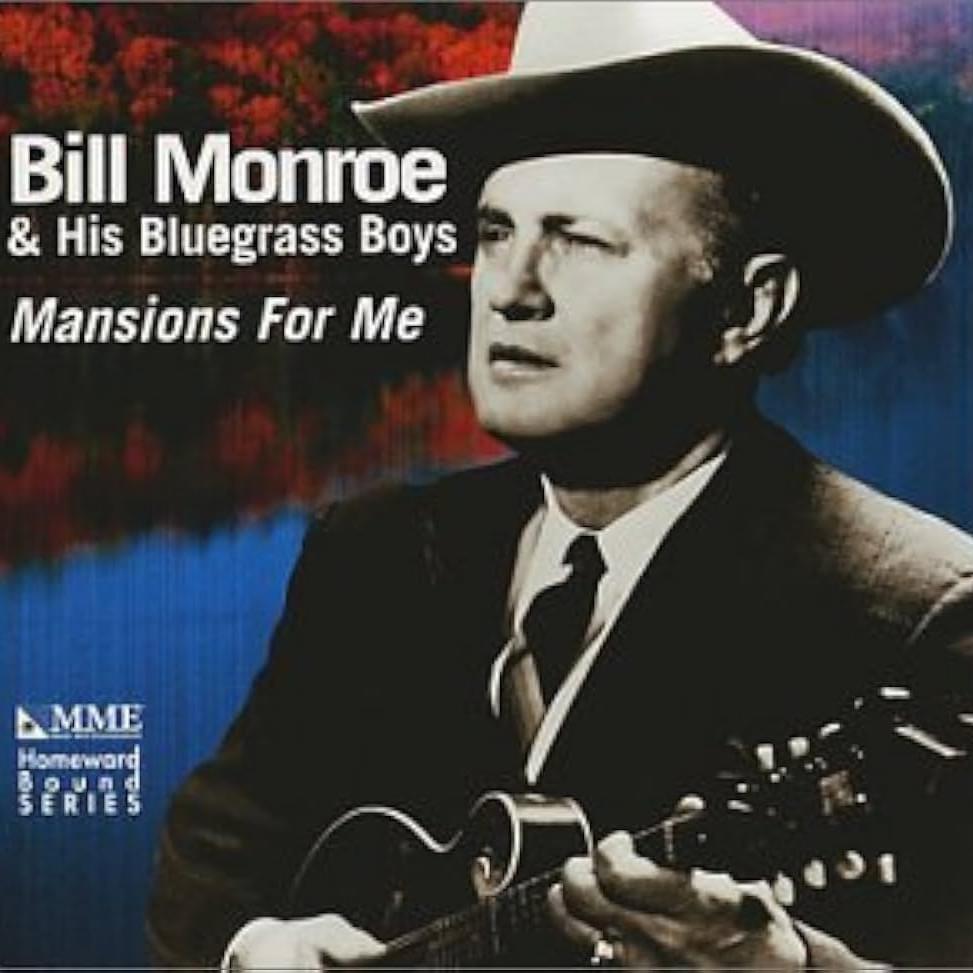
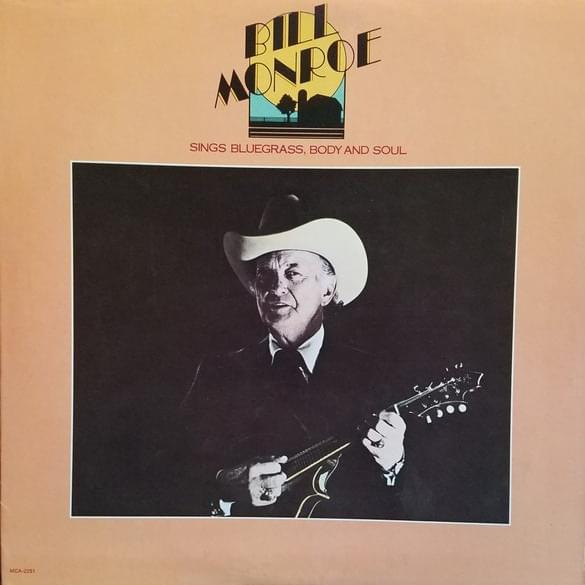
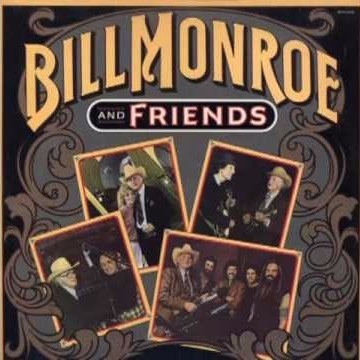
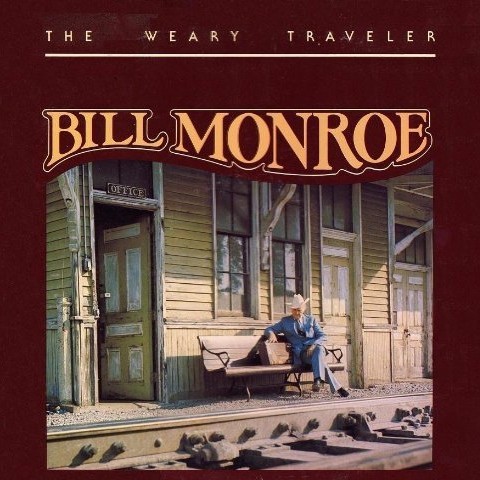
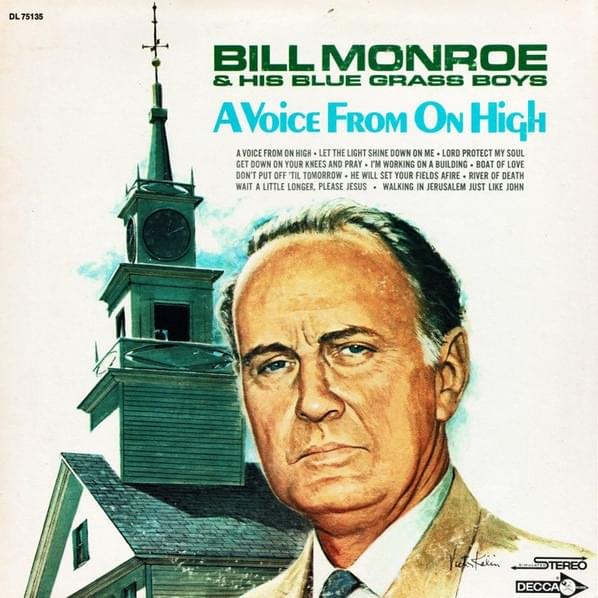
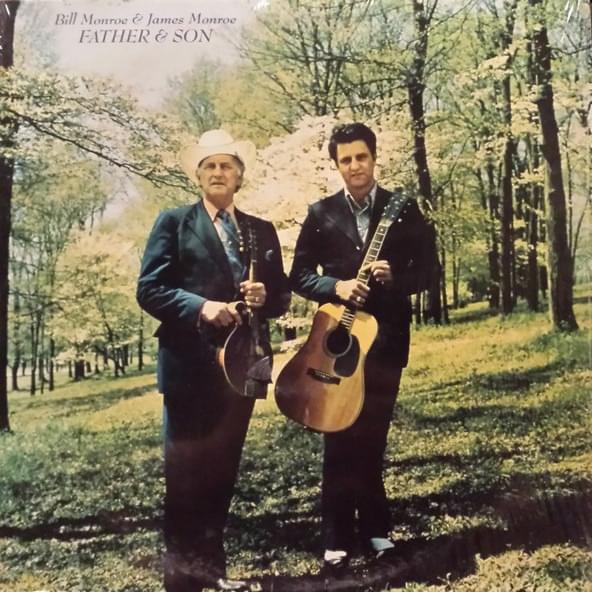
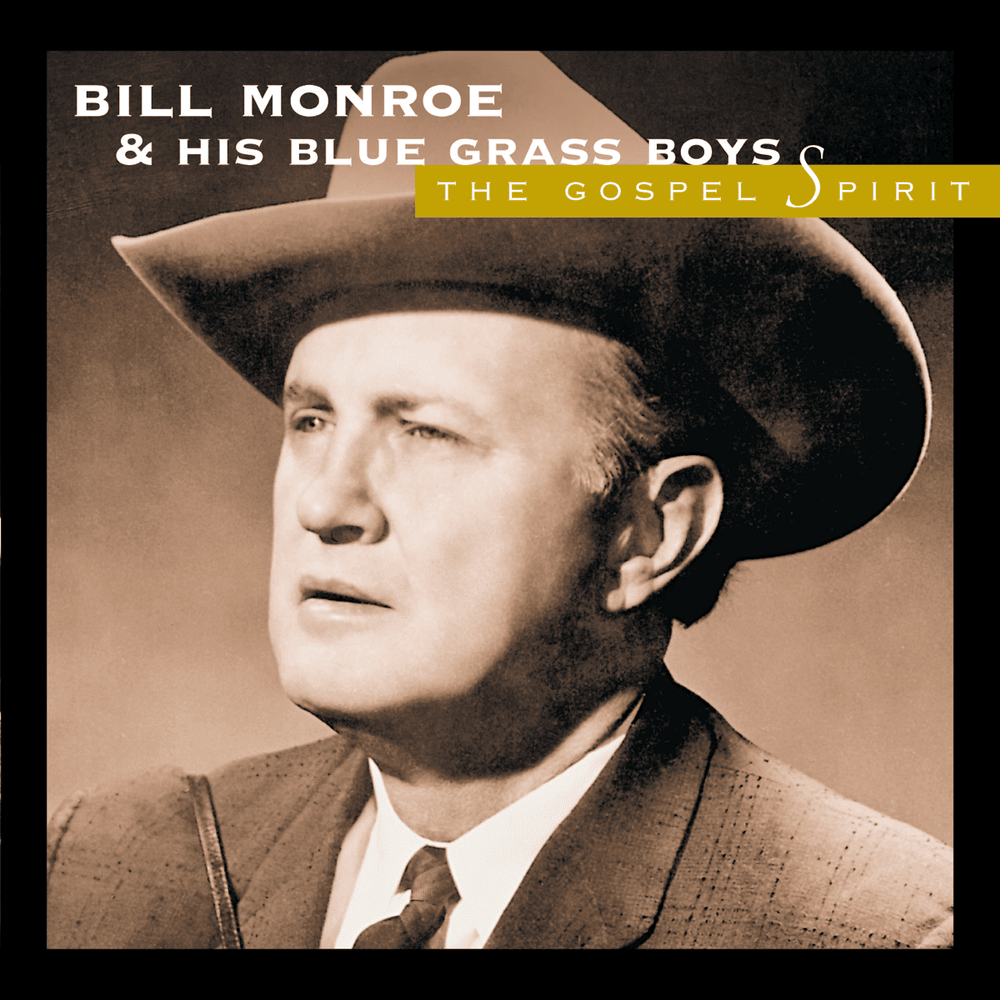
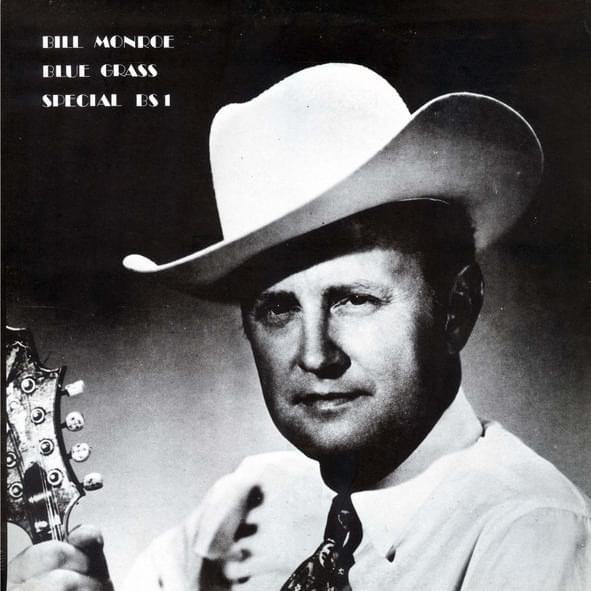
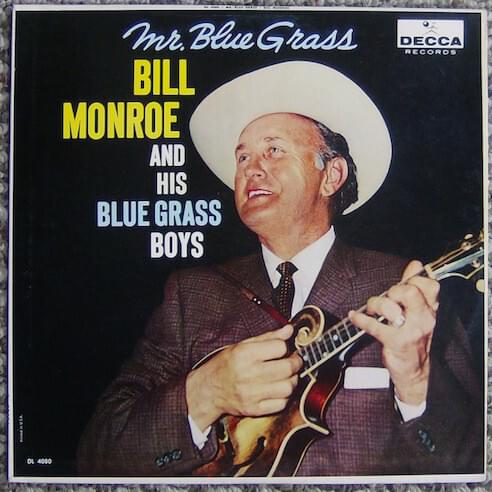
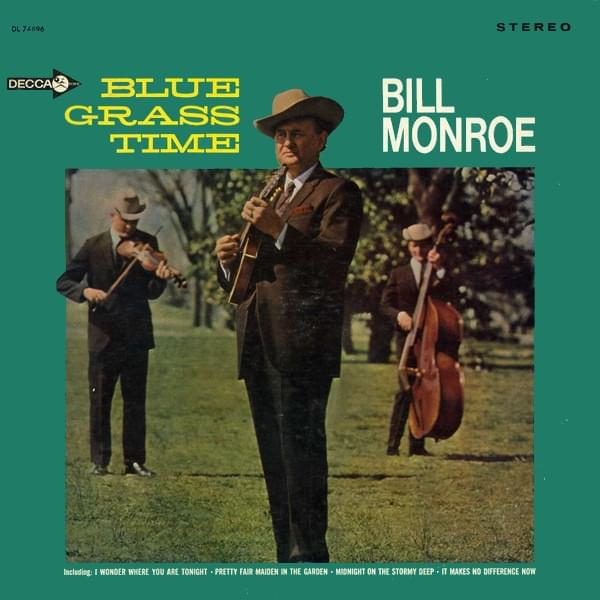
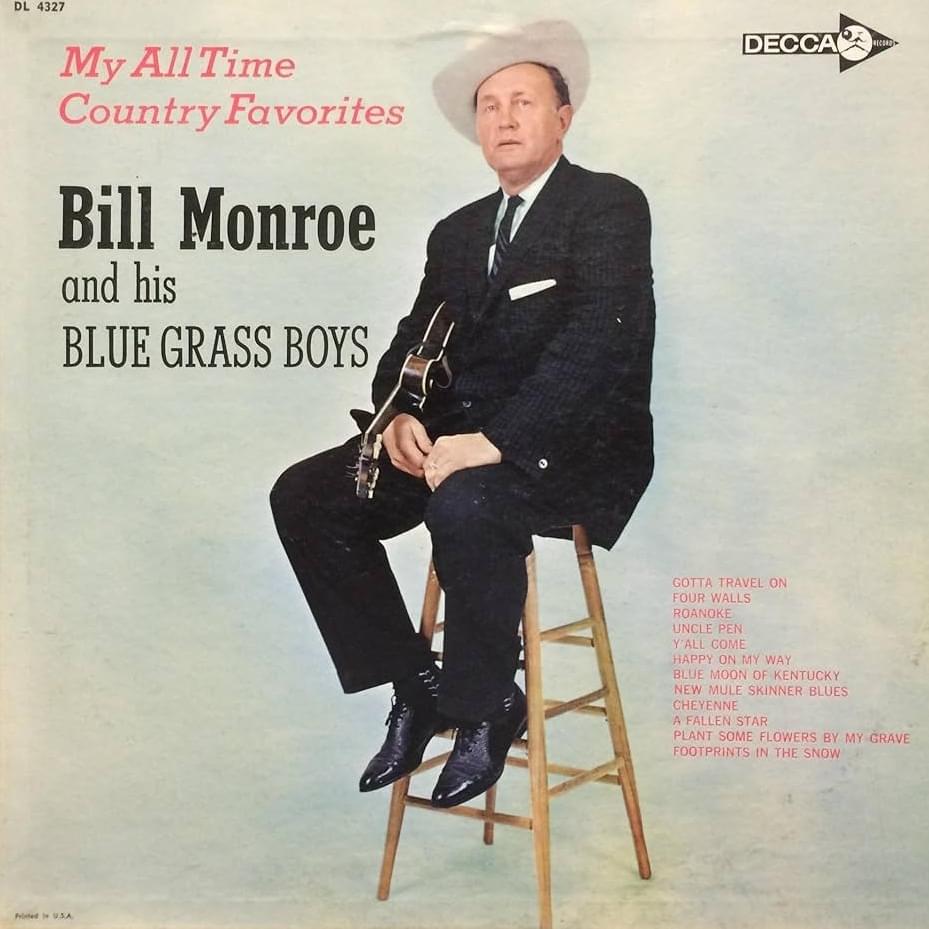
Bill Monroe, born William Smith Monroe in 1911, wasn't just a musician; he was an architect. He single-handedly crafted the genre that would become known as bluegrass, a high-lonesome sound built on the foundations of traditional Appalachian music, blues, and gospel. His innovative mandolin playing, distinctive tenor vocals, and tightly woven ensemble arrangements defined the sound that continues to resonate with audiences today. Monroe's musical journey began in rural Kentucky, steeped in the rich musical traditions of his family. He learned to play mandolin from his uncle Pendleton Vandiver, a renowned fiddler, and honed his vocal harmonies singing alongside his siblings. This early exposure shaped his musical sensibilities and laid the groundwork for his groundbreaking sound.
In the late 1930s, Monroe formed the Monroe Brothers with his brother Charlie, achieving regional popularity with their close harmony singing and brother duet style. However, Bill's musical vision extended beyond the brother duet format. In 1938, he formed his own band, the Blue Grass Boys, which became the proving ground for generations of bluegrass musicians. Through numerous personnel changes, Monroe maintained a consistent standard of excellence, attracting some of the most talented instrumentalists in the genre. The band's name, derived from Monroe's home state of Kentucky, became synonymous with the music itself. His influence is undeniable, and the echoes of his innovative style continue to reverberate in the works of contemporary artists.
Monroe's contribution to American music is immeasurable. Songs like Blue Ridge Mountain Blues showcase his deep connection to his Appalachian roots. He possessed an uncanny ability to translate personal experiences and emotions into powerful and relatable songs. His gospel influences are prominent in his music, and are beautifully illustrated in Drifting Too Far From The Shore. The raw emotion and spiritual depth found in his compositions have touched countless listeners over the decades.
Though his personal life was often marked by hardship and loss, Monroe channeled his experiences into his music, creating a body of work that is both deeply personal and universally resonant. His music explored themes of love, loss, faith, and the struggles of everyday life, capturing the essence of the human condition. Even in songs like How Will I Explain About You, the listener can discern the delicate balance between the joys and sorrows of love. His distinctive mandolin style, characterized by its rapid-fire tremolo and intricate improvisations, became a defining feature of bluegrass music. He pushed the boundaries of the instrument, creating a sound that was both technically demanding and emotionally expressive. Listening to Foggy River provides a glimpse into his mastery of the mandolin, and his ability to evoke the emotions of longing. In 1996, Bill Monroe passed away, leaving behind a legacy that continues to inspire and influence musicians around the world. His music remains a testament to the power of tradition, innovation, and the enduring spirit of American music. It is through songs like Columbus Stockade Blues that future generations will continue to appreciate the genius of Bill Monroe.