Song Meaning
{"song_id": 11045864, "meaning": "Bill Monroe's \"Blue Ridge Mountain Blues\" isn't just a bluegrass standard; it's a primal scream of homesickness echoing across the decades. The song's genius lies in its deceptively simple structure, a three-verse lament that unpacks the psychological weight of leaving one's roots. It's a specific ache, the \"blue ridge mountain blues,\" but one that resonates universally: the bittersweet pang of nostalgia mixed with the regret of distance. Monroe paints a portrait of a man adrift, haunted by the idyllic memories of his Carolina home and family. The lyrics betray a deep longing for simpler times, for the unconditional love and security represented by his parents and the familiar landscape.
The pull of \"Blue Ridge Mountain Blues\" operates on multiple levels. There's the obvious desire for physical return – the \"grip is packed,\" the yearning to \"scratch gravel\" on the road home. But beneath the surface, the song hints at a deeper psychological need. The protagonist seeks not just a place, but a state of being: a return to innocence, a release from the burdens of adulthood. The lines about staying by his \"ma,\" doing right by his \"pa,\" and escaping \"work on worry\" speak volumes about the pressures he faces away from home. The mountains themselves become a symbol of refuge, a sanctuary from the anxieties of the outside world.
The final verse of \"Blue Ridge Mountain Blues\" delivers the most poignant emotional blow. The image of his parents in the window, their \"snowly white\" heads bowed in worry, transforms the song from a personal lament into a universal story of familial love and sacrifice. Their imagined question, \"Where is my wondering boy tonight?\" cuts to the heart of the matter, exposing the guilt and regret that fuel the protagonist's blues. It’s a powerful reminder that leaving home often means leaving a piece of yourself behind, and that the call of the mountains can be as much a burden as it is a comfort. The song meaning is a testament to Monroe's ability to tap into the fundamental human emotions of longing, regret, and the enduring power of family ties."}
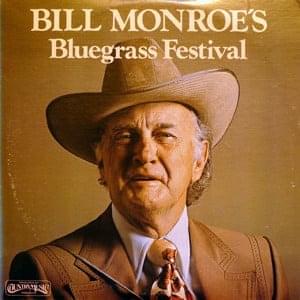
 View Artist