Song Meaning
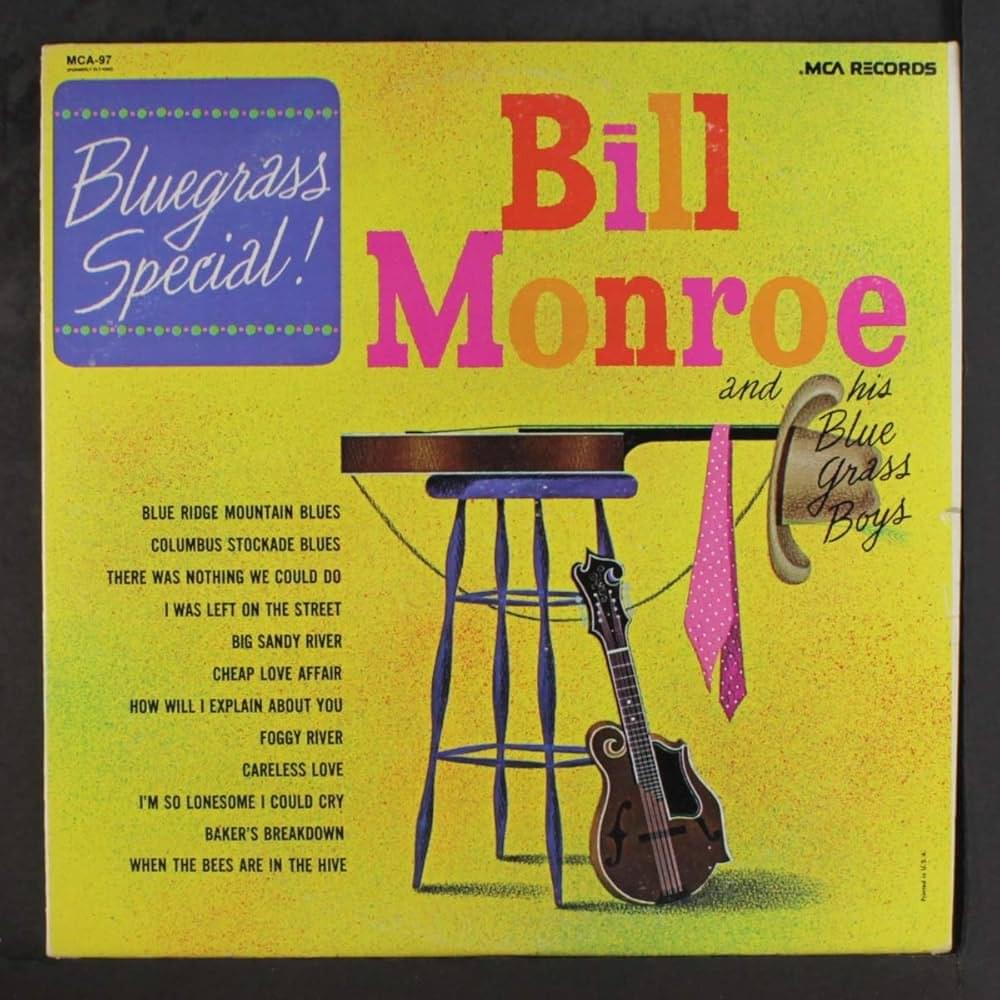
{"song_id": 11045862, "meaning": "Bill Monroe's \"Columbus Stockade Blues\" isn't just a lament; it's a masterclass in country-blues stoicism. The song's power lies in its unflinching portrayal of loss, betrayal, and imprisonment—both literal and emotional. The opening lines immediately plunge us into the depths of despair: stranded in a Georgia jail, abandoned by friends, the narrator's longing for Tennessee becomes a metaphor for a lost home, a lost life. It's a stark image of alienation, amplified by the geographical distance from comfort and familiarity. The psychological weight of this isolation hangs heavy over the entire track. The 'Columbus Stockade' acts as a physical manifestation of his inner turmoil, a prison built not of brick and mortar, but of broken trust and regret. Monroe doesn’t wallow; he accepts. There is a quiet dignity in the narrator's willingness to let go of a lover who no longer reciprocates his feelings.
The lyrics reveal a man grappling with the sting of romantic disillusionment, a pain so profound it bleeds into his dreams. The lines about dreaming of holding his lover, only to awaken to the cold reality of prison bars, are particularly poignant. It underscores the crushing gap between desire and reality. This contrast highlights the psychological prison he now inhabits, far more confining than the physical one. There’s a subtle but cutting acknowledgment of the ephemeral nature of love: “Thought I had your heart forever, Now I find it's only lent.” This line encapsulates the song's central theme – the painful realization that nothing is permanent, especially matters of the heart.
Ultimately, \"Columbus Stockade Blues\" is a study in resilience. It's a portrait of a man stripped bare, yet refusing to succumb to bitterness. The blues, in this context, become a vehicle for emotional survival, a way to process grief and find a measure of peace amidst profound loss. It's Monroe's genius to convey such complex emotions with such understated grace, making the song a timeless exploration of the human condition."}
 View Artist