Song Meaning
{"song_id": 16305785, "meaning": "Bill Monroe's \"Bluegrass Ramble\" is less a ramble and more a stark, emotionally raw excavation of romantic loss. The song meaning, distilled, is the agony of a love fractured by perceived infidelity and a vanishing point of hope. The narrator grapples with a letter, a physical manifestation of his lover's departure, rendered even more painful by the lack of a return address. This isn't just about geographical distance; it's about an unbridgeable chasm that has opened between them. The letter's contents are a double-edged sword: a declaration of love intertwined with accusations of untruthfulness, a paradox that fuels the narrator's distress. He's trapped in a loop, desperately seeking to prove his devotion while simultaneously accepting the inevitable dissolution of their bond. The power of the lyrics lies in their directness. There's no poetic obfuscation, no grand metaphor, only the blunt force trauma of a heart breaking in real-time.
The recurring plea, \"I've tried, I've tried my little darling, To prove my love was just for you,\" underscores the narrator's desperation and perhaps a deeper insecurity. Is he protesting too much? Does he truly believe he's been faithful, or is he wrestling with his own conscience? The ambiguity adds a layer of complexity to the song. The line \"She wrote the words she knew would hurt me\" suggests a deliberate cruelty, a desire to inflict pain as a parting shot. This paints a picture of a relationship riddled with unspoken resentments and communication breakdowns. It's not just about the act of leaving, but the calculated manner in which it's executed.
Ultimately, \"Bluegrass Ramble\" is a testament to the enduring power of heartbreak. The final verse, with its bittersweet acceptance of a fading love, is particularly poignant. Even in separation, there's a lingering connection, a shared history that can't be completely erased. The question, \"Precious one why did we have to part,\" hangs in the air, unanswered and unanswerable. It's a universal lament, a recognition that some loves, no matter how deeply felt, are simply not meant to last. The song captures the specific ache of bluegrass melancholy, transforming personal sorrow into a shared human experience."}
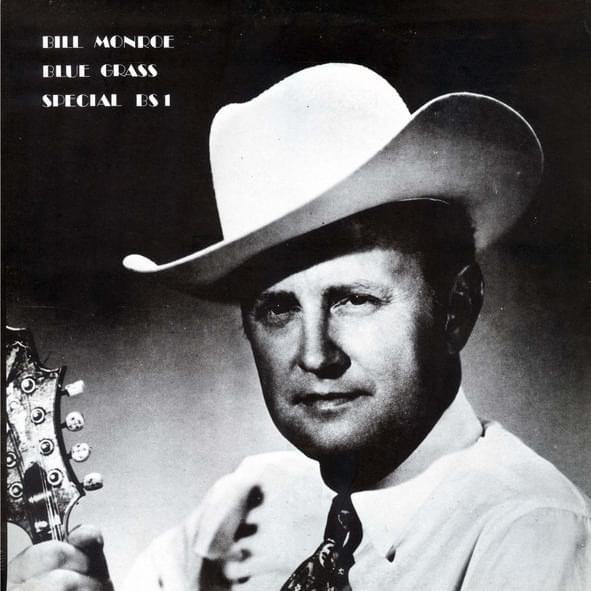
 View Artist