Song Meaning
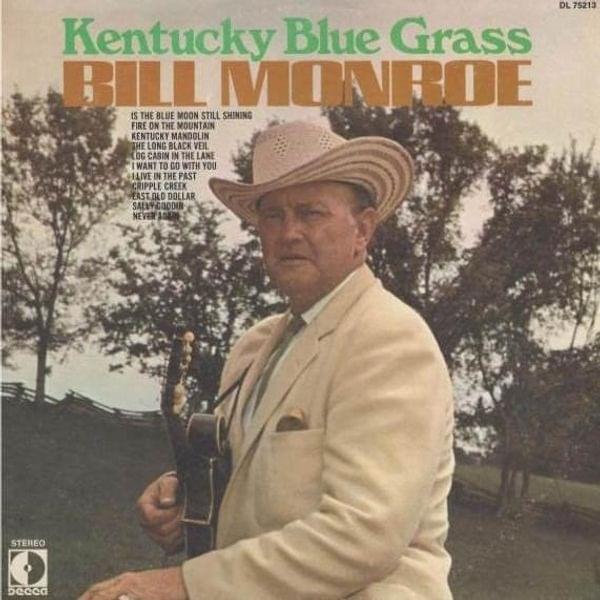
Bill Monroe's "Is The Blue Moon Still Shining" isn't just a bluegrass lament; it's a masterclass in melancholic yearning, filtered through the lens of cosmic loneliness. The blue moon, a rare and almost mythical event, becomes a potent symbol for a love that feels equally distant and improbable. The singer isn't simply asking about the moon's visibility; he's probing the very fabric of shared experience. Does this celestial beacon, this emblem of unique connection, still hold the same significance for his absent lover? It's a question steeped in the anxiety of whether shared memories retain their power when physical presence fades. This song meaning hinges on the double-edged sword of nostalgia, where the beauty of the past is constantly threatened by the pain of the present.
The recurring question, "Do we think of each other when the moon is blue?" betrays a deep-seated insecurity. It's a plea disguised as inquiry, a desperate attempt to ascertain whether he still occupies a space in his former partner’s consciousness. The need for reciprocation is palpable, underscored by the repeated questioning of her needs and desires: "Do you need me as I need you?" The lyrics analysis reveals a man grappling with the psychological torment of uncertainty. The verses paint a picture of isolation intensified by the moon's ethereal glow, a constant reminder of what was and what may never be again. The brilliance of Monroe's writing lies in its ability to capture the universal experience of heartbreak, amplified by the vastness of the cosmos.
Beneath the surface of the straightforward melody lies a complex emotional landscape. The query “Are you too proud to come back? Or did you really want to be free?” exposes the internal conflict at the heart of the song. The singer is torn between blaming external factors (pride) and accepting the painful truth of rejection (a desire for freedom). This tension is what elevates "Is The Blue Moon Still Shining" beyond a simple breakup song; it's an exploration of the agonizing limbo between hope and acceptance, set against the backdrop of an indifferent universe. The blue moon, in this context, becomes a symbol of both the fleeting nature of love and the enduring power of memory, a duality that resonates long after the final note fades.
 View Artist