Song Meaning
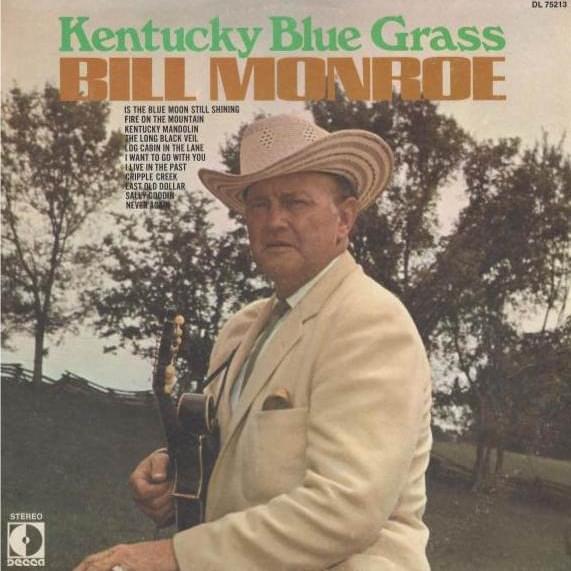
{"song_id": 11045898, "meaning": "Bill Monroe's \"I Want To Go With You\" isn't just a bluegrass lament; it's a raw study in separation anxiety, dipped in the honeyed tones of old-time longing. The song meaning distills to a primal plea: don't leave me. The singer isn't just sad; he's existentially adrift at the mere thought of parting. It's a vulnerability rarely put so plainly, especially within a genre often associated with stoicism. The opening lines, \"I'm begging to you and I want to go with you / You're breaking my heart as you say goodbye,” immediately establish a dynamic of desperation. He's not negotiating; he's imploring. This isn't a mature farewell; it's a child's cry for connection. Insecurity bleeds through every line. Monroe understood the ache of being left behind.
The lyrics layer in seasonal metaphors to amplify the feeling of impending loss. The falling leaves, the distant hills turning blue, the dying flowers – these aren't just pretty images; they're psychological triggers. They represent the decay of connection, the fading of warmth, and the fear that love itself will wither. The singer isn't just mourning a temporary absence; he's confronting the possibility of permanent abandonment. The lines, \"Soon the flowers will die, don't let love die with them / And with you gone dear, what will I do,\" reveal a deep-seated fear that his very sense of self is tied to the presence of his beloved. It's an articulation of codependency, perhaps unintentional, but undeniably present.
Yet, amidst the despair, there's a flicker of hope. The singer clings to memories of “sweet ruby lips and hair like an angel,” finding solace in the past. And he dares to envision a future where \"hearts are entwined, they're blessed with the future.\" This juxtaposition of anguish and anticipation is what makes \"I Want To Go With You\" so compelling. It's not a simple love song; it's a portrait of the human psyche grappling with vulnerability, fear, and the enduring power of hope against the backdrop of inevitable change. It’s the kind of emotional complexity that elevates Monroe's bluegrass beyond mere genre convention, turning it into something profoundly human."}
 View Artist