Song Meaning
A tiny bird announces to the world, "You come, you go!" This simple, repetitive phrase sets a tone of constant, almost indifferent motion. The surrounding imagery of hazel branches dancing along suggests nature's own participation in this cycle of arrival and departure, mirroring the bird's observation. It’s a scene painted with a light, almost whimsical brush, yet the core message hints at something deeper.
The lyrics pose a question about the bird's emotional state: "Does the bird cry, does the bird laugh?" This ambiguity is key. The repetition of "You come, you go!" could be a lament or a simple statement of fact, leaving the listener to ponder the underlying feeling. The lack of peace for a certain soul ("Nav miera kādai dvēselei") directly follows this, suggesting that this ceaseless coming and going is the source of inner turmoil.
The true craft here lies in the stark contrast between the seemingly innocent messenger – a small bird – and the profound existential observation it delivers. The simple, almost childlike refrain, "Tu nāc, tu ej!" (You come, you go!), repeated with each natural element, becomes a mantra for an unsettled spirit. The hazel branches swaying "along" ("līdzi dej") aren't just passive observers; they are depicted as actively moving with the rhythm of these comings and goings, emphasizing the pervasive nature of this cycle.
This lyrical structure effectively captures a feeling of restless inevitability. The constant repetition of the central phrase, coupled with the natural imagery, creates a hypnotic effect. It’s this blend of simple observation and underlying emotional unrest, delivered through the voice of a seemingly detached natural element, that makes the lyrics resonate. The listener is left contemplating the transient nature of presence and the quiet anxieties that accompany it.
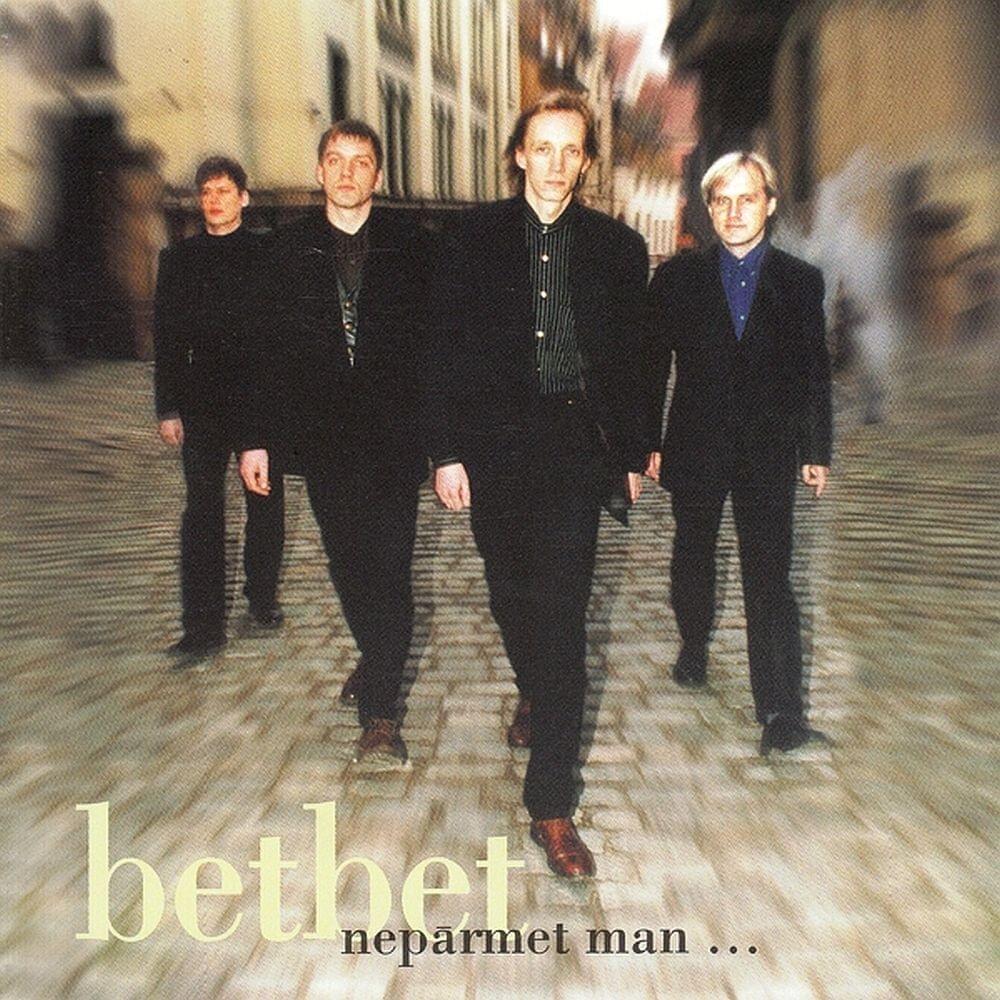
 View Artist