Song Meaning
The lyrics paint a picture of someone being questioned by different people in their life – a daughter, a mother, a lover, and friends – about their choices and existence. These questions, like "Why don't you fly higher?" and "Why don't you want more?", seem to push for ambition or a different path. The narrator's response, however, consistently circles back to a profound appreciation for the simple, present moment and the world around them. The recurring phrase "Viss ir daudz vienkāršāk, mīļie" (Everything is much simpler, dears) acts as a gentle but firm counterpoint to the external pressures and existential queries. It suggests a deliberate choice to find contentment not in striving for more, but in loving what is already present: the life, the land, the freedom, the sun, and the home.
The central tension arises from the contrast between the probing questions and the narrator's serene, almost defiant, contentment. The daughter's question about flying higher is met with the image of a blue scarf and a floral dress drifting away, while the mother's question about wanting more is answered by a dropped roadside scarf and a rolling cheese plate. These falling or rolling objects, coupled with the later image of golden curls shimmering in the sunset, suggest a letting go or a passive acceptance of beauty and transience, rather than active pursuit. The final questions from friends about existence and the shattering of "God-given dishes" into white flour hint at deeper, perhaps more complex, existential doubts that the narrator ultimately sidesteps with their core message.
The most striking aspect of the craft is the repetition and the specific, yet evocative, imagery. The structure of posing a question and then offering a lyrical response creates a dialogue, albeit one where the narrator's voice is the constant, grounding element. The repeated declarations of love for "this life," "this land," "this freedom," "this sun," and "these homes" build a powerful affirmation of simple joys. The imagery of falling or drifting items – the scarf, the dress, the plate, the curls – subtly underscores the narrator's philosophy of acceptance and finding beauty in the natural flow of things, rather than in forceful ambition. The shattering dishes, however, introduce a darker, more fragile element, suggesting that even this simple contentment might be vulnerable.
Ultimately, these lyrics resonate because they articulate a powerful counter-narrative to constant societal pressure for achievement and growth. The narrator's unwavering focus on appreciating the present, expressed through direct declarations and gentle imagery, offers a compelling argument for finding peace in simplicity. It’s not about rejecting ambition outright, but about recognizing that profound happiness can be found in loving what is already here, a perspective that feels both deeply personal and universally sought after. The repeated, almost mantra-like, affirmations create a sense of calm and conviction that is infectious.
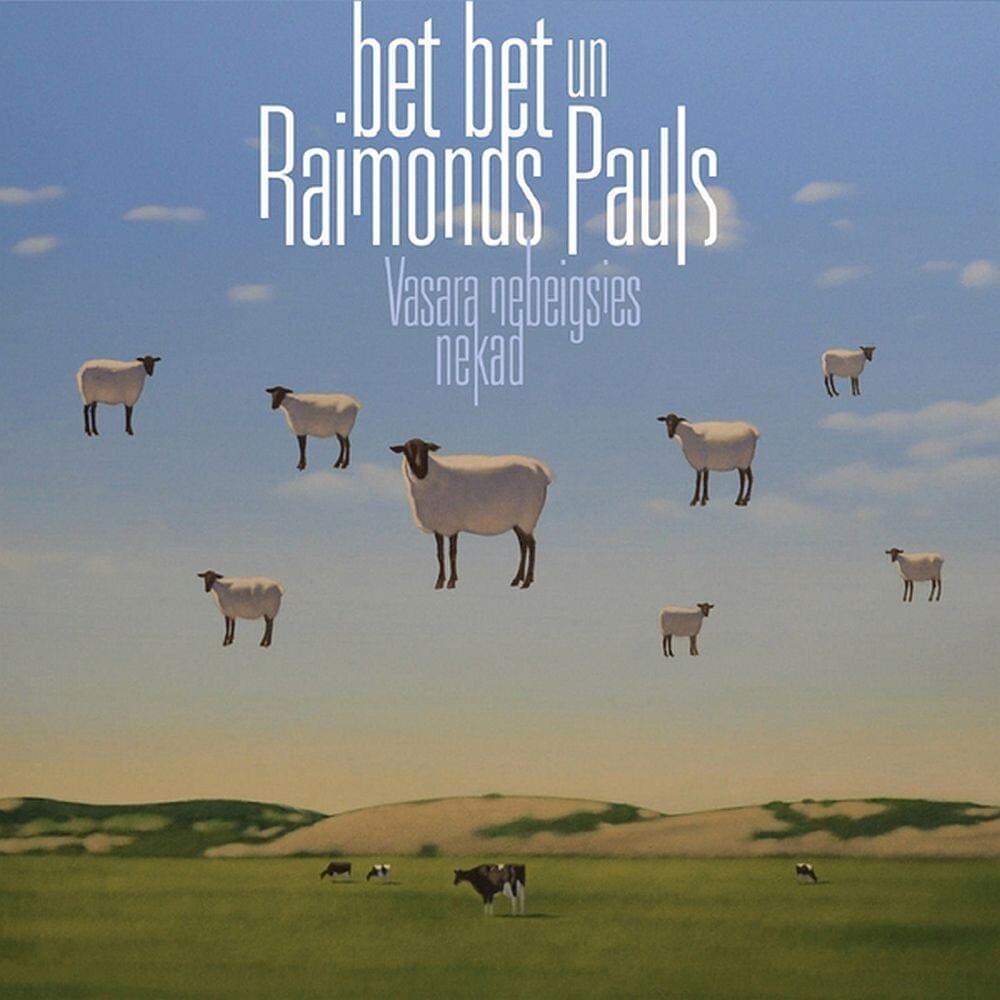
 View Artist