Song Meaning
The lyrics paint a vivid picture of an eternal summer, a state of perpetual warmth and blooming life. This idealized season is directly tied to the endurance of love and positive human connection. The opening lines immediately establish this connection: "Vasara nebeigsies nekad" (Summer will never end) is linked to "Kamēr vien mīla būs dzīva" (As long as love is alive) and the image of "Ābeles mūžīgi ziedēs" (Apple trees will forever bloom). It's a world where natural beauty mirrors the state of the heart, suggesting that as long as love persists, so too will this perfect, vibrant existence.
The core tension lies in the conditional nature of this eternal summer. While the refrain insists on its endlessness, the verses reveal the specific human actions and emotions that sustain it. The lyrics propose that forgiveness is as crucial as love itself: "Kamēr mēs pratīsim piedot" (As long as we know how to forgive) ensures that "Nevītīs rozes uz galda" (Roses on the table won't wilt). Similarly, the narrator's unwavering love is the catalyst for the world blooming before their eyes, "Pasaule ziedēs man acīs" (The world will bloom in my eyes). This suggests that the perceived eternity of joy is not passive but actively maintained through conscious acts of kindness and devotion.
A striking element is the expansion of this concept beyond the typical summer months. The lyrics boldly state, "Saulrieti nebeigsies nekad / Arī ne janvāra salā" (Sunsets will never end / Not even in January's frost). This elevates the theme from a seasonal metaphor to a profound declaration about the resilience of hope and love. The imagery of hearts burning, "Kamēr vien degs mūsu sirdis" (As long as our hearts burn), and journeys not yet concluded, "Kamēr vēl ceļi nav galā" (As long as the roads aren't over), reinforces the idea that this enduring warmth is a spiritual or emotional state, capable of transcending physical limitations and harsh realities.
Ultimately, the effectiveness of these lyrics stems from their simple, yet powerful, equation of love and forgiveness with an unending, beautiful existence. The repetition of the central phrase, "Vasara nebeigsies nekad," acts as a mantra, reinforcing the belief that these vital human connections are the bedrock of a world that can feel perpetually in bloom. The song doesn't just describe happiness; it posits that happiness is an active creation, sustained by our capacity for love and our willingness to forgive, making the external world a reflection of our internal state.
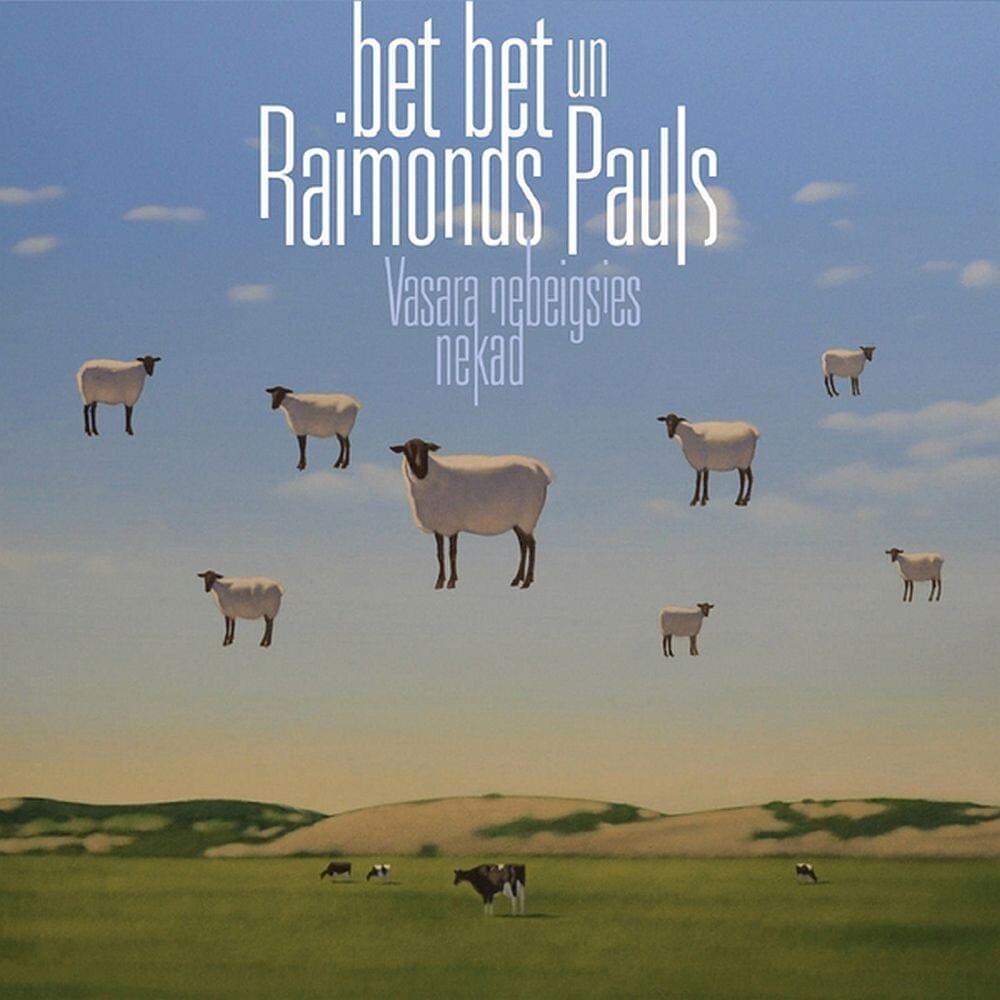
 View Artist