Song Meaning
The lyrics paint a picture of an unattainable ideal, a distant presence referred to as "Tālā." This "Tālā" is described as unreachable, unapproachable, and unsought, existing in a silver, moonlit luminescence. The imagery of a "half-moon lantern" and "silver lantern" establishes a cool, ethereal, and somewhat melancholic atmosphere, suggesting something beautiful but distant and perhaps cold.
The central tension arises from the narrator's relationship with this distant entity. While "Tālā" is described as "unforeseen" and "unapproachable," the narrator finds themselves "in my servitude, of distance." This creates a paradox: the narrator is bound to something they cannot reach, a distance that has become a form of enslavement. The lakes and skies flying away further emphasize the sense of loss and the elusiveness of "Tālā."
The lyrics introduce a stark contrast between distance and closeness. The phrase "Further is closeness, but closeness is deadly for us" is a pivotal realization. This suggests that any attempt to bridge the gap, to achieve proximity to "Tālā," would be fatal. The image of a "scythe opening" reinforces this danger, linking closeness to an inevitable, perhaps violent, end.
Ultimately, the narrator chooses to remain in this state of distant servitude, accepting that "we will stay alive and live / Only in the distance." This acceptance of perpetual separation, rather than the pursuit of a dangerous closeness, is the core of the song's emotional weight. The repetition of "Tālā" and the various negative descriptors ("unreachable," "unapproachable," "unforeseen," "unsought") hammer home the enduring, almost sacred, nature of this unattainable ideal.
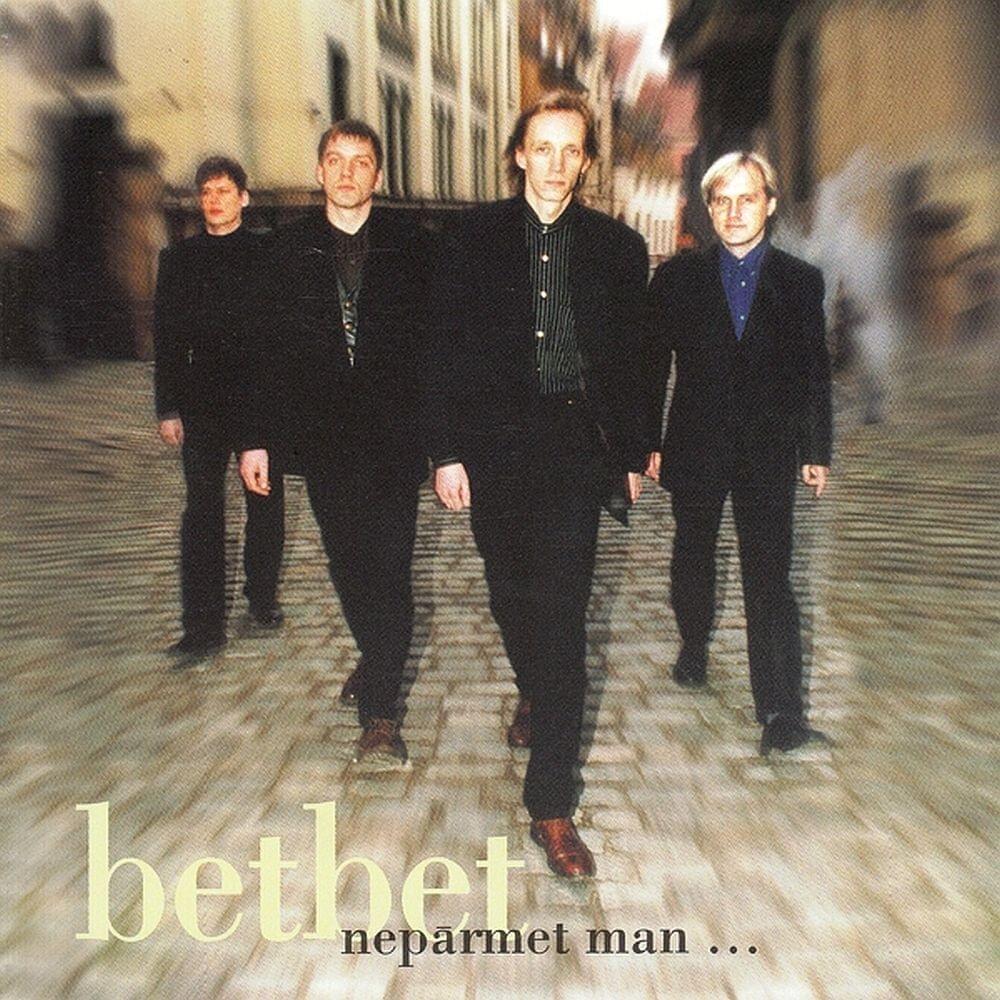
 View Artist