Song Meaning
The lyrics paint a stark picture of silence and isolation, opening with the literal absence of sound: "Nav nekā, tikai bildes bez skaņas." This isn't just a lack of audio; it's a void where even laughter is absent, replaced by "spocīgas ēnas" – spectral shadows – and a cashier who "guļ," suggesting a profound stillness or even death. The scene feels abandoned, a theater or a place of gathering rendered desolate.
The dominant feeling is one of profound detachment and emptiness, likening the situation to being "uz vientuļas salas" – on a lonely island. Everything is distant, alien, and uninhabited. The morning itself is silent, "kā mēmajā kino" – like a silent film, "Vēl neieskaņots" – still unsynchronized, waiting for sound or meaning that never arrives. This echoes the pervasive quietude that blankets the entire experience.
The core of the emotional weight lies in the repeated comparisons to silent film: "Bez vārdiem mēs kā mēmajā kino." This silence is further amplified by images of helplessness and incompleteness – "putni bez spārniem" (birds without wings) and "koki bez lapām" (trees without leaves). Time itself "rit laiks kā mēmajā kino," emphasizing a passive, unvoiced progression of existence, devoid of vibrant expression or connection.
This deliberate absence of sound and voice creates a powerful sense of stagnation and loss. The imagery of the empty venue, the "veco klavieru vraks" (wreckage of old pianos), and the recurring spectral shadows all contribute to a haunting atmosphere. The lyrics effectively use the metaphor of silent film not just to describe quiet, but to convey a state of being unheard, unseen, and fundamentally disconnected from the world's narrative.
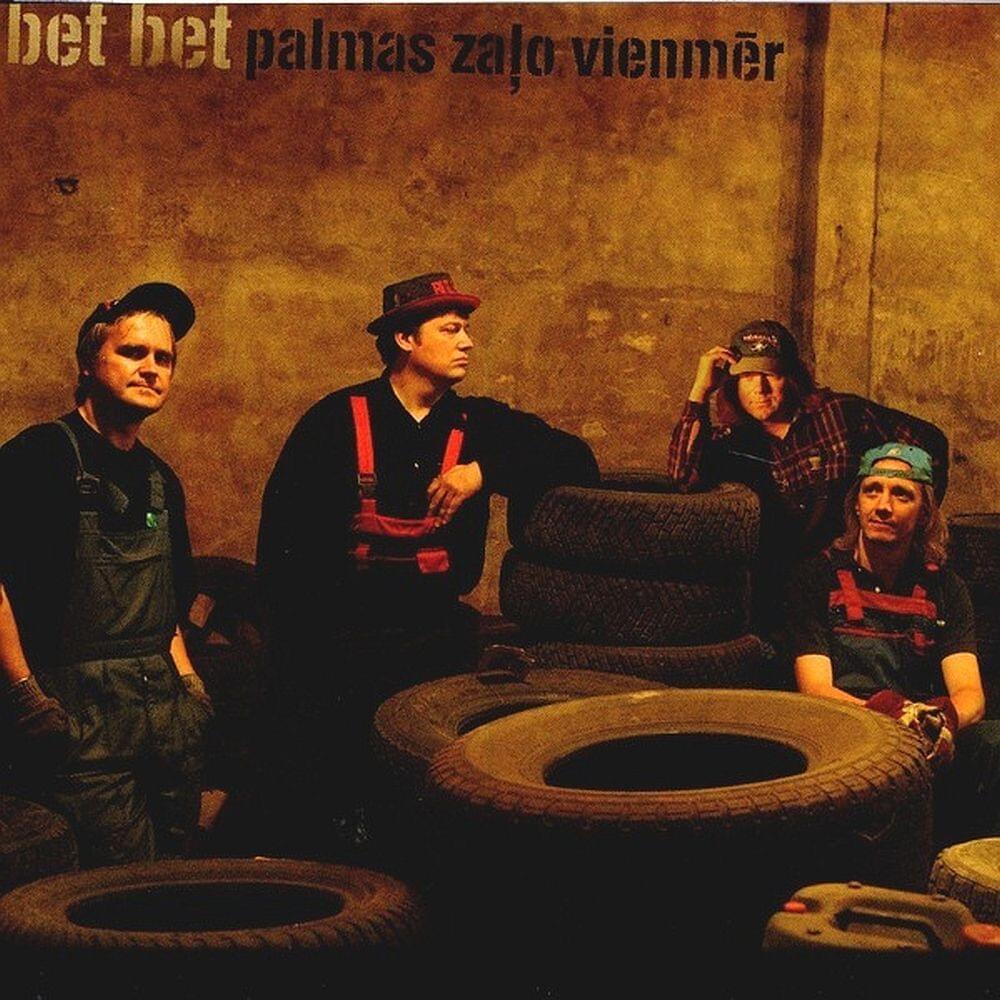
 View Artist