Song Meaning
The lyrics paint a picture of a quiet, almost sacred space in Santiago where a figure called "Cachilo dormido" rests. The instruction to "walk without making noise" immediately establishes a tone of reverence and caution, suggesting that Cachilo's slumber is significant, perhaps even fragile. This sleeping figure is depicted with a "ponchito de almohada" (poncho for a pillow), a humble yet evocative image that grounds the scene in a rural, perhaps Andean, setting. The narrator wonders if Cachilo is dreaming of "el alma de la vidala," hinting at a search for the soul or essence of a traditional folk music form.
The central tension seems to lie between this state of quiet repose and the anticipation of a vibrant, transformative event: "carnavales." The lyrics suggest that as carnival approaches, Cachilo's connection to the "vidala" will shift, becoming "chacarera." This transformation implies a cyclical nature, where rest leads to renewed energy and a different form of expression, tied to the festive spirit of carnival. The repetition of this transformation, along with the humming "Soco," underscores the inevitability and importance of this change.
The most striking craft element is the personification of "Cachilo dormido" and the implied connection to musical forms. The lyrics don't just describe a sleeping person; they imbue this sleep with a quest for musical soul and predict its metamorphosis into a more lively dance rhythm. The contrast between the hushed reverence for the sleeping Cachilo and the impending boisterousness of carnival creates a compelling dynamic. The mention of "quichuistas" in heaven singing "chacareras" further links the earthly scene to a celestial, enduring tradition, suggesting that Cachilo's rest is part of a larger, ongoing cultural cycle.
This writing is effective because it uses gentle, specific imagery to evoke a deep sense of place and cultural continuity. The quietude of the sleeping figure and the anticipation of the "carnavales" create a palpable emotional arc. The lyrics suggest that even in rest, there is a profound connection to tradition and an inherent promise of vibrant expression. The transformation from "vidala" to "chacarera" feels less like a loss and more like a natural, joyful evolution, making the scene resonate with a quiet, hopeful energy.
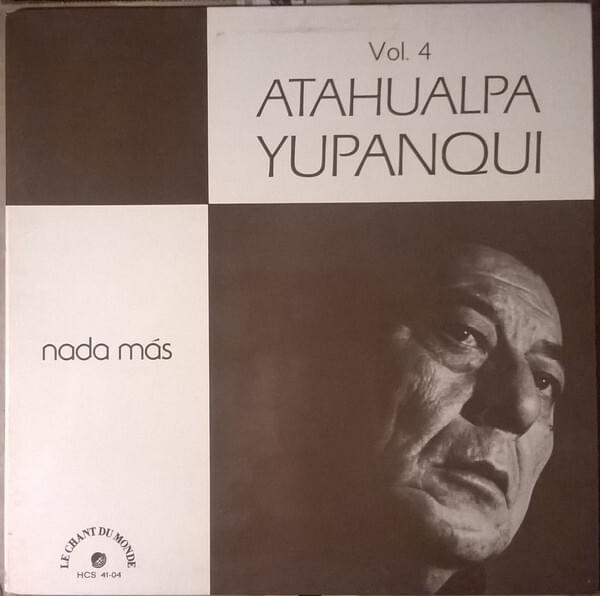
 View Artist