Song Meaning
The lyrics paint a poignant picture of Juan, a farmer contemplating the unfairness of his labor. He questions why the land belongs to those who don't cultivate it, a stark contrast to his own toil. This sets up a central tension between effort and ownership, between the physical act of sowing and the abstract concept of possession.
The narrative takes a surreal turn when the tree speaks to Juan, revealing a shared identity: "¡Yo también me llamo Juan!" This anthropomorphism imbues the tree with Juan's own feelings of being cut down or exploited. The tree's lament about its lost nest and inability to fly mirrors Juan's own sense of being grounded and unable to escape his cyclical, arduous life.
This shared name and the tree's regret highlight a profound sense of empathy and shared suffering. The tree, once a symbol of life and growth, now represents a kindred spirit trapped by circumstance. The lyrics suggest that Juan's life in the countryside is a monotonous cycle of "Arar, sembrar, y esperar," with seasons blurring into one another, offering little respite or change.
The final lines offer a glimmer of hope, albeit a fragile one. Juan's persistent thinking, his deep contemplation, might just be the catalyst for his own liberation, a metaphorical 'flight' from his current reality. The song resonates because it captures a universal yearning for something more, a desire to break free from perceived limitations, all through the simple, yet profound, dialogue between a man and a tree.
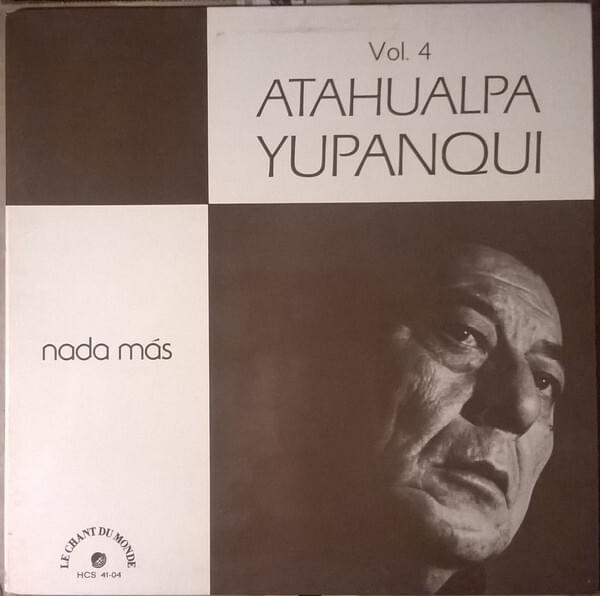
 View Artist