Song Meaning
A singing bird in serene mornings usually signals joy, but for the narrator of "El pajarillo," it only sharpens their pain. This lament opens with a direct, almost accusatory question to the natural world. Why does happiness flow to some while sorrow only seems to "aumentas las penas" for them?
The speaker feels singled out for punishment, questioning the harshness with which their love has been afflicted. This isn't just sadness; it's a profound sense of unfairness, a plea for understanding why their deepest affections have been met with such rigor. There's even a subtle declaration of future significance, hinting that their presence, like a shadow offering relief, will be missed when others eventually tire under the sun.
The lyrics deepen this personal anguish through striking personification. Even the narrator's "guitar, llora"—it weeps, despite being nothing more than "madero, vacío" (empty wood). This underscores a grief so profound it infects inanimate objects, making the speaker's own inevitable tears feel like a natural, even necessary, response to having what is theirs stripped away.
The final stanza expands this personal lament into a universal truth, asking what good are silver shackles and a golden cage if "libertad le falta." This powerful metaphor encapsulates the core emotional punch: true value isn't found in superficial adornments or perceived comforts, but in fundamental liberty and the inherent right to what is truly one's own. The lyrics resonate by articulating the pain of having something essential stripped away, regardless of how beautifully the loss might be framed.
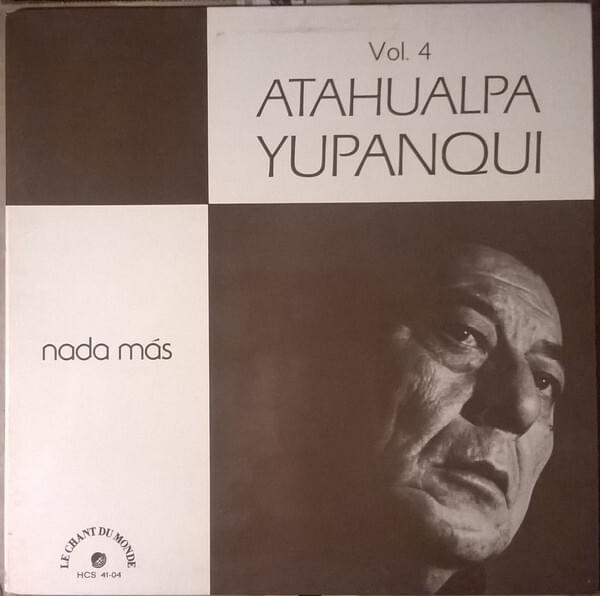
 View Artist