Song Meaning
The lyrics paint a picture of a chaotic, drug-fueled existence, centered around online interactions and a pervasive sense of disillusionment. The opening lines, "Нечего на первом спать! / Посмотри на меня / Кокаиновая," immediately establish a tone of reckless abandon and self-destructive behavior. The narrator seems caught in a cycle of frantic activity, questioning the purpose of their constant "суе-суечусь" (fussing/rushing) if not to achieve perfection, hinting at an underlying anxiety or emptiness driving this constant motion. This initial burst of energy feels less like ambition and more like a desperate attempt to outrun something.
This frantic energy clashes with moments of stark reality and self-awareness. The narrator asks, "Грустишь когда трезвая?" (Are you sad when sober?), suggesting substance use as a coping mechanism for underlying sadness. The mention of "порезы" (cuts) and the dismissive "Мне неинтересно — факт" (I'm not interested — fact) point to self-harm or a general disregard for personal well-being. The line "Да не, я не наркоман…" (Nah, I'm not a drug addict...) rings hollow against the backdrop of "Кокаиновая" and the overall atmosphere, revealing a denial that underscores the depth of the problem.
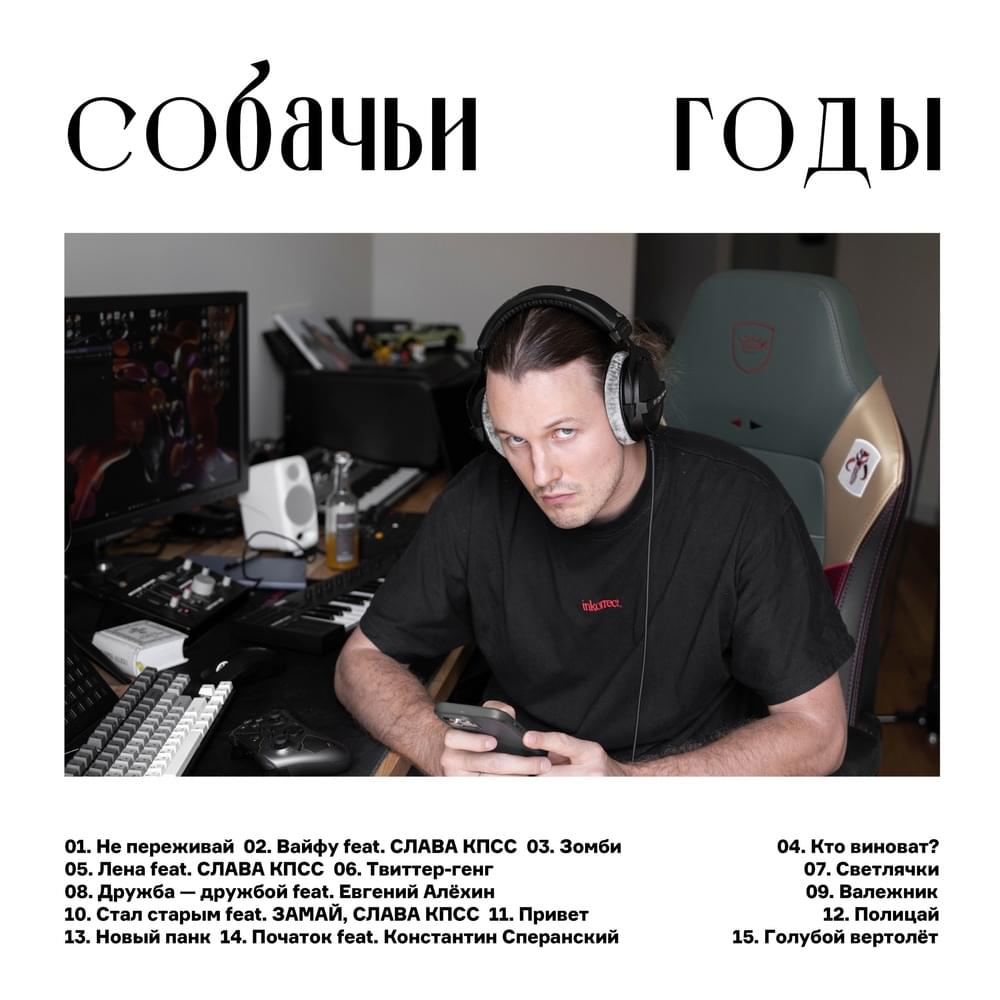
The lyrics then pivot to a scathing critique of the online world, specifically Twitter, which is labeled "Твиттер-генг" (Twitter Gang). The narrator describes a "Коммунальная дыра, напоминающая ад" (Communal hole, resembling hell) filled with a bizarre mix of people: "бездарями в тряпках от Баленсиага" (talentless people in Balenciaga rags), "Некромантки, ебанаты" (necromancers, assholes), and "Топ-модели на контрактах" (top models on contracts). This vivid, almost surreal imagery highlights the perceived absurdity and toxicity of online social circles, where superficiality and debauchery reign. The narrator expresses a desire for retribution, hoping "эту сволочь в тредах завтра захуярят" (this bastard will be fucked up in the threads tomorrow), revealing a deep-seated anger and alienation from this digital community.
The recurring refrain, "Бомбе запала дай / Бань долбоёба!" (Give the bomb a charge / Ban the idiot!), functions as a desperate plea for control or escape within this overwhelming environment. It's a call to action, a desire to purge the negativity and banish the perceived "idiots" who populate their world, both online and off. This aggressive demand for removal contrasts sharply with the later admission, "На притоне кто-то не прав / И, наверное, это я" (Someone's wrong at the den / And, probably, it's me), showing a flicker of self-accountability amidst the chaos. The narrator acknowledges their own flaws while still observing the "плесень в углах" (mold in the corners), suggesting a pervasive decay that affects everyone, including themselves.
Ultimately, the lyrics grapple with a profound sense of self-estrangement and a yearning for something more human. The narrator admits to being "достаточно храбр / Чтобы не удалять аккаунт" (brave enough / Not to delete the account) but also "довольно лукав / Чтобы просто играть дурака" (cunning enough / To just play the fool), indicating a complex relationship with their online persona and their reality. The "странная дудка" (strange pipe/flute) playing a "нелепый саундтрек" (absurd soundtrack) to their life suggests a surreal, almost detached experience. The final lines, "Я почти уже человек" (I'm almost human) and the repeated "Эти страхи когда-то сгорят" (These fears will burn away someday), offer a sliver of hope, a fragile aspiration for redemption and a future where these anxieties might finally dissipate.
 View Artist