Song Meaning
The lyrics paint a picture of a quiet, intimate moment, possibly at night, where the narrator is with someone. The repeated phrase "Такой же" (The same) suggests a present state of being, a comfortable familiarity. However, this is immediately contrasted with the stark prediction, "Но утром ты станешь другой" (But in the morning you will become different), hinting at an impending change or separation. This creates an immediate tension between the desire for the present to remain constant and the inevitability of time passing.
The core emotional conflict seems to revolve around this fear of change and loss, juxtaposed with the warmth and quiet intimacy of the current moment. The setting is described as "Дома тепло" (Warm at home) and "Тихо-тихо" (Quietly, quietly), creating a sense of sanctuary. Yet, the question "Мы кто?" (Who are we?) hangs in the air, revealing an underlying uncertainty about the nature of their connection, especially as the night deepens into "Темно" (Darkness).
The most striking craft element is the insistent repetition of the phrase "Такой же / Но утром ты станешь другой." This refrain hammers home the central paradox: the person is the same now, but the future promises a fundamental alteration. The inclusion of "Trip-Hop" as a descriptor within the otherwise sparse verses also adds an interesting layer, suggesting a specific mood or sonic texture that complements the introspective and slightly melancholic atmosphere.
What makes these lyrics resonate is their ability to capture a fleeting, vulnerable feeling. The simple, almost stark language, combined with the powerful contrast between present comfort and future uncertainty, evokes a universal anxiety about impermanence. The final plea, "Останься до завтра" (Stay until tomorrow), is a desperate, quiet wish to hold onto the present, making the underlying fear of change palpable and deeply human.
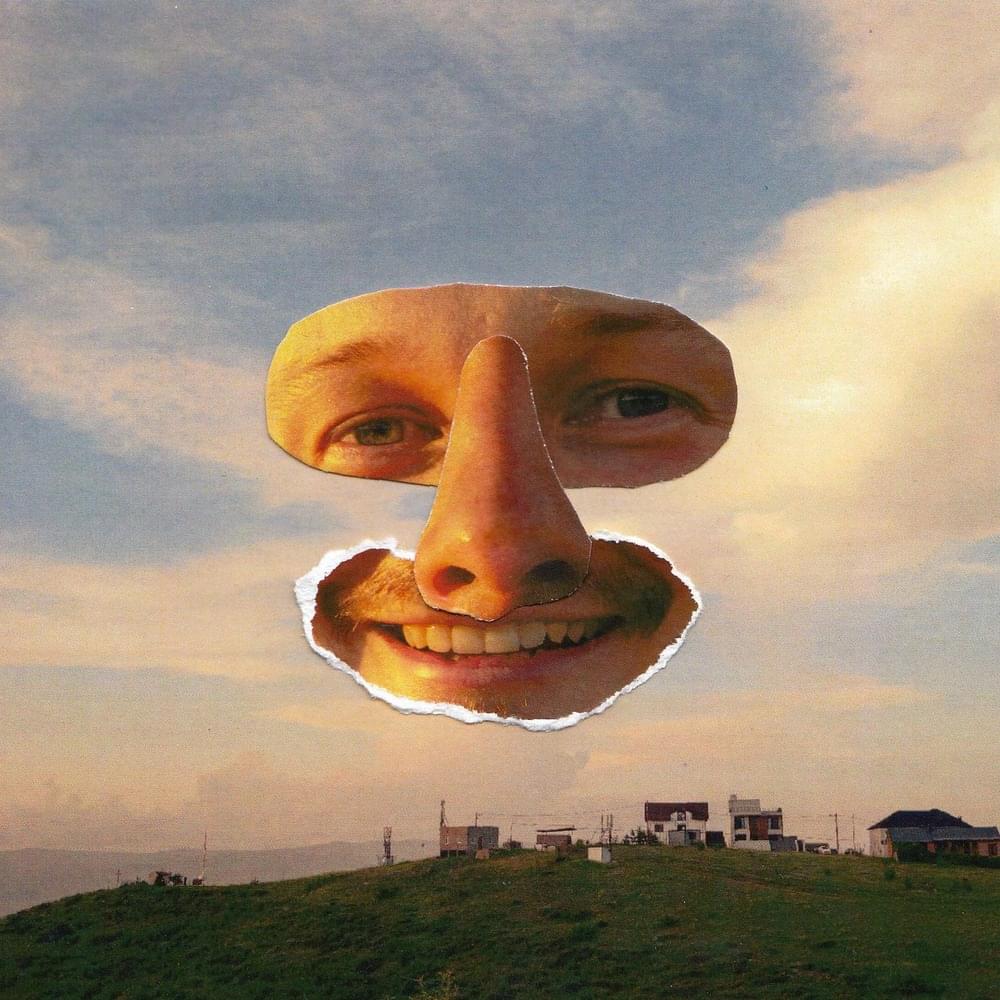
 View Artist