Song Meaning
The lyrics paint a picture of intense, almost desperate devotion, tinged with a dark possessiveness. The narrator declares their enduring love, even if it makes them look foolish, and offers a stark ultimatum: choose them, or face a grim fate for the other. This isn't just unrequited love; it's a love that imagines violent consequences for rivals, a sentiment that surfaces immediately with the chilling line, "Kawawa lang ililibing ko siya." The initial verses establish a desperate plea for the beloved's attention, framing the narrator's heart as exclusively theirs. The repeated phrase "Ako na lang" (Just me) underscores this singular focus, contrasting with the implied presence of a rival. The narrator dismisses any external influence, calling deceitful tongues "nanlilinlang" (deceiving) and warning the beloved not to listen. This sets up a conflict between the narrator's perceived pure love and the perceived manipulations of others.
The central tension arises from the narrator's struggle to be chosen, battling against what they perceive as deceit and deception. They directly confront the nature of love itself, questioning if this is how love courts, "Pag-ibig ganyan ka ba manligaw?" (Is love like this when it courts?). This suggests a deep confusion or disillusionment with the process of winning affection. The narrator's insistence, "Ako, ako, ako ang tangi niyang mahal" (Me, me, me, I am their only love), reveals a deep insecurity masked by aggressive self-proclamation. The skit, "Naguguluhan ako / Sino sa kanilang dalawa?" (I'm confused / Who between the two of them?), introduces a crucial ambiguity: is the narrator one voice, or part of a collective? This question is answered in the subsequent verse.
The most striking element is the shift in perspective in Verse 5, where the narrator reveals themselves to be plural: "Kahit kami ay dalawa ika'y nag-iisa" (Even though we are two, you are alone). This transforms the entire narrative. The possessive desperation and violent imagery are now coming from a collective entity, perhaps a duo or a group, all vying for the same beloved. This duality adds a layer of complexity to the initial declarations of singular love. The repeated "Pag-ibig" (Love) in Verse 6, now sung by this collective, takes on a more unsettling tone, as their definition of love seems to involve a fierce, almost predatory pursuit, promising "'Di ka mabibigo" (You won't be disappointed) with a chilling undertone.
This lyrical construction is effective because it plays with the listener's expectations of a typical love song. The initial verses create a sense of a heartbroken individual, but the reveal of a plural narrator shifts the emotional landscape entirely. The intensity of the declarations, which initially seemed like passionate devotion, now feels like a shared, perhaps even cult-like, obsession. The final plea, "Pili na mahal ko" (Choose now, my love), delivered by this unified but plural voice, leaves the listener with a sense of unease, highlighting how the pursuit of love can become distorted and overwhelming when filtered through a fractured or collective identity.
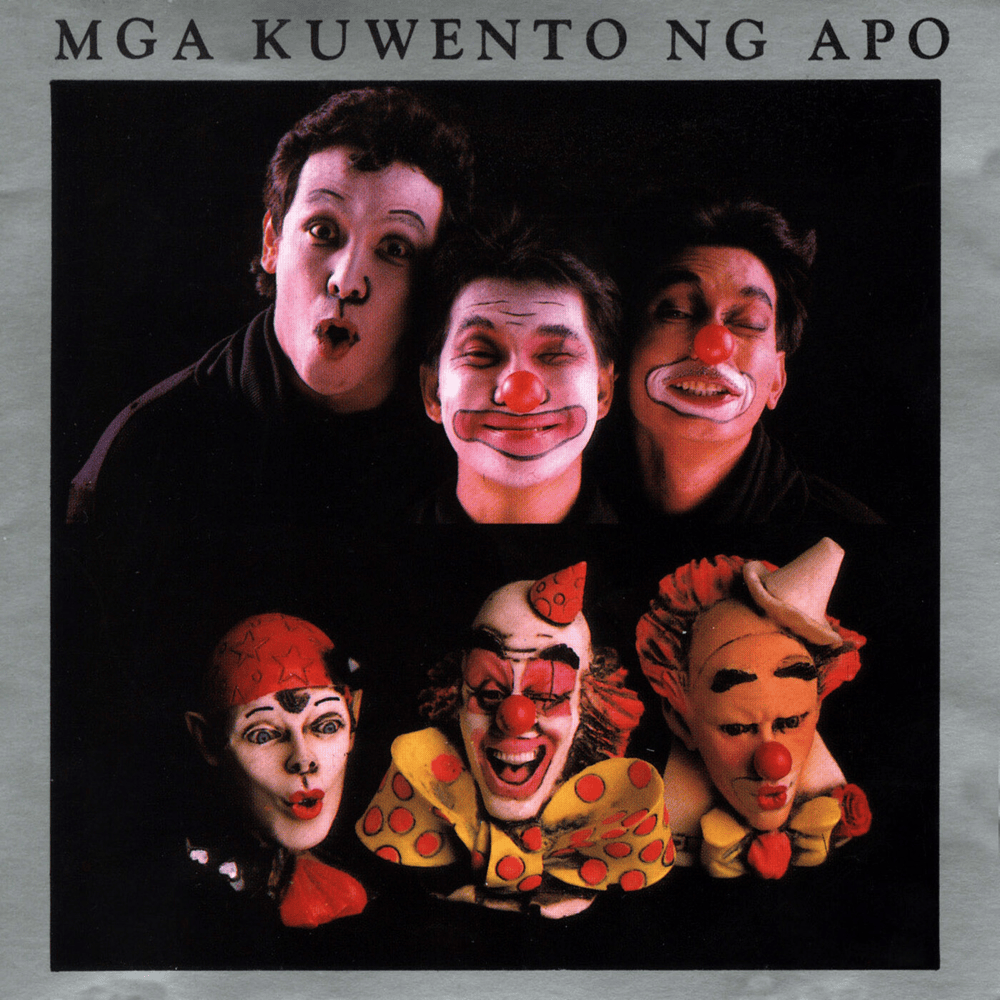
 View Artist