Song Meaning
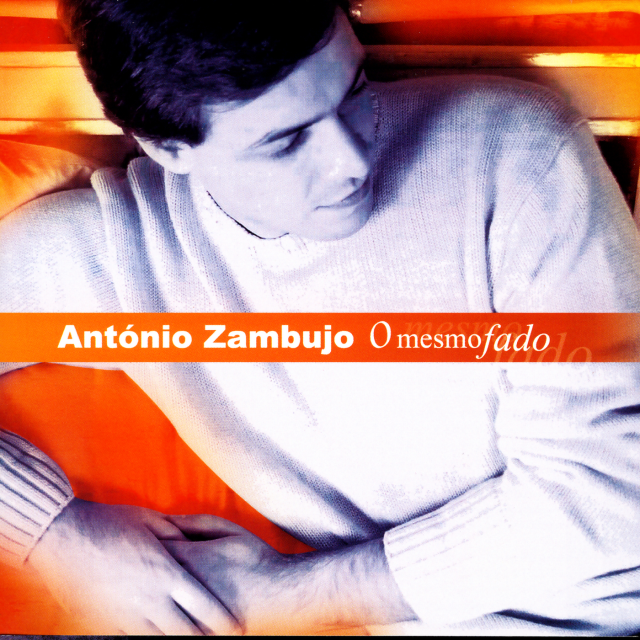
António Zambujo's "Beijos de Fogo" isn't just a song; it's a masterclass in emotional self-preservation, wrapped in the velvet melancholy of Portuguese fado. The initial verses paint a stark picture of a soul in lockdown. Zambujo sings of silencing the outside world ("Silêncio nem uma pena"), seeking inner peace, and barricading his heart against the onslaught of longing ("Pus no peito cadeados / P'ra não entrar a saudade"). This isn't mere heartbreak; it's a preemptive strike against future pain, a carefully constructed fortress of solitude. The repetition emphasizes the deliberate, almost ritualistic nature of this emotional closure.
But the human heart, as any psychologist will tell you, is a rebellious organ. The song takes a sharp turn with the introduction of "rosas fogo de quem ama"—roses of fire from one who loves. This powerful imagery suggests a desperate attempt to cauterize the wound of lost love, to sear the lips shut against the urge to cry out a name. It's a vivid metaphor for suppressing desire, a fiery kiss meant to obliterate the temptation of vulnerability. The lyrics analysis reveals a fascinating internal battle between the desire for self-protection and the undeniable pull of passion.
The final verses expose the cracks in this carefully constructed facade. "Mas a noite é um segredo / Confesso que tenho medo." The night, often a symbol of introspection and vulnerability, unveils the fear and conflicting desires simmering beneath the surface. The yearning to break free from the self-imposed prison is palpable: "De ouvir silêncios rasgados / De quebrar os cadeados / De te queimar com meus beijos." The ultimate desire isn't just to love, but to consume and be consumed by that love, to unleash the "fire kisses" held back for so long. Zambujo captures the agonizing tension between the need for safety and the intoxicating allure of surrendering to raw, untamed emotion, making "Beijos de Fogo" a haunting exploration of the human condition.
 View Artist