Song Meaning
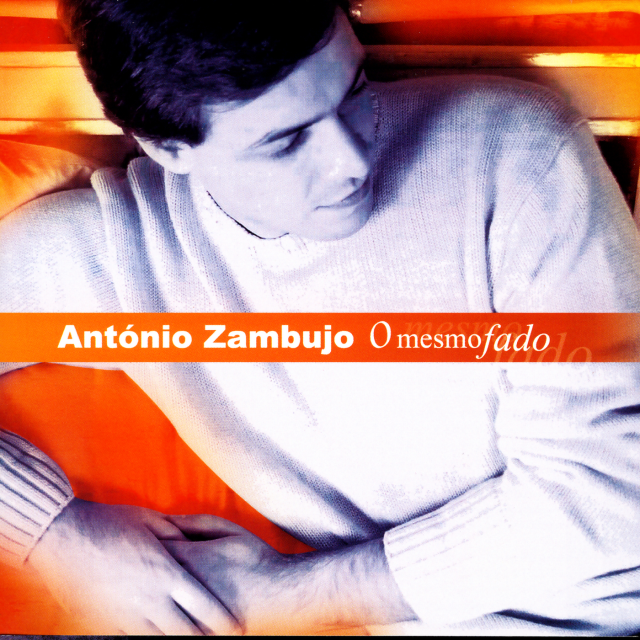
António Zambujo's "O mesmo fado" isn't just a song; it's a masterclass in understated devotion. The track unfolds like a whispered secret shared between lovers at dawn, its beauty lying not in grand pronouncements, but in the quiet recognition of a bond that transcends fleeting moments. Zambujo, a modern master of fado, uses deceptively simple imagery to paint a portrait of a love that's both timeless and deeply personal. The moonlit window, the shared sunrise – these aren't revolutionary metaphors, but they resonate with a profound sense of intimacy because of their very ordinariness. They speak to the idea that true connection isn't about extravagant gestures, but about finding the extraordinary within the everyday. The line "Somos por tudo e por nada" is the crux of it all. They are for everything, and for nothing.
The lyrics play with the tension between change and constancy, hinting at an evolution within the relationship. The setting sun suggests transformation ("Diz que somos outra gente"), yet the chorus grounds the narrative in the enduring essence of "o mesmo fado" – the same fate, the same destiny. The song’s power lies in this paradox. It acknowledges that people change, relationships evolve, but at its core, a fundamental connection remains. The “same fado” is not a stagnant repetition, but a shared emotional landscape, a common language of the heart that persists despite the shifting tides of life.
Ultimately, the song meaning of "O mesmo fado" resides in its subtle exploration of commitment. It’s about choosing to see the beauty in the mundane, finding solace in shared moments, and recognizing the enduring thread that binds two souls together, even as they navigate the inevitable transformations of life. Zambujo's artistry lies in his ability to convey this depth of emotion with such delicate simplicity, leaving the listener with a sense of quiet wonder and a renewed appreciation for the enduring power of love.
 View Artist