Song Meaning
António Zambujo's "Jogo de Sedução" isn't just a song; it's a sonic time machine. It whisks you away to the hazy, sun-drenched days of youth, where innocence and burgeoning desire intertwine. The lyrics paint a vivid picture of a past romance, recalling a time when the world felt limitless and every interaction crackled with unspoken tension. Zambujo masterfully evokes the carefree spirit of adolescence, where stolen kisses and forbidden desires felt like acts of rebellion against the mundane. The "jogo de sedução" (game of seduction) isn't a calculated strategy, but rather the naive, unconscious dance of two souls drawn together by an irresistible magnetic force. The imagery of "manhãs de sois" (mornings of suns) and "andorinhas que chegavam" (arriving swallows) establishes a vibrant, idyllic backdrop against which this youthful drama unfolds. It's a world of endless summers and boundless possibilities, a stark contrast to the present-day perspective of the narrator. The song explores how memory shapes our understanding of the past, often romanticizing experiences and imbuing them with a nostalgic glow.
But beneath the surface of youthful exuberance lies a poignant undercurrent of longing. The refrain, "Que memória, que loucura / Me transporta hoje à lonjura" (What a memory, what madness / That transports me today to the distance), reveals the narrator's wistful yearning for a time that can never be fully recaptured. The "distancia" (distance) isn't just physical; it's the emotional chasm that separates the present self from the carefree adolescent of the past. The lyrics suggest that the game of seduction, while seemingly innocent, left an indelible mark on the narrator's psyche, shaping their understanding of love and connection. The imagery of "beijos escondidos" (hidden kisses) and "desejos proibidos" (forbidden desires) speaks to the intoxicating allure of the unknown, the thrill of crossing boundaries and defying expectations. This sense of forbidden fruit adds a layer of complexity to the song's exploration of youthful romance.
Ultimately, "Jogo de Sedução," through Zambujo's tender delivery, captures the bittersweet essence of nostalgia. It's a meditation on the ephemeral nature of youth, the enduring power of memory, and the subtle ways in which past experiences continue to shape our present selves. The song invites listeners to reflect on their own personal "jogos de sedução," the formative relationships that have shaped their lives and left an enduring imprint on their hearts. The "sombras de infância" (shadows of childhood) linger, not as burdens, but as reminders of a time when the world felt full of magic and possibility. It's a reminder that even in the face of distance and the passage of time, the echoes of youthful passion can continue to resonate within us.
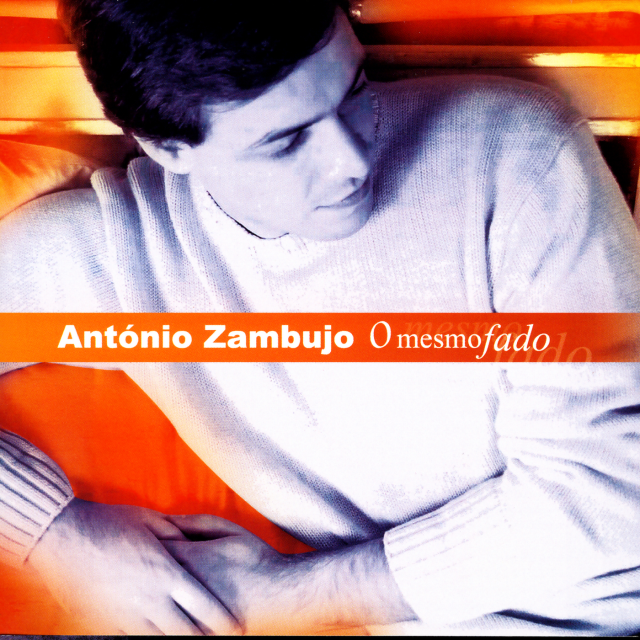
 View Artist