Song Meaning
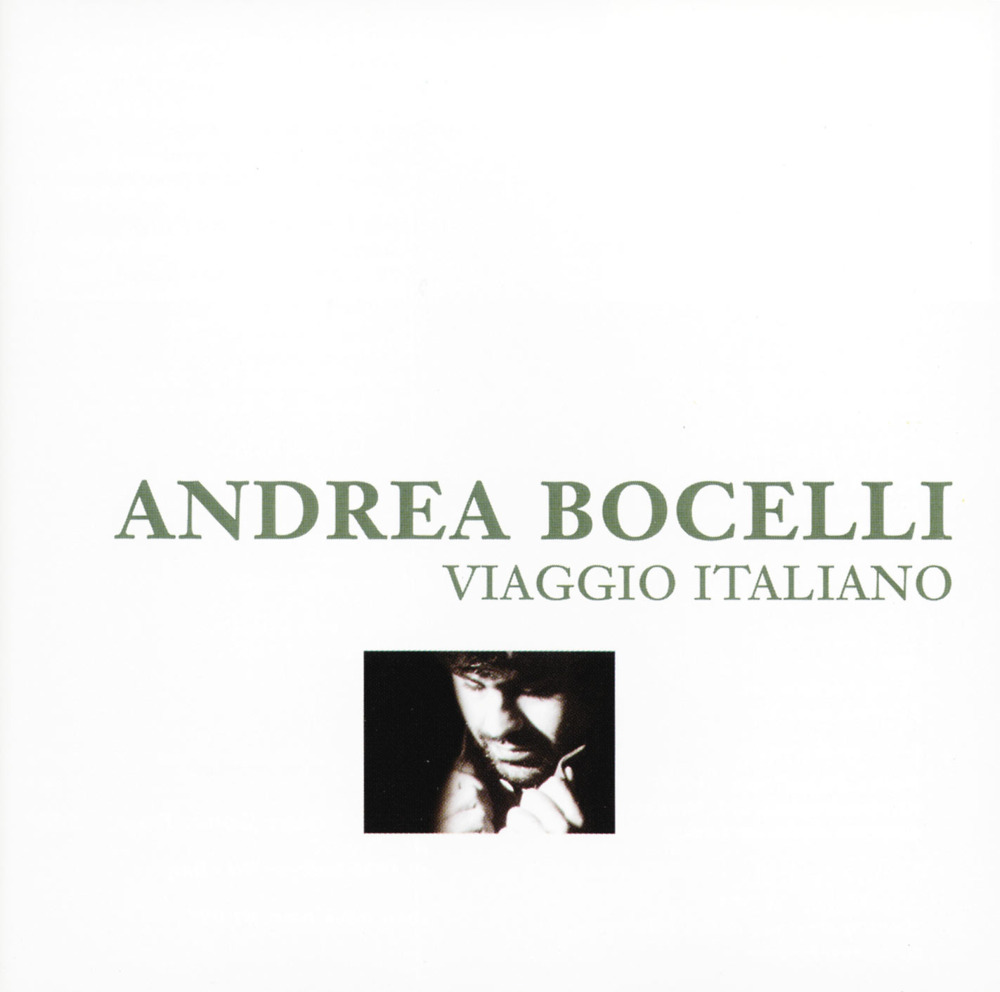
{"song_id": 13854969, "meaning": "Andrea Bocelli's rendition of \"Tu, ca nun Chiagne\" is a masterclass in melancholic longing, a stark portrait painted against the backdrop of a silent, watchful mountain. The opening lines immediately establish a sense of profound solitude. The singer marvels at the mountain's beauty, noting he's never seen it so captivating, yet it's a beauty tinged with weariness, a \"tired soul\" cloaked only by the \"white moon.\" This sets the stage for the raw emotion that follows, revealing a deep-seated yearning for a lost or distant love. The mountain, in its silent grandeur, seems to mirror the singer's own internal landscape: vast, beautiful, but ultimately lonely.
The core of the song's meaning resides in the paradoxical plea, \"Tu, ca nun chiagne, e chiagnere me faie\"—\"You, who do not cry, make me cry.\" This isn't merely about sadness; it's about a profound disconnect. The object of his affection remains stoic, perhaps even indifferent, while the singer is consumed by overwhelming emotion. This emotional disparity is the crux of the pain. Her inability to share in his vulnerability amplifies his own suffering, leaving him isolated in his grief. The repetition of \"Voglio a te!\" (\"I want you!\") underscores the desperation, a primal scream echoing in the silent night.
The second verse amplifies the feeling of isolation. The mountain is now \"calmer\" than ever, almost unnervingly so, and everything either sleeps or dies. This imagery suggests a descent into emotional numbness, a world where only the singer remains awake, tormented by his desire. The stark contrast between the external calm and the internal turmoil highlights the depth of his pain. Bocelli's interpretation transforms \"Tu, ca nun Chiagne\" into more than just a love song; it's an exploration of the agonizing space between connection and detachment, a haunting meditation on unrequited longing and the burden of unspoken emotions."}
 View Artist