Song Meaning
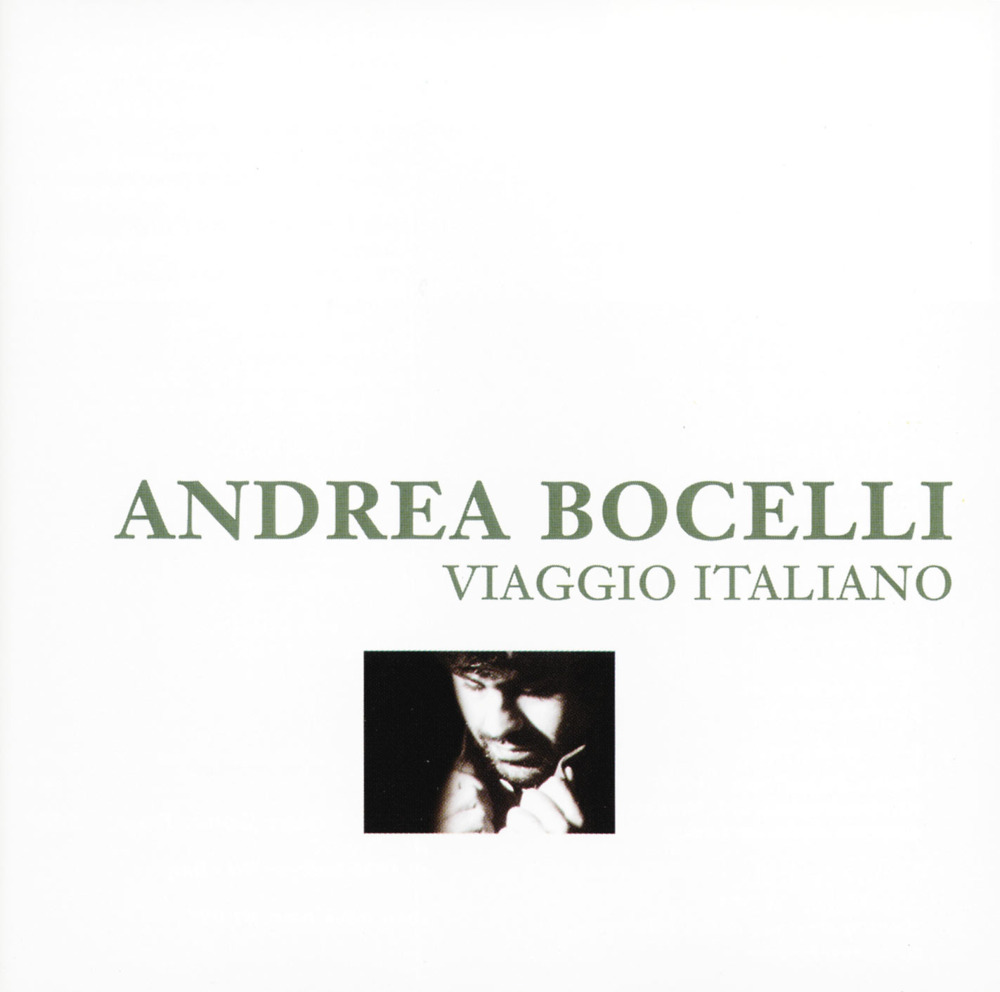
{"song_id": 13854968, "meaning": "Andrea Bocelli, the titan of modern opera, often navigates grand themes of love and loss with a voice capable of shattering glass and mending hearts. But in \"I te vurria vasa,\" the tenor trades operatic bombast for something far more intimate: a lover's quiet, almost voyeuristic adoration. The song, sung in Neapolitan dialect, avoids the soaring arias typically associated with Bocelli, choosing instead to explore the complex emotional landscape of longing and restrained desire. The title itself, translating to \"I want to kiss you,\" becomes a mantra, a yearning held just at bay. It's the classic push and pull.
The lyrics paint a vivid scene of a sleeping beauty in a rose-scented garden. The sun peeks through, the wind gently caresses her hair – a tableau of idyllic peace. But the observer, presumably Bocelli's character, is far from at peace. He's caught in a torment of his own making, a delicious agony of wanting to wake her with a kiss, yet fearing to disturb the tranquility of the moment. This internal conflict is central to the song's meaning. He's not just expressing desire, but also the anxiety of disrupting a perfect, fragile scene. The line \"Ma 'o core nun m' 'o dice 'e te sceta'\" (But my heart doesn't tell me to wake you) speaks volumes.
Adding another layer to this intricate emotional tapestry is the sharp sting of jealousy. The lyrics reveal a deep-seated insecurity as he wonders, \"Chi sa tu a chi te suonne!\" (Who knows who you dream of!). This vulnerability exposes a raw, human side, a stark contrast to the idealized image of a serenading tenor. Is she dreaming of him, or another? This question plagues him, underscoring the precarious nature of love and the fear of not being the sole object of affection. The desire to \"addurmi' vicino 'o sciato tujo\" (fall asleep near your breath) further emphasizes a craving for intimacy and a longing to be enveloped in her world, even if only in slumber. \"I te vurria vasa\" isn't just a love song; it's a psychological portrait of a man wrestling with his desires, insecurities, and the delicate balance between wanting and respecting the object of his affection."}
 View Artist