Song Meaning
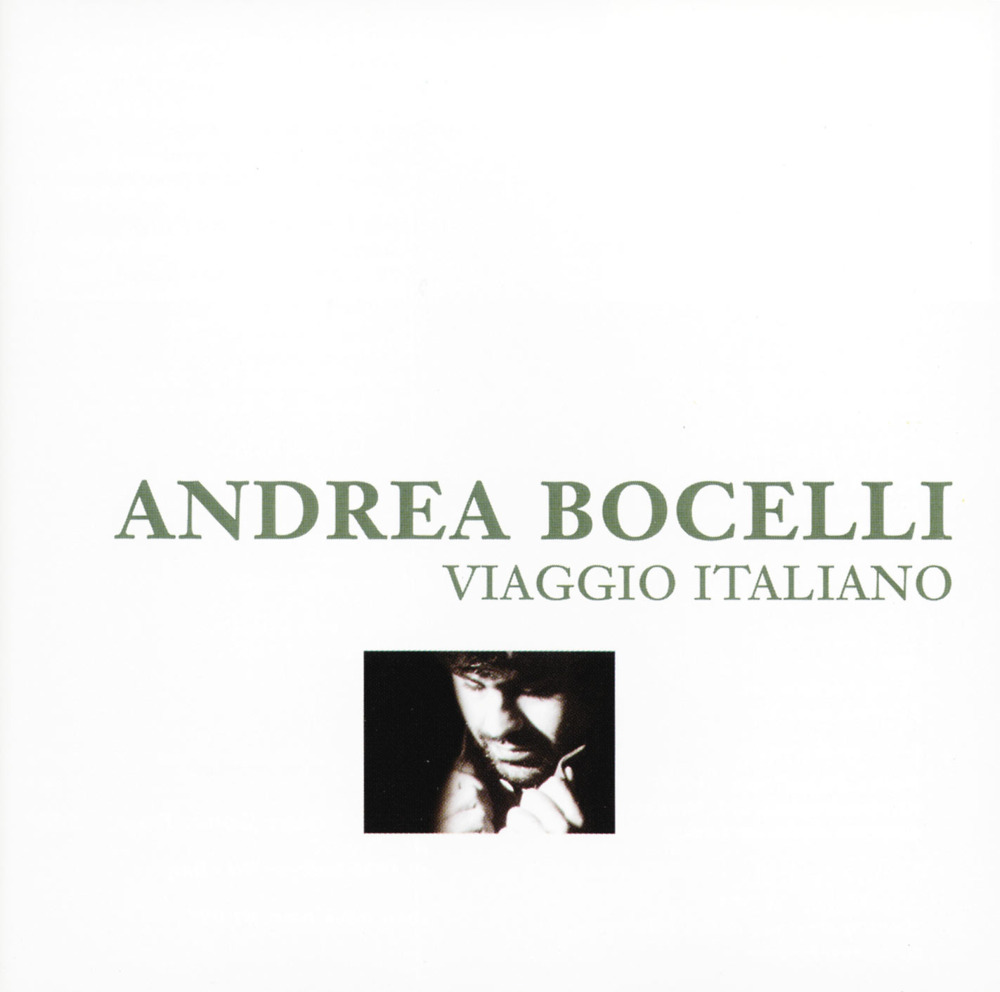
Andrea Bocelli's rendition of "Santa Lucia Luntana" is less a simple ode to a place than a raw nerve of longing, a primal scream of homesickness amplified by the vastness of the sea. The lyrics, sung in Neapolitan, paint a vivid picture: ships departing for distant lands, filled with Neapolitan souls singing as their beloved gulf fades into the horizon. But this isn't a celebration of adventure; it's the prelude to an ache. The recurring cry of "Santa Lucia luntana 'a te / Quanta malincunia!" (Santa Lucia, far from you, how much melancholy!) encapsulates the central theme. It's a lament for a lost home, a recognition that the pursuit of fortune elsewhere cannot fill the void left by Naples. The moon, a universal symbol of reflection and memory, only intensifies the pain of separation.
The emotional core of the song lies in the conflict between the desire for a better life ("Se va a cerca' furtuna" - seeking fortune) and the inescapable pull of one's roots. The trembling hands on the strings, the haunting memories, and the heart that "nun 'o sane / Nemmeno cu 'e canzone" (cannot be healed, not even with songs) all speak to a profound sense of displacement. Even music, traditionally a source of solace, becomes a painful reminder of what's been left behind, triggering tears and a yearning to return. This is not just geographical longing; it’s a deep-seated identity crisis. The lyrics suggest that true contentment is impossible when severed from one's cultural and spiritual home.
The final verses elevate "Santa Lucia Luntana" beyond mere nostalgia. Naples, personified as Santa Lucia, possesses only "'nu poco 'e mare" (a little bit of sea), yet its beauty intensifies with distance. This hints at the idealized vision of home that often develops in exile, a romanticized memory that eclipses any real-world imperfections. The allusion to the Sirens, mythical creatures who lured sailors to their doom with irresistible songs, adds another layer of complexity. Naples, in this context, becomes both a siren song and an inescapable destiny. The ultimate declaration—"Si è nato a Napule / Ce vo' muri'!" (If you were born in Naples, you must die there!)—is a powerful statement about the indivisible bond between a person and their place of origin. It’s a fatalistic acceptance of the idea that true belonging can only be found in the land of one's birth, making the song meaning resonate with anyone who has experienced the bittersweet pangs of longing for home.
 View Artist