Song Meaning
Andrea Bocelli's rendition of "Panis Angelicus" transcends mere performance; it's a devotional experience rendered in sound. The lyrics, a fragment from St. Thomas Aquinas' hymn "Sacris solemniis," speak to the transformation of angelic bread into the bread of humankind, a celestial offering that surpasses earthly forms. Bocelli, with his signature blend of operatic power and vulnerable intimacy, doesn't just sing these words, he embodies them. The phrase "O res mirabilis!" (O wondrous thing!) captures the essence of the mystery at the heart of the song: the consumption of the divine. It's a concept that challenges the rational mind, inviting instead a surrender to faith. The repetition emphasizes the awe, a childlike wonder at the sacred made manifest.
Psychologically, the song taps into deep-seated human needs for connection and transcendence. The longing for the infinite, for something beyond the mundane, resonates within the soaring melodies. The repeated invocation of "pauper, servus et humilis" (poor, servant, and humble) underscores the idea that access to the divine is not predicated on worldly status or achievement. Instead, it is the humble, the vulnerable, who are most receptive to this sacred offering. Bocelli's vocal performance, characterized by its exquisite control and emotional depth, reinforces this message of humility. His voice becomes a vessel, channeling the spiritual yearning inherent in the text.
Ultimately, "Panis Angelicus," as interpreted by Bocelli, functions as a sonic meditation on faith, humility, and the transformative power of belief. It's a reminder that even in a world saturated with cynicism and doubt, the possibility of encountering the sacred remains open to those who approach with an open heart. The song's beauty lies not just in its technical brilliance but in its ability to evoke a sense of profound spiritual connection, a feeling of being both humbled and uplifted by the immensity of the divine.
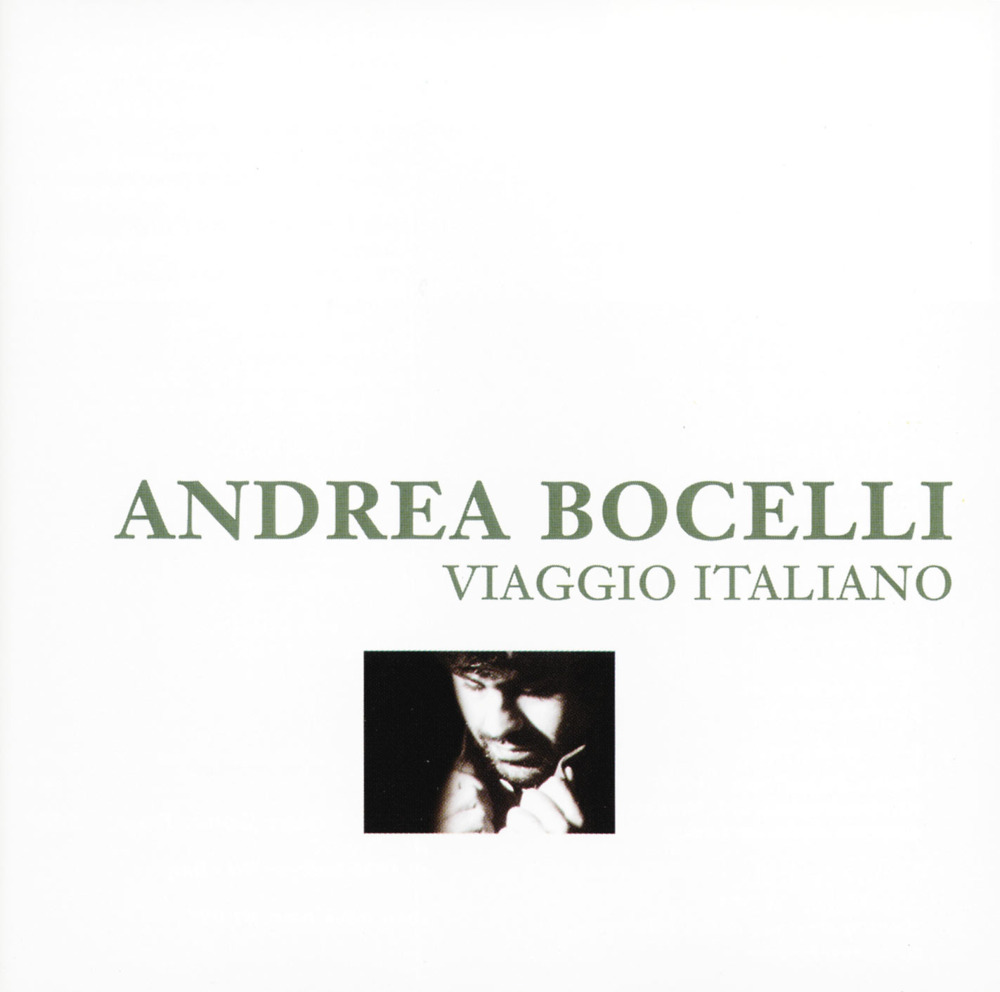
 View Artist