Song Meaning
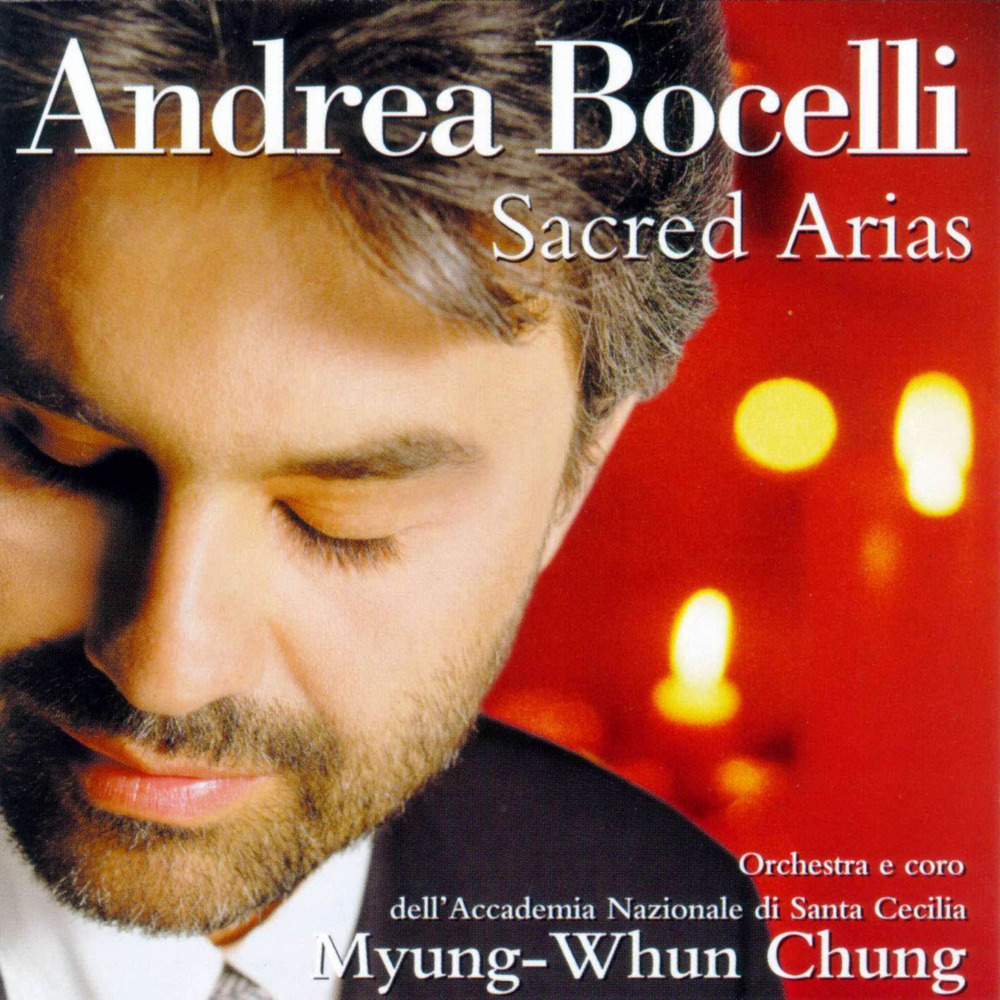
Andrea Bocelli's rendition of Schubert's "Ave Maria" transcends simple religious devotion, operating instead as a profound exploration of human hope and vulnerability. The lyrics, a direct prayer to the Virgin Mary, are deceptively simple. Yet, the repetition of phrases like "Gratia plena" (full of grace) and "Dominus tecum" (the Lord is with thee) creates a sonic tapestry of supplication. Bocelli's interpretation, imbued with his signature tenor, elevates the piece beyond liturgical recitation, transforming it into an intensely personal plea for solace. The focus on Mary as "Mater Dei" (Mother of God) underscores the maternal archetype – a figure of comfort, protection, and unconditional love, crucial elements in the human psyche.
The emotional core of the song resides in the plea, "Ora pro nobis peccatoribus" (pray for us sinners). This is not merely a request for divine intercession; it's an acknowledgement of human fallibility, a raw admission of our inherent flaws and imperfections. The repetition of "Ora, ora pro nobis" amplifies the urgency and depth of this need. Bocelli's vocal control and phrasing emphasize the weight of this confession, drawing the listener into a shared space of vulnerability. He doesn't just sing the words; he embodies the plea, making it palpable.
Ultimately, "Ave Maria" as performed by Bocelli, isn't solely about religious dogma, but about the universal human desire for redemption and peace, especially “in hora mortis nostrae” (in the hour of our death). The song’s power lies in its ability to tap into our deepest fears and anxieties, offering a glimmer of hope amidst the uncertainty of existence. It is a sonic balm, a reminder that even in our darkest moments, the possibility of grace and forgiveness remains.
 View Artist