Song Meaning
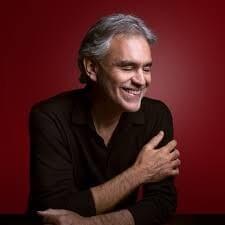
Andrea Bocelli's "Cujus Animam" isn't just a song; it's a raw, operatic nerve exposed. The Latin text, drawn from the Stabat Mater, immediately plunges us into profound sorrow. The lyrics speak of a soul groaning, afflicted, and grieving, pierced by a sword. This isn't abstract pain; it's the visceral suffering of a mother, specifically the Virgin Mary, witnessing the agony of her only son, Jesus Christ. The repetition of phrases emphasizes the depth and persistence of this anguish. The sword, a potent symbol, represents not only physical torment but also the emotional and spiritual devastation that cuts through the soul. It's a primal scream rendered in the most formal and emotionally demanding of vocal styles. Bocelli, known for his ability to convey profound emotion, uses his voice to embody this maternal pain, turning the aria into a lament that transcends religious dogma.
The core of "Cujus Animam" lies in empathy. The lyrics painstakingly depict Mary's emotional state – grief, sorrow, trembling – as she watches her son's crucifixion. It's an unflinching portrayal of maternal suffering. The phrase "Mater unigeniti!" (Mother of the only-begotten!) underscores the uniqueness and irreplaceable nature of the bond being severed. This isn't simply a historical account; it's an exploration of the universal themes of loss, sacrifice, and the unbearable pain of witnessing a loved one's suffering. The repeated emphasis on Mary's trembling (“Et tremebat, cum videbat”) hints at the psychological trauma she is enduring – a trauma so profound it shakes her to her core. The music, intertwined with the lyrics, evokes a sense of awe and reverence, but more importantly, it invites the listener to connect with the raw, human emotion at the heart of the narrative.
Ultimately, the song meaning of "Cujus Animam" transcends its religious origins. It taps into the deep well of human compassion and the shared experience of grief. While the lyrics are explicitly Christian, the underlying themes of maternal love and the agony of loss resonate universally. Bocelli's interpretation doesn't preach; it presents a stark, emotionally honest portrait of suffering, inviting the listener to contemplate the depths of human sorrow and the enduring power of empathy. The piece serves as a reminder that even in the face of immense pain, the human spirit – particularly the maternal spirit – endures, albeit scarred and forever changed.
 View Artist