Song Meaning
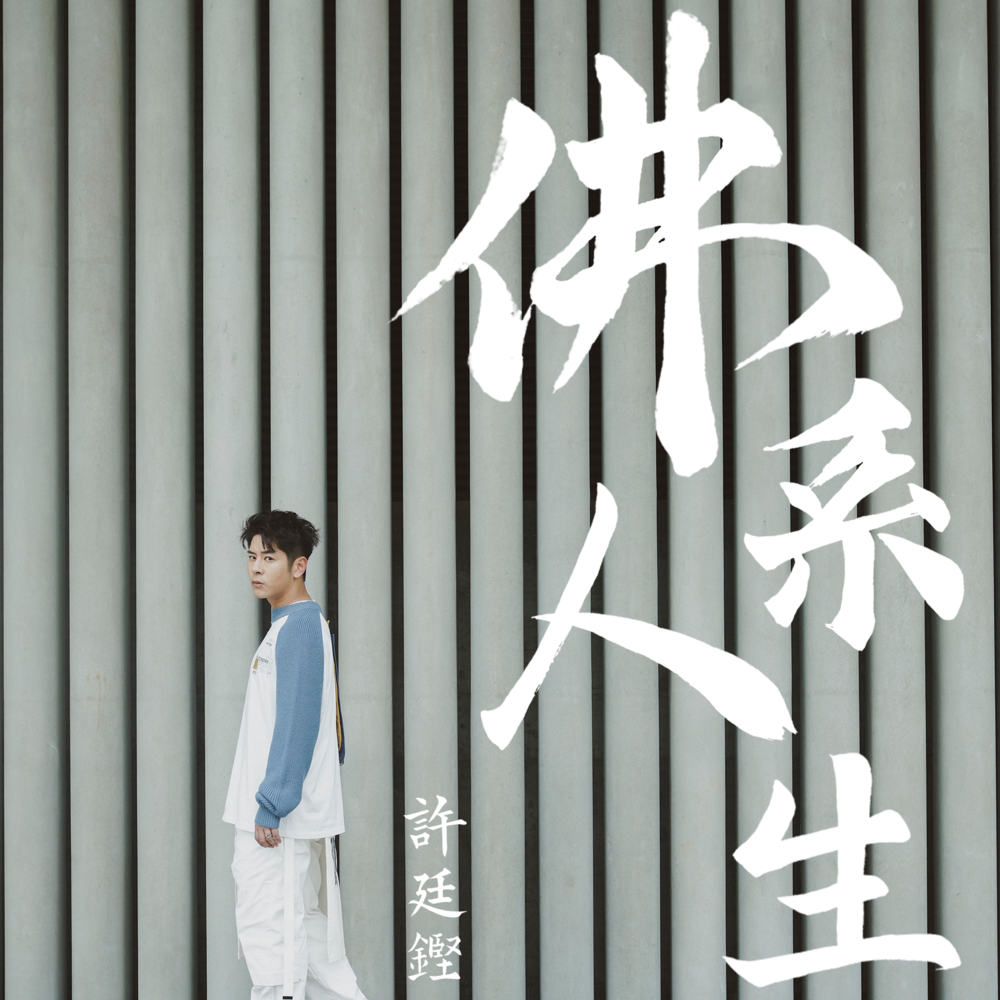
This track paints a picture of deliberate disengagement from societal pressures. The narrator opts out of formal education, career advancement, and material wealth, not out of laziness, but as a conscious choice to avoid perceived anxieties like kidnapping or the burden of ambition. This detachment is framed as a form of self-preservation, finding a quiet satisfaction in simplicity and a knowing, almost smug, sense of inner peace. The lyrics suggest a deliberate shedding of external validation, preferring an internal, almost spiritual, contentment.
The central tension arises from the narrator's embrace of apathy as a shield. By claiming to want nothing, they paradoxically aim to avoid the pain and disappointment that comes with striving and attachment. Phrases like "色與空 想到傻了" (thinking of form and emptiness until one is foolish) and "無夢想有心跳" (having a heartbeat without dreams) highlight this deliberate emotional and aspirational void. This isn't necessarily a state of enlightenment, but a chosen numbness to navigate a world perceived as overly demanding and corrupt.
A striking lyrical device is the ironic invocation of Buddhist concepts to justify a passive, almost nihilistic, stance. The narrator questions the very tenets of Buddhist philosophy by twisting them into excuses for inaction, as seen in "施主參透錯或對 能用佛偈反駁佛法無罪" (Master, whether you understand right or wrong, Buddhist sayings can refute that Buddhism is guiltless). This self-referential paradox suggests a playful, yet profound, skepticism towards established wisdom when it conflicts with a desire for ease and freedom from responsibility.
Ultimately, the effectiveness of these lyrics lies in their unflinching portrayal of a chosen detachment as a form of strength. The narrator finds a peculiar freedom in "毫無大志易沉睡" (little ambition makes it easy to fall asleep) and declares "平庸是偉大人物的壯舉" (mediocrity is a great feat for great people). This redefinition of success and virtue, grounded in a rejection of conventional ambition, resonates by offering an alternative perspective on navigating life's complexities, suggesting that sometimes, the most radical act is simply to stop trying so hard.
 View Artist