Song Meaning
The lyrics paint a raw, unflinching portrait of profound internal struggle, hinting at past traumas and self-harm. The narrator grapples with feelings of worthlessness, questioning their deservingness of forgiveness after experiencing "countless unthinkable things." The visceral image of "wrist cut, almost lost my life" immediately establishes the high stakes of this emotional battle, suggesting a history of deep despair.
This internal conflict is amplified by a fear of being an "oddity" and the anxiety of losing support if their "guilt" is exposed. The chorus reveals a core tension: the struggle to reconcile "unbearable memories" with the desire to move forward. There's a repeated action of "sweeping away those broken fragments," yet the result is "accumulated tears," indicating that suppression only intensifies the pain. The phrase "difficult to articulate" becomes a recurring motif, highlighting the inexpressible nature of the narrator's suffering.
A significant shift occurs in the second verse and bridge, moving from a passive acceptance of pain to an active decision to "cast it away" and "bid farewell to excessive burdens." The narrator declares an end to "feeling guilty" and a willingness to face criticism. This transition suggests a hard-won resolve to release pent-up emotions, moving from hiding "thoughts in a fortress" to embracing the need to "release emotions" without fear of judgment or "others' objections."
The effectiveness of these lyrics lies in their directness and the stark contrast between past despair and a burgeoning hope for release. The repeated imagery of trying to sweep away fragments, only to find tears, powerfully illustrates the futility of suppression. The eventual embrace of emotional expression, even in the face of potential backlash, offers a cathartic arc that resonates with the difficulty of confronting and articulating deep-seated pain.
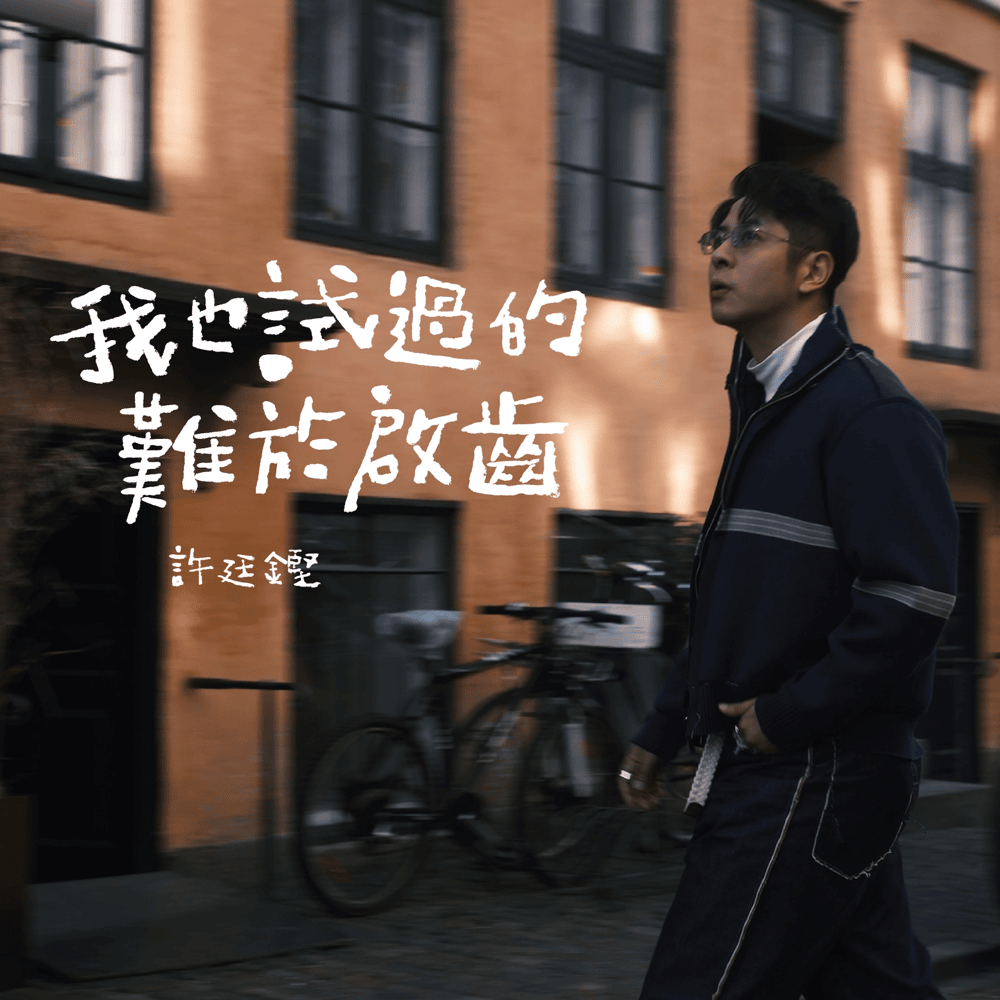
 View Artist