Song Meaning
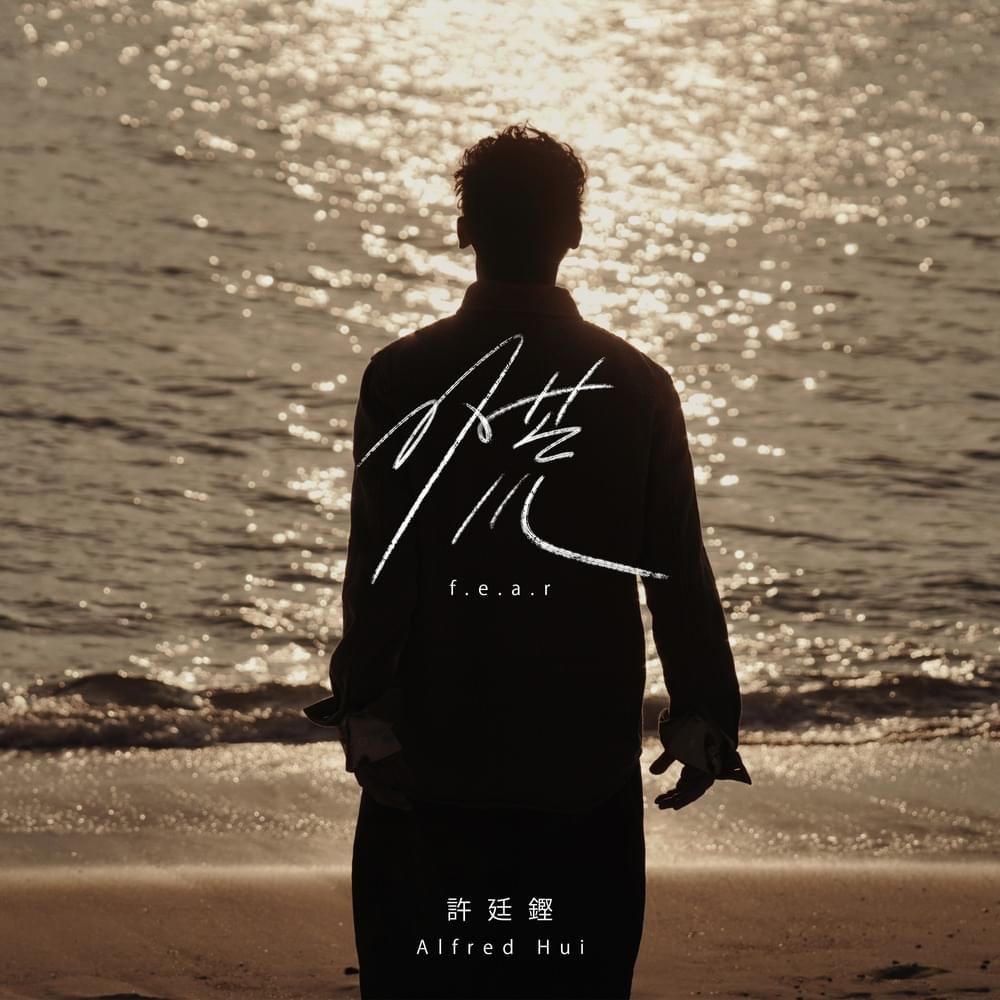
This track paints a picture of someone trapped in a paralyzing fear, a constant state of anxiety that infects every aspect of their existence. The narrator feels dread whether they are with others or alone, fearing judgment for their tears or the stark reality of facing themselves. Even simple acts like eating become fraught with guilt, leading to a self-imposed cycle of fear driven by the pressure to be 'better' and meet expectations. The lyrics reveal a deep-seated terror of disappointing others, or perhaps, even more profoundly, a fear of losing the positive image they've cultivated.
The central tension lies in this pervasive, almost irrational fear that dictates their every move. They are "浪浪蕩蕩在人群裡" (wandering aimlessly in the crowd) and "熱熱鬧鬧寂寂寞寞在人潮裡" (noisy and lively, yet lonely in the crowd), caught between a desire for connection and an overwhelming fear of vulnerability. This fear isn't about external threats, but an internal crisis: "自信最怕粉碎" (confidence fears shattering most) and "我怯慌會刺激誰" (who will my fear provoke?). The narrator seems terrified of their own perceived flaws and the potential disapproval they might elicit, leading to a constant, anxious self-monitoring.
The most striking aspect is the lyrical self-interrogation, particularly when confronting their reflection. The repeated question, "到底驚嚇驚誰" (who am I ultimately afraid of startling?), highlights this internal conflict. They question their own actions and motivations, realizing their fear might be directed inward: "最怕的竟是我 我又最畏懼誰" (the one I fear most is myself, and who do I fear?). This self-awareness, while painful, is crucial, suggesting the real battle is against their own self-doubt and the carefully constructed persona they present to the world.
Ultimately, the effectiveness of these lyrics stems from their raw portrayal of an all-consuming anxiety. The narrator's struggle isn't a simple case of nerves; it's a deep-seated "恐懼" (fear) that isolates them even in a crowd. The repeated phrases and questions create a sense of relentless internal pressure, making the listener feel the weight of this existential dread. The final lines, "我看不起我飾演誰" (I despise who I'm playing), reveal the core of the anguish: a profound dissatisfaction with the self they present, a self they fear is not authentic and ultimately, not good enough.
 View Artist