Song Meaning
The lyrics paint a stark picture of a San Juan morning, where a threatening rain gives way to a sun that appears after a brief, almost ominous, moment. The scene is set for departure, with boats heading out to sea and the wind favorable, yet an undercurrent of melancholy emerges from the elders' recollections. They speak with sadness of a past abundance, where the sea once held "mil ballenas," now reduced to mere "decenas," hinting at a profound ecological decline and a sense of loss that hangs heavy in the air.
The central tension arises from the juxtaposition of the present-day hunt and the memory of a richer past. The call to action, "Ballenas a babor / Listos cuerda y arpón," is immediate and practical, but it's immediately followed by the grim certainty, "No hay duda que hoy habrá un perdedor." This foreboding suggests the hunt itself is fraught with a sense of impending doom, perhaps not just for the whale, but for the tradition or the environment itself.
The most striking craft element is the stark contrast between the natural world's shift and the human response. The elders' "tristeza" over diminishing whales is met with the active preparation for the hunt. The phrase "Entre salitre y sudor" powerfully encapsulates the harsh reality of this endeavor, a blend of the sea's brine and human exertion, leading to a somber conclusion where "El cielo enmudeció / La lluvia nos dejó." This silence from the heavens feels like a judgment or a profound acknowledgment of the day's grim outcome.
This lyrical construction is effective because it grounds a large-scale environmental lament in the specific, tangible actions of a single day's hunt. The shift from the initial hopeful signs of the sun to the final, silent sky creates a narrative arc of loss and resignation. The lyrics don't explicitly condemn the hunt but rather present its grim reality against a backdrop of ecological scarcity, leaving the listener to ponder the cost of survival and tradition in the face of dwindling natural resources.
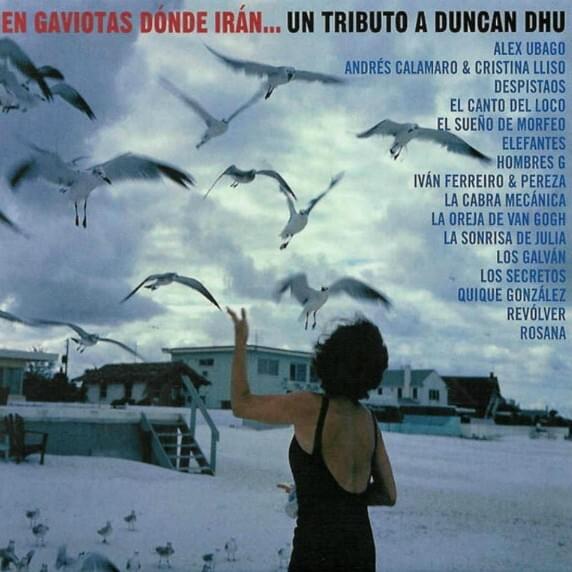
 View Artist