Song Meaning
The lyrics paint a stark picture of persistent loneliness, marked by the rhythmic drip of a leaky ceiling that echoes the narrator's past. There's a palpable sense of resignation, as the imagery of burnt embers failing to regrow branches suggests that past losses are irreparable. This feeling is amplified by the recurring phrase, "Dia sim e dia não" (Day yes and day no), which underscores the constant, gnawing ache of solitude and a growing sense of being overwhelmed, or "aperreado."
The central tension arises from the contrast between the narrator's internal state and the external world, particularly the bar scene. The repetition of the number thirty – "trinta copos de chopp" (thirty glasses of beer), "trinta homens sentados" (thirty men seated), "Trinta mil sonhos frustrados" (Thirty thousand frustrated dreams) – creates a suffocating atmosphere. This numerical emphasis, coupled with "trezentos desejos presos" (three hundred trapped desires), highlights a collective, yet isolating, experience of unfulfilled potential.
The most striking craft element is the juxtaposition of specific locations with a generalized, almost dehumanizing, image: "No bar 'Savoy' na Sertã / No 'Luna' bar no Leblon / Vejo a tristeza do gado" (At the 'Savoy' bar in Sertã / At the 'Luna' bar in Leblon / I see the sadness of the cattle). This comparison of men to cattle, observed across different bars, powerfully conveys a sense of passive suffering and a loss of individual agency, suggesting a shared, herd-like melancholy.
Ultimately, the effectiveness of these lyrics lies in their unflinching portrayal of a deep-seated melancholy. The specific, yet bleak, imagery and the relentless enumeration of lost hopes and trapped desires create a potent emotional resonance. The narrator's observation of "tristeza do gado" transforms a personal feeling of loneliness into a broader commentary on a pervasive, almost animalistic, despair.
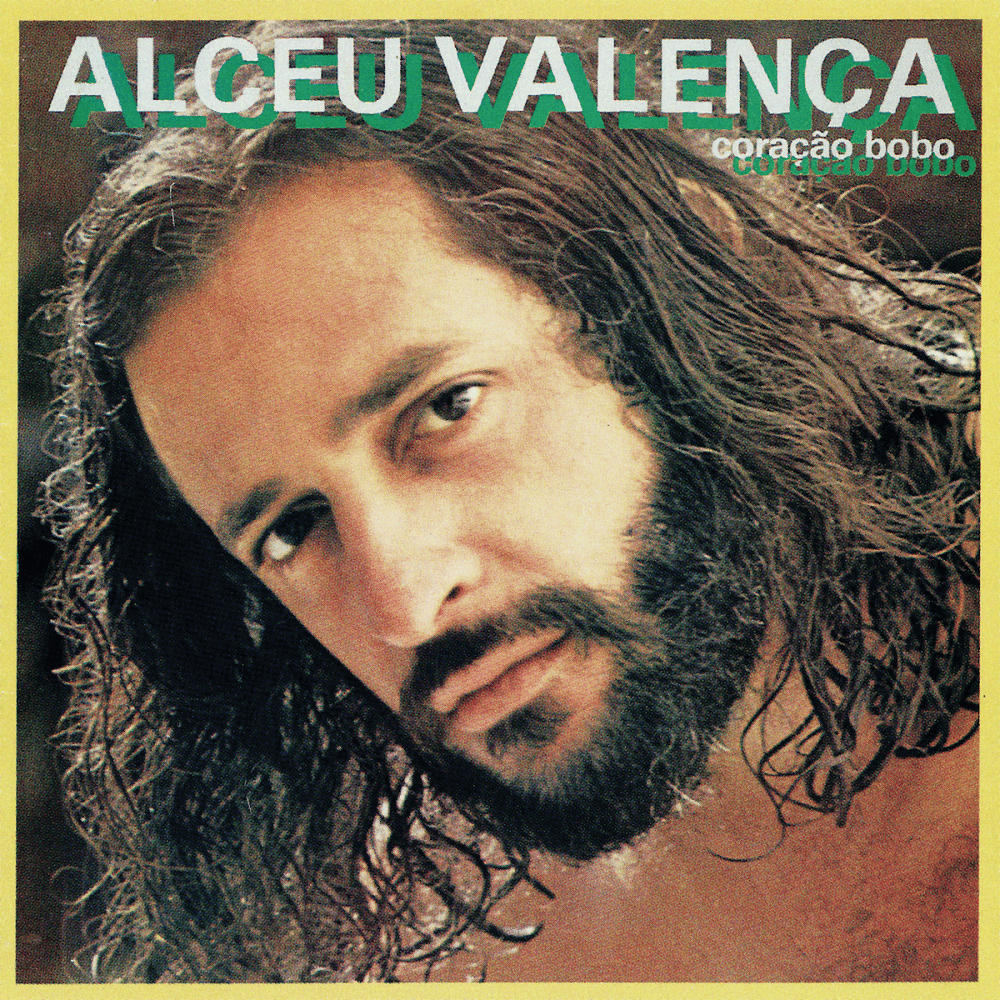
 View Artist