Song Meaning
This song paints a picture of a grand romantic gesture gone slightly awry, or at least, unexpectedly. The narrator commissions a bouquet for his beloved, but the description immediately introduces a twist: it's made of "Bolina disfarçada" – a clever, perhaps even deceptive, material disguised to look beautiful. This sets up an immediate tension between outward appearance and inner reality, hinting that the love being expressed might not be as straightforward as it seems.
The dominant emotional thread seems to be one of bittersweet farewell, tinged with a lingering affection. The narrator bids goodbye to his "menina, linda / Flor da madrugada," suggesting a parting from someone cherished and perhaps young or innocent. The imagery of the "brilho da / Estrela matutina" adds a touch of ethereal beauty to this departure, making the separation feel both inevitable and poignant.
The core of the narrator's declaration lies in his devotion to "A rosa vermelha é / Meu bem querer." This red rose, a classic symbol of passionate love, is contrasted with the earlier deceptive bouquet. He then expands this to include "A rosa vermelha e / Branca hei de amar / Até morrer," suggesting a more complex, perhaps dualistic, form of love that he pledges to maintain until his end. This final image shifts the focus from the initial, possibly insincere, gift to a deeper, enduring commitment, even as he says goodbye.
What makes these lyrics resonate is the subtle unfolding of sincerity. The initial bouquet, described with a hint of artifice, gives way to a profound and unwavering pledge of love symbolized by the red and white rose. This progression from a potentially superficial offering to a lifelong commitment creates a powerful emotional arc, leaving the listener with a sense of enduring, albeit complex, devotion.
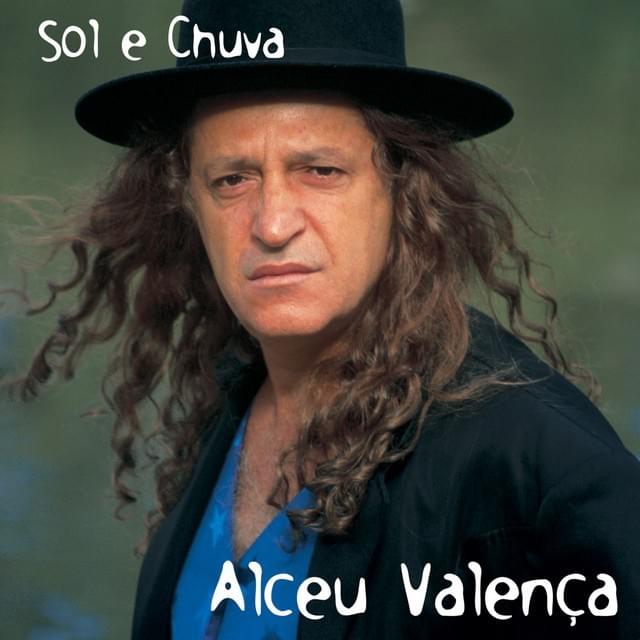
 View Artist