Song Meaning
This song paints a picture of love as an overwhelming, almost desperate hunger. The narrator declares "Eu te amo" using a series of vivid, almost jarring comparisons that highlight the intensity of their feelings. It's not a gentle affection, but a craving akin to someone leaving prison, finally free and ravenous, or a farmer planting a new field with fervent hope. This initial volley of images sets a tone of profound need and anticipation.
The core tension lies in the contrast between the simple, everyday actions and the immense emotional weight attached to them. Going to the cinema, returning from the market, or coming back to a nest are ordinary moments, yet here they are imbued with the "gula dos pobres" – the intense, almost primal desire of those who have little. This suggests a love that is deeply cherished precisely because it feels like a rare and precious acquisition, something to be consumed with every ounce of one's being.
The repeated phrase "Eu te amo, te amo, te amo" acts as a powerful anchor, reinforcing the central declaration against the backdrop of these varied, potent similes. The specific imagery of the "xexéu-de-bananeira" (a type of bird) and the reference to Luiz Vieira ground the feeling in a specific cultural context, adding a layer of folk sincerity. It’s a love that feels both deeply personal and rooted in a shared, perhaps rural, sensibility.
Ultimately, the lyrics resonate because they articulate a powerful, almost insatiable longing. The craft lies in juxtaposing the mundane with the profound, using the "gula dos pobres" as a lens to magnify the simple act of loving someone. It’s this raw, unadulterated desire, expressed through relatable yet elevated imagery, that makes the declaration of love so impactful and impactful.
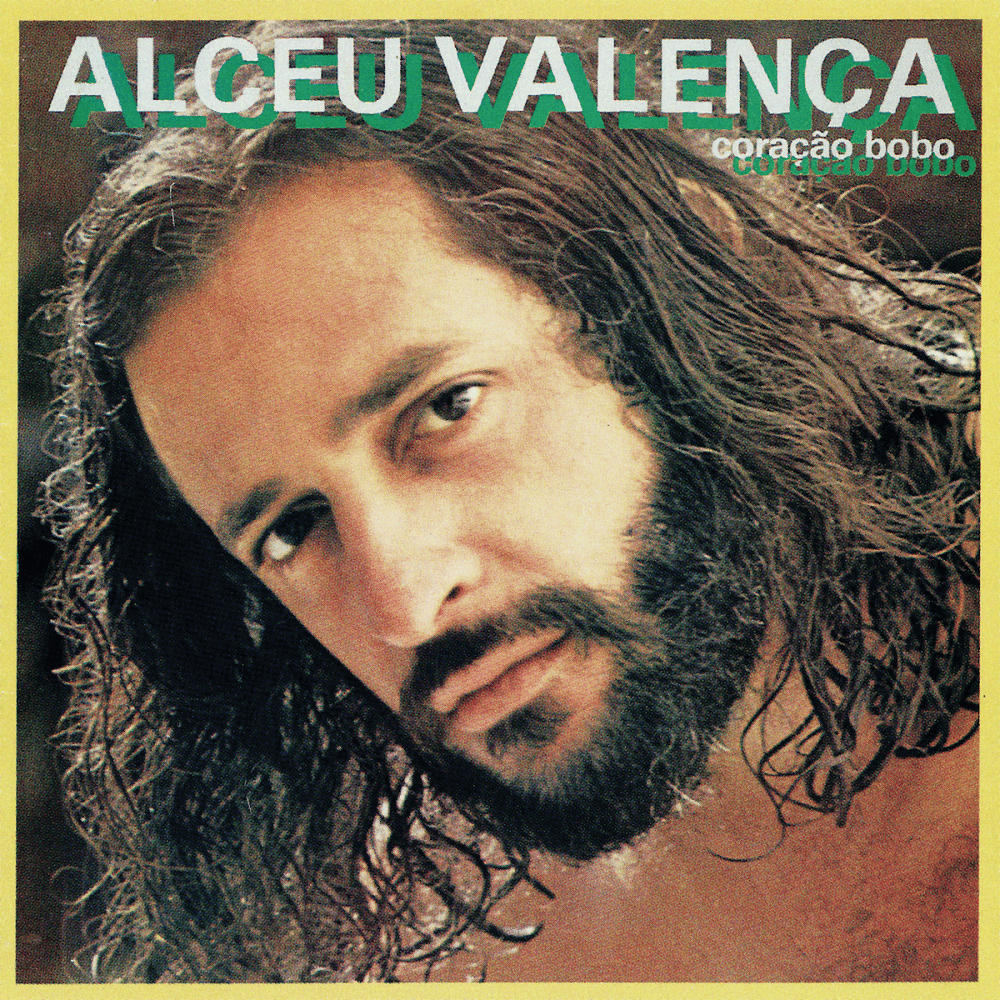
 View Artist