Song Meaning
This track paints a vivid picture of anticipation for a royal arrival. The narrator is summoned to the Municipal Palace, tasked with greeting the Queen as she disembarks from Portugal. The air is thick with excitement, a palpable sense of occasion building as the "Queen of Tamba" is announced. It’s a moment of significant cultural convergence, preparing for a grand celebration.
The lyrics immediately establish a festive, almost reverent atmosphere. The call to "saravá" (a term of reverence and greeting) and the mention of instruments like the "pandeiro, é viola, é maracá" signal a joyous musical welcome. This isn't just a political greeting; it's a cultural event, a communal dance where the Queen herself "quer sambar." The arrival signifies more than just a person; it represents a connection, a bringing together of different peoples and traditions.
The true richness emerges in the depiction of the diverse attendees. The lyrics proudly state that "gente de Moçambique / E de Loanda também vem," and that "Meu povo chegou de Angola." This highlights a powerful sense of shared heritage and diaspora, with people arriving from various parts of Africa to witness this event. The phrase "Na hora de Deus, amém" adds a spiritual dimension, suggesting this gathering is divinely ordained or a moment of profound significance for the community.
What makes these lyrics resonate is their ability to capture a specific historical and cultural moment with such celebratory energy. The simple narrative of a queen's arrival is elevated by the inclusion of diverse African peoples and the promise of music and dance. It’s a powerful evocation of unity and homecoming, where the arrival of royalty becomes a catalyst for celebrating a shared identity and history.
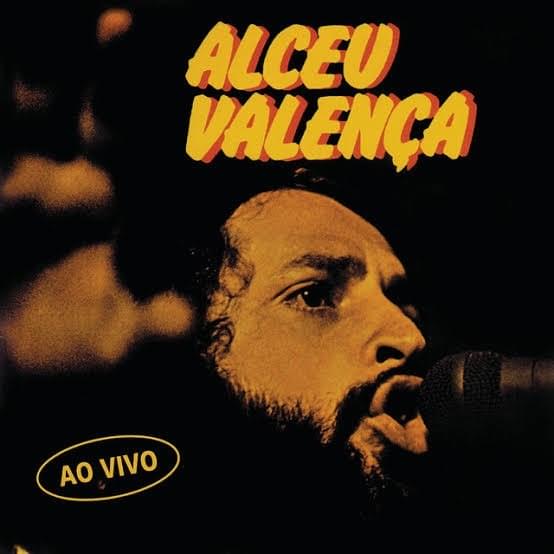
 View Artist