Song Meaning
The lyrics paint a vivid picture of a heart beating in time with the rhythm of forró music, transforming a physical sensation into a profound connection to a cultural space. The repetitive "dum, dum, dum" isn't just a sound; it's the "zabumba batucando no forró," a direct equation of internal feeling with external musical expression. This establishes a joyful, almost visceral, embrace of life through dance and music, where the "compasso do meu peito" dictates the "forrobodó."
This connection deepens as the narrator declares, "Meu forró é meu canto," positioning this musical and social gathering as their sanctuary and place of belonging. It's where "meu povo" shares "os segredos da vida," suggesting a communal wisdom and shared experience found within the forró. The lyrics then pivot to a series of rhetorical questions that acknowledge universal human struggles: "Quem não amou, quem não viveu / Quem não chorou, quem não sofreu." These questions, while highlighting hardship, are framed by the context of the forró, implying that these shared pains are processed and perhaps even transcended within this cultural space.
The most striking element is the extended metaphor comparing life itself to a forró: "A nossa vida é como se fosse um forró." This elevates the music and dance beyond mere entertainment, presenting it as a fundamental framework for understanding existence. The "saudade que amargou que nem jiló" and the "coraçao que bateu tanto que fez dó" are not presented as reasons to despair, but as experiences that are part of the complex rhythm of life, much like the varied beats within a forró song. The lyrics suggest that embracing the forró is akin to embracing the full spectrum of life's joys and sorrows, finding solace and expression in its unique cadence.
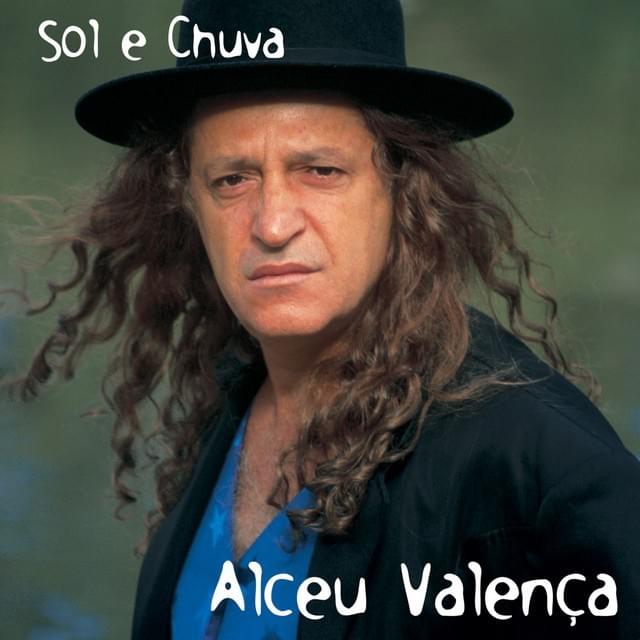
 View Artist