Song Meaning
The lyrics present a cyclical, almost philosophical riddle, starting with a simple directive: "You should guess." This initial prompt immediately sets up a game of discovery, hinting that layers of meaning lie beneath the surface of familiar things. The repeated structure, "behind X was Y," builds a chain of revelation, moving from the immediate "samba" to the more foundational "semba," then to the ancestral "Africa," and finally to the historically loaded "sugar." This progression suggests a deep dive into origins and interconnectedness.
The core tension emerges from the contrast between sweetness and bitterness, articulated through the repetition of "sweet, sweet, sweet like honey / sweet, sweet, sweet like gall." This juxtaposition highlights the dual nature of experiences and histories, where pleasure and pain are inextricably linked. The narrator’s disbelief, "I don't believe it / There's no mystery," followed by the assertion that "the old is new / the new is old," directly confronts the listener with the idea that perceived novelty often masks ancient patterns. This circularity is perfectly encapsulated by the iconic paradox: "It's like the egg / And the chicken."
The most striking craft element is the relentless, almost incantatory repetition of "Você devia / Deveria advinhar" (You should / Should guess) and the "doce doce doce" (sweet sweet sweet) phrase. This repetition hammers home the central theme of uncovering hidden truths and the inherent duality of existence. The final lines, "The fault is ours / The fault is mine," shift the perspective from abstract observation to personal responsibility, implying that understanding these cycles and their often bitter consequences is a collective and individual burden.
These lyrics resonate because they tap into a fundamental human desire to understand origins and causality, while simultaneously acknowledging the inherent complexity and often uncomfortable truths that such inquiry reveals. The song doesn't offer easy answers but instead invites contemplation on the cyclical nature of history, culture, and personal experience, leaving the listener with a sense of shared accountability for the present state of things.
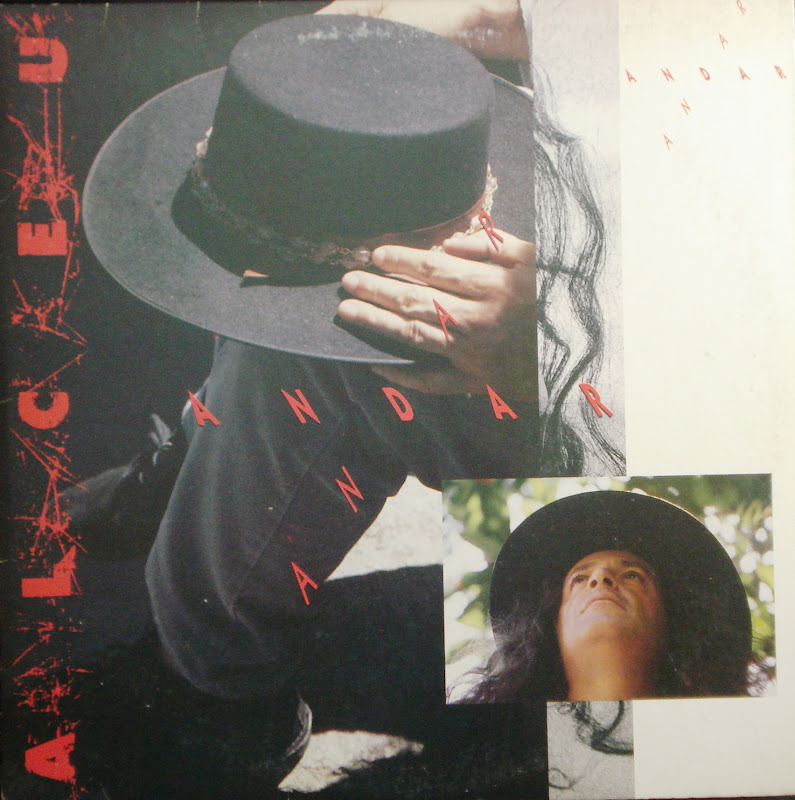
 View Artist