Song Meaning
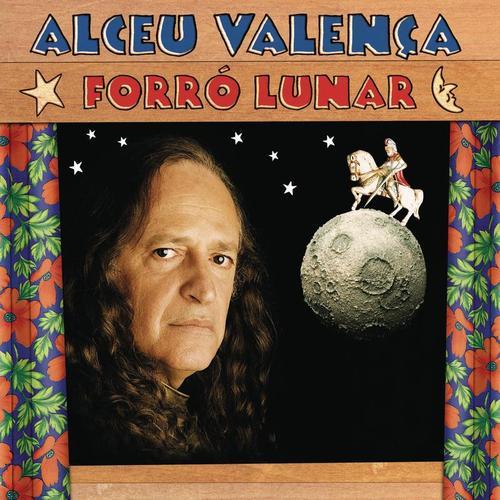
The lyrics paint a vivid picture of an escape to Olinda, a place where love and dreams intertwine with the sounds of Dona Selma singing at the "Forró Lunar." This sets a scene of romantic escapism, grounded in a specific cultural context. The immediate tone is one of hopeful anticipation and a desire for a simpler, more passionate existence.
The imagery shifts to a celestial battle, with "São Jorge" fighting a dragon under the "lua" (moon), his "espada de ouro" (golden sword) a beacon in the dark. This powerful, almost mythical, vision suggests a struggle against adversity or darkness, perhaps mirroring internal or external challenges the narrator wishes to overcome. The "lua cheia" (full moon) then signifies renewal and "nova e pura paixão" (new and pure passion), linking the cosmic to the personal.
The lyrics weave in cultural touchstones, referencing "Chapéu de Gonzagão" and "Luiz Lua Gonzaga," a clear nod to the iconic Brazilian musician Luiz Gonzaga, known as the "King of Baião." This connection elevates the experience beyond personal fantasy, grounding it in a rich musical heritage. The mention of "São Luiz sanfoneiro" (Saint Louis accordionist) further emphasizes this, invoking a spiritual and musical lineage that brings blessings of "trabalho e pão" (work and bread), "festa, amor e saúde" (party, love, and health) for the entire nation.
 View Artist