Song Meaning
The lyrics paint a picture of a passionate, almost illicit love affair, immediately setting a tone of intense desire. The repeated "Balanciê" acts as a rhythmic anchor, a chant that underscores the central theme of swaying, of movement, and perhaps of a precarious balance in this relationship. This isn't a gentle romance; it's described with a "sabor de pecado," hinting at forbidden or overwhelming feelings that are both exhilarating and potentially dangerous. The imagery of fruits like "juá, de cajá, de caju" adds a tropical, sensual richness, grounding the abstract idea of sin in tangible, sweet, and perhaps intoxicating flavors.
The core tension arises from the cyclical nature of love and desire, explicitly stated as "O amor é isso, vai e vem." This ebb and flow is mirrored in the physical imagery of the "rede" (hammock) and the "balanço de rede" (hammock sway). The narrator seems to acknowledge that such intense connections are not static; they are inherently transient, moving like a hammock in motion. The phrase "Ninguém mexe melhor do que tu" suggests a unique, almost unparalleled connection with the beloved, making the inevitable coming and going of love even more poignant.
The most striking craft element is the pervasive use of "balanciê" and the related imagery of swaying and movement. It’s not just a word; it’s the sonic and thematic heart of the piece, evoking the physical act of rocking in a hammock, the push and pull of a passionate embrace, and the unsteady footing of a love that is deeply felt but perhaps not entirely stable. This repetition and thematic focus create a hypnotic effect, drawing the listener into the rhythm of the relationship itself.
Ultimately, the effectiveness of these lyrics lies in their ability to capture the intoxicating, yet inherently unstable, nature of intense passion. The blend of sensual imagery, the acknowledgment of love's transient quality, and the hypnotic repetition of "balanciê" combine to create a feeling that is both deeply personal and universally understood. It’s the sound of a love that’s all-consuming in its moment, even as it acknowledges its own impermanence.
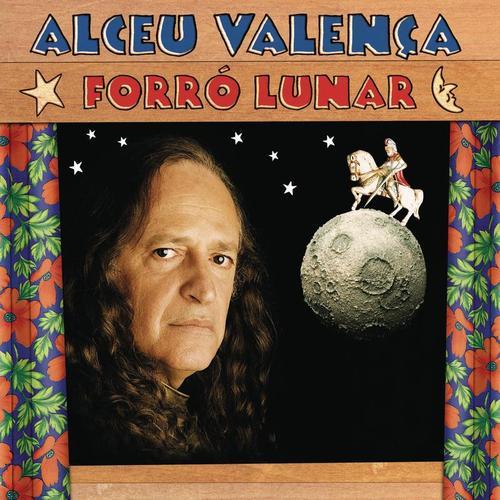
 View Artist