Song Meaning
The lyrics paint a picture of a futile, cyclical escape. The narrator urges someone, "Corra, ponha os pés nessa estrada / Que não vai dar em nada," suggesting a path leading nowhere, a repeated, pointless endeavor. This sets a tone of resignation, a weary acknowledgment that the effort is ultimately meaningless, yet the action continues.
The central tension lies in the push and pull between fleeing and returning. The repeated "Andar, andar, fugir assim / Andar, andar, volta pra mim" captures this internal conflict. It's a dance of avoidance and longing, where the act of running away is immediately countered by a plea to come back, highlighting a deep-seated desire for connection despite the perceived futility of the journey.
The imagery of "Ovelha Dolly, Dolly" is particularly striking, suggesting a sense of being cloned or replicated, a loss of individuality in the act of escape. This "clonada" or "gelada" persona, described as "tola, mal educada," seems to be a defense mechanism, a way to detach or perhaps to fulfill a role that prevents genuine engagement. The contrast between this detached, "clonada" self and the plea to "volta pra mim" underscores the emotional distance being created.
This lyrical construction is effective because it mirrors the frustrating experience of being stuck in a loop. The repetition of phrases and the cyclical narrative create a sense of being trapped, making the listener feel the weight of this unresolved tension. The narrator’s contradictory commands – to run away but also to return – reveal a complex emotional landscape where escape and belonging are in constant, unresolved conflict.
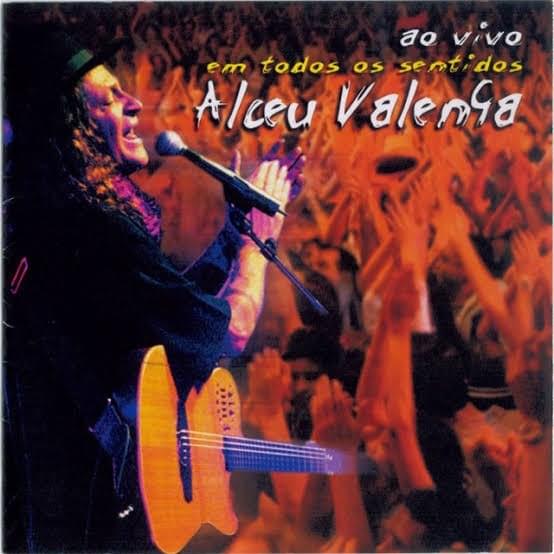
 View Artist