Song Meaning
The lyrics paint a stark picture of a love that has withered and lost its vitality. The opening lines immediately establish a tone of profound sadness and exhaustion, with the narrator feeling utterly empty. This isn't a sudden collapse, but a slow decay, a fading away that leaves behind only weariness and a sense of desolation. The repetition of "definhou" (withered/decayed) hammers home this sense of decline.
The central tension lies in the transformation of what was once vibrant into something diminished and lifeless. The powerful metaphor of love as a vast sea shrinking to a lake, and then a river's arm, vividly illustrates this loss of scale and depth. It suggests a once-boundless passion has become confined and stagnant, a shadow of its former self. The phrase "perdeu o cio" (lost its heat/lust/rut) directly points to a loss of passion and primal energy.
The craft here is in the relentless accumulation of images of decay and disintegration. Love is described as a "nó desatado" (unraveled knot) made of barbed wire, a sharp, painful image that contrasts with the expected comfort of connection. It's also a "ponta de espinho" (thorn tip), a small but piercing source of pain. The final stanza introduces a sense of inherent instability, calling the love an "unraveled knot" and a "derailed train," suggesting it was always precarious, a chaotic journey between two points that never truly arrived.
This lyrical construction is effective because it grounds the abstract feeling of a dying love in concrete, visceral imagery. The progression from a vast sea to a stagnant river arm, and from a secure knot to barbed wire, creates a powerful emotional arc of loss and pain. The repeated, almost chant-like "definhou, definhou, definhou / Perdeu o cio" reinforces the inescapable reality of this decline, leaving the listener with a profound sense of melancholy and the quiet devastation of a love that has simply ceased to be.
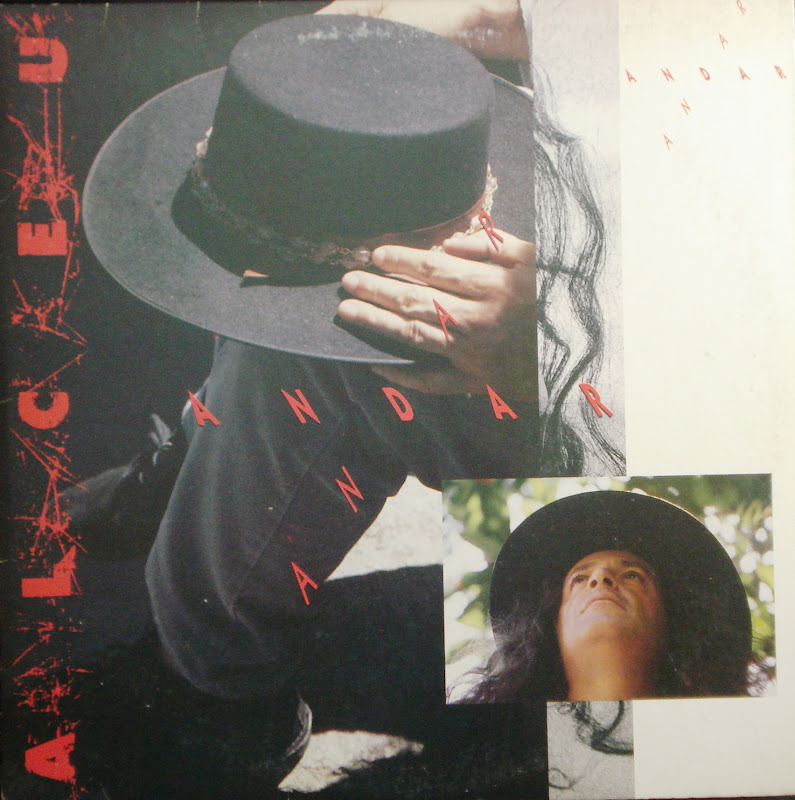
 View Artist