Song Meaning
The narrator paints a picture of a simple, almost childlike desire for connection, imagining a carefree outing "chutando pedras, latas de lixo." This imagined escape requires the object of affection to set aside her current concerns, symbolized by "seu lenço branco, seu resfriado." It’s a plea for spontaneous abandon, a wish for her to prioritize a shared moment over her immediate circumstances.
The core tension lies in the contrast between this yearning for simple togetherness and the perceived distance created by others. The lyrics suggest a self-imposed isolation, stating "as pessoas sem querer se escondem / Muito mais longe da linha do olhar." This implies a barrier not necessarily erected by the narrator, but by the other person's own hesitations or external pressures.
The most striking imagery comes with the metaphor of "barcos brancos / Com medo do vento, do movimento." These boats, meant for traversing the sea, are paralyzed by the very elements they are designed to navigate. This powerfully conveys a sense of stagnation and fear of change or engagement, mirroring the reluctance to step away from the comfort of the shore or the safety of inaction.
This reluctance to engage, this fear of the "vento, do movimento," is precisely what makes the narrator's simple wish so poignant. The lyrics resonate because they capture the frustration of wanting to break through a self-imposed, quiet resistance, highlighting how easily genuine connection can be stalled by an unspoken, internal hesitation.
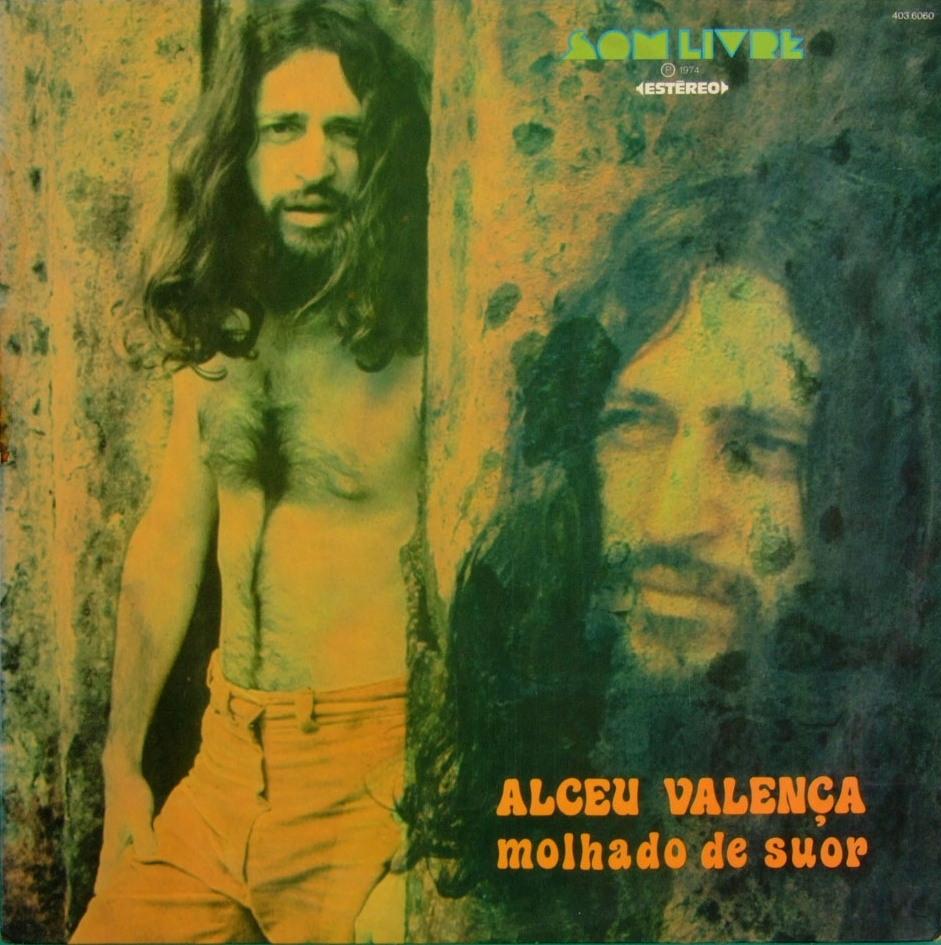
 View Artist