Song Meaning
This song paints a picture of a love offered with a striking lack of guarantees, yet brimming with profound commitment. The narrator promises the sun, but only "if the sun comes out," or the rain, "if the rain falls." This conditional offering highlights a deep acceptance of whatever circumstances may arise, framing the love not as a force that controls the weather, but one that endures within it. It’s a love that shows up, no matter what.
The central tension lies in this blend of absolute devotion and absolute uncertainty. The narrator is ready to go "wherever we arrive," be it a seaside plaza or "any old place," emphasizing a willingness to embrace any future. The core promise isn't about controlling outcomes, but about unwavering presence: "if you want and come with me, for whatever comes and goes with me." This suggests a partnership built on shared experience rather than predetermined success.
The most compelling lyrical device is the recurring phrase "neste dia branco, se branco ele for" (on this white day, if white it is). The "white day" itself is undefined, its whiteness contingent on whether it actually *is* white. This ambiguity amplifies the narrator's commitment; the love is so immense, "this much, this great love," that it exists and is declared even when the very definition of the day is in question. It’s a love that declares itself against a backdrop of potential emptiness or undefined potential.
Ultimately, the lyrics resonate because they articulate a mature, grounded form of affection. It’s not about grand pronouncements of eternal sunshine, but about the quiet, powerful act of choosing to be present, to share the journey, and to love fully, regardless of whether the sky is clear or cloudy. The beauty lies in the shared vulnerability and the steadfast promise to face whatever comes, together.
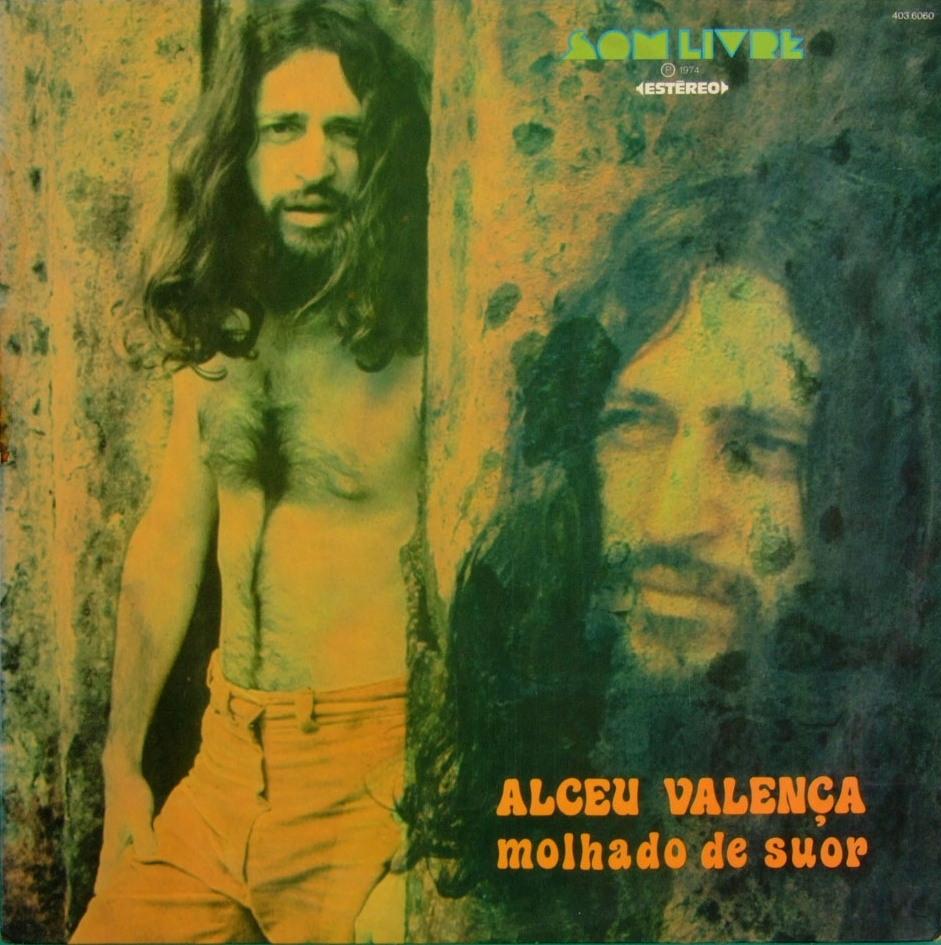
 View Artist