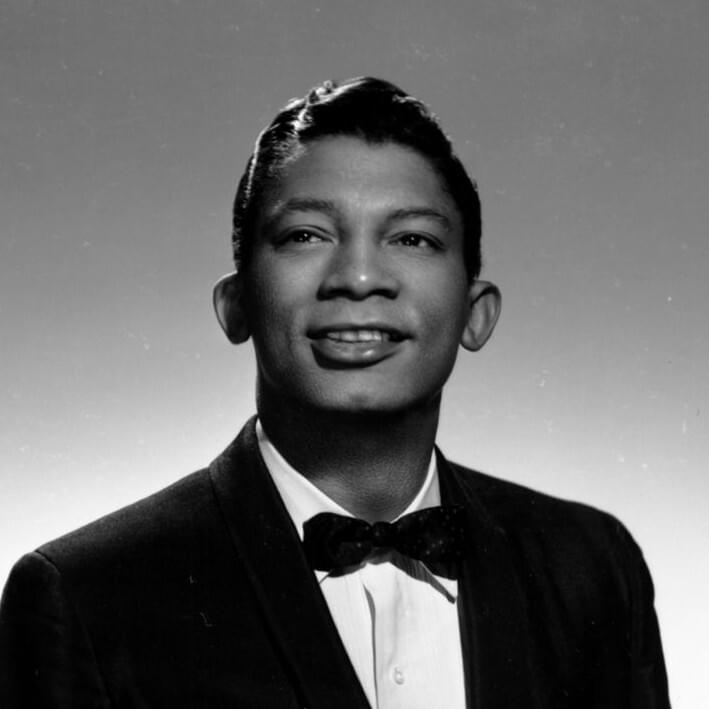
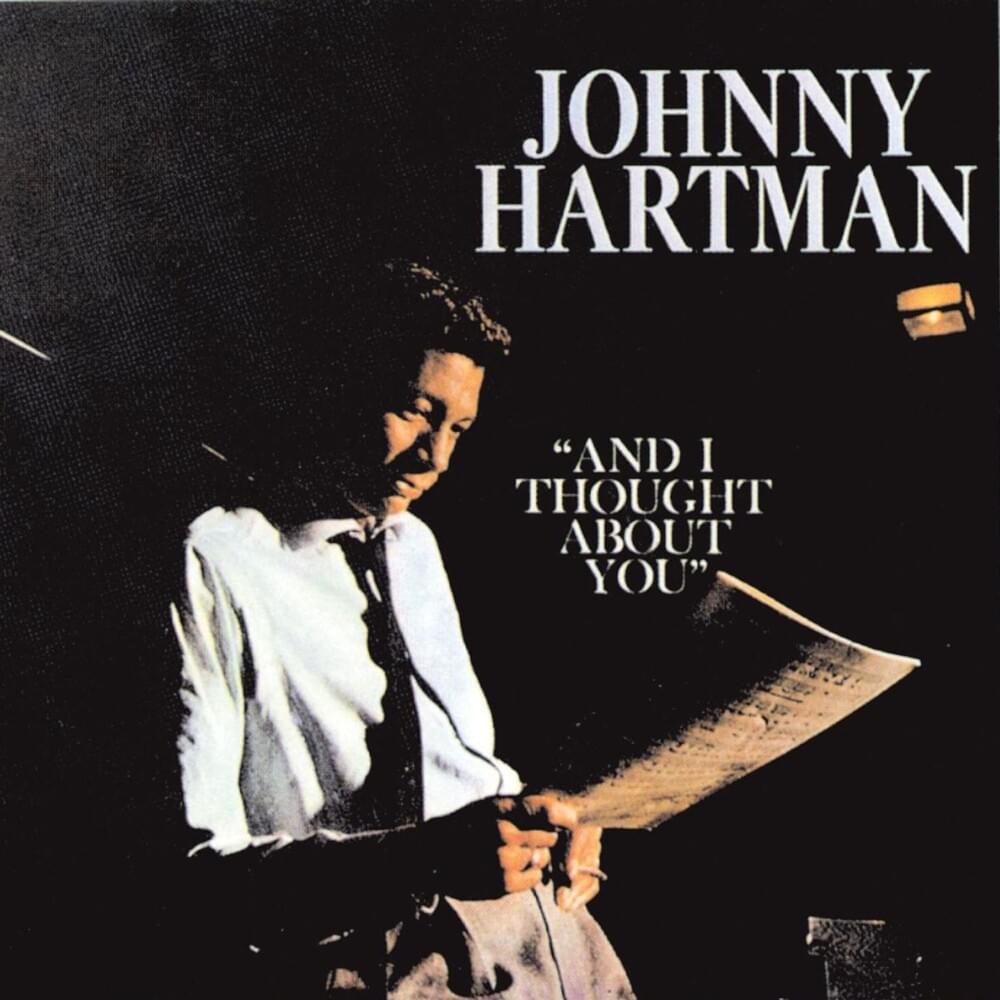
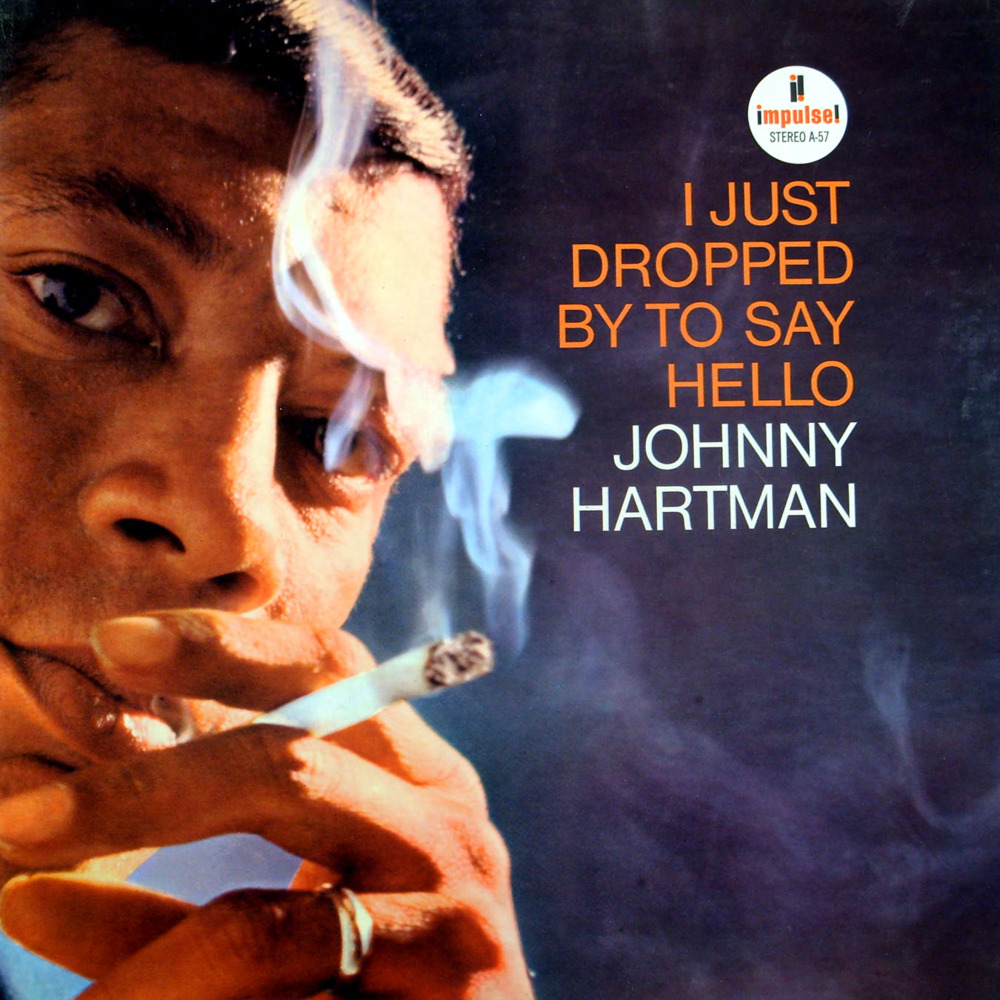
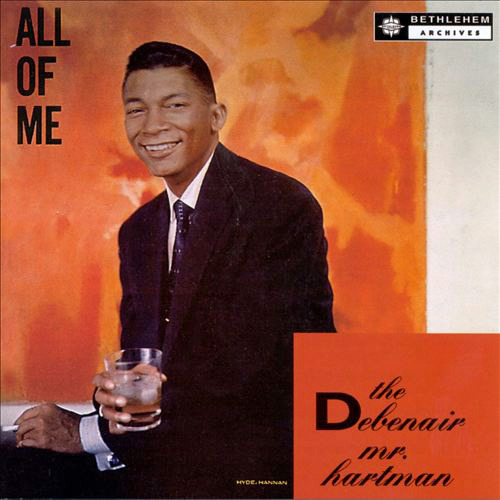
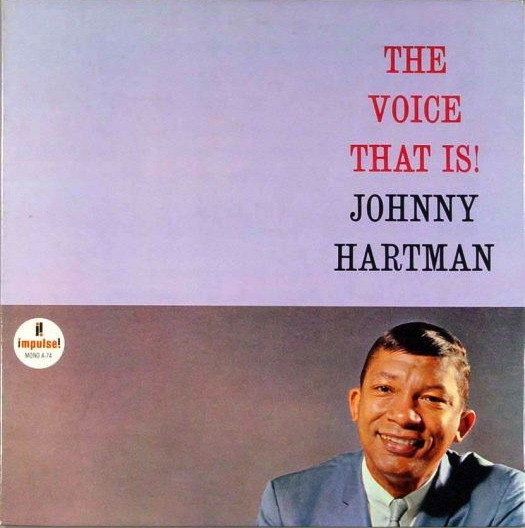
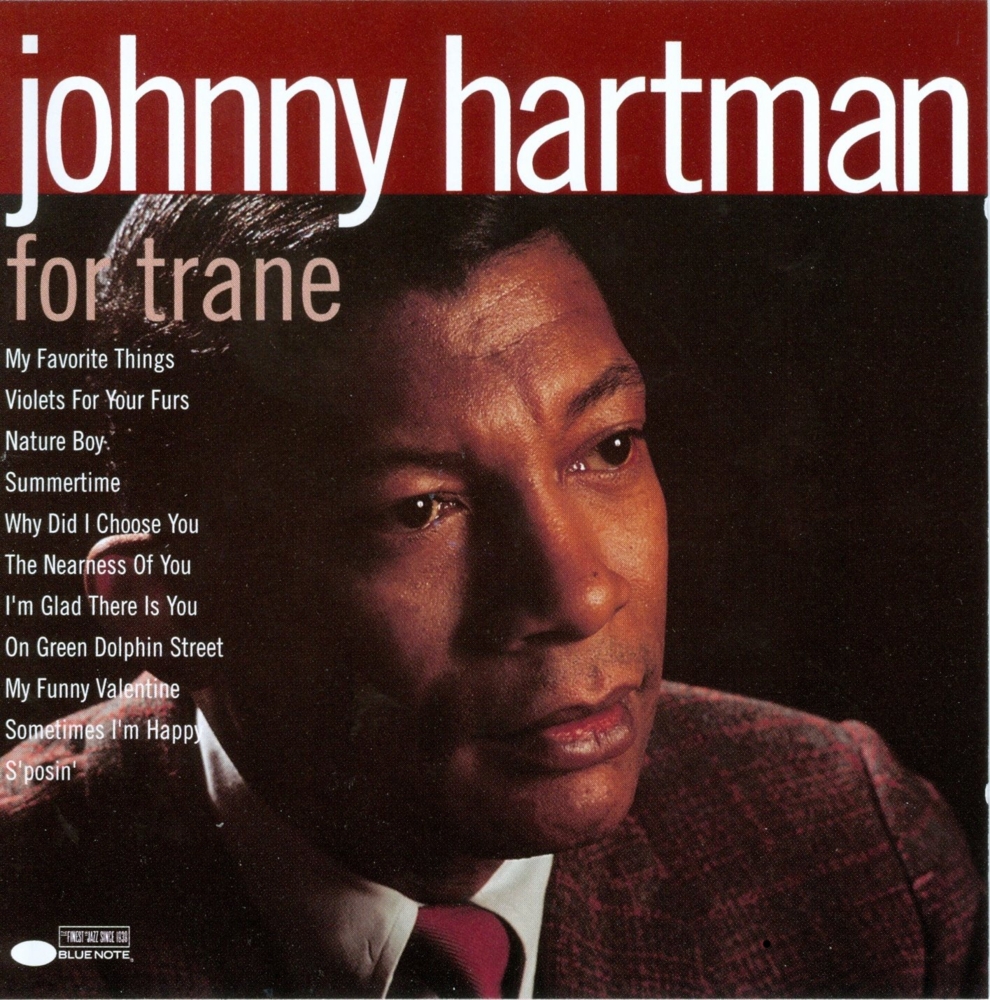
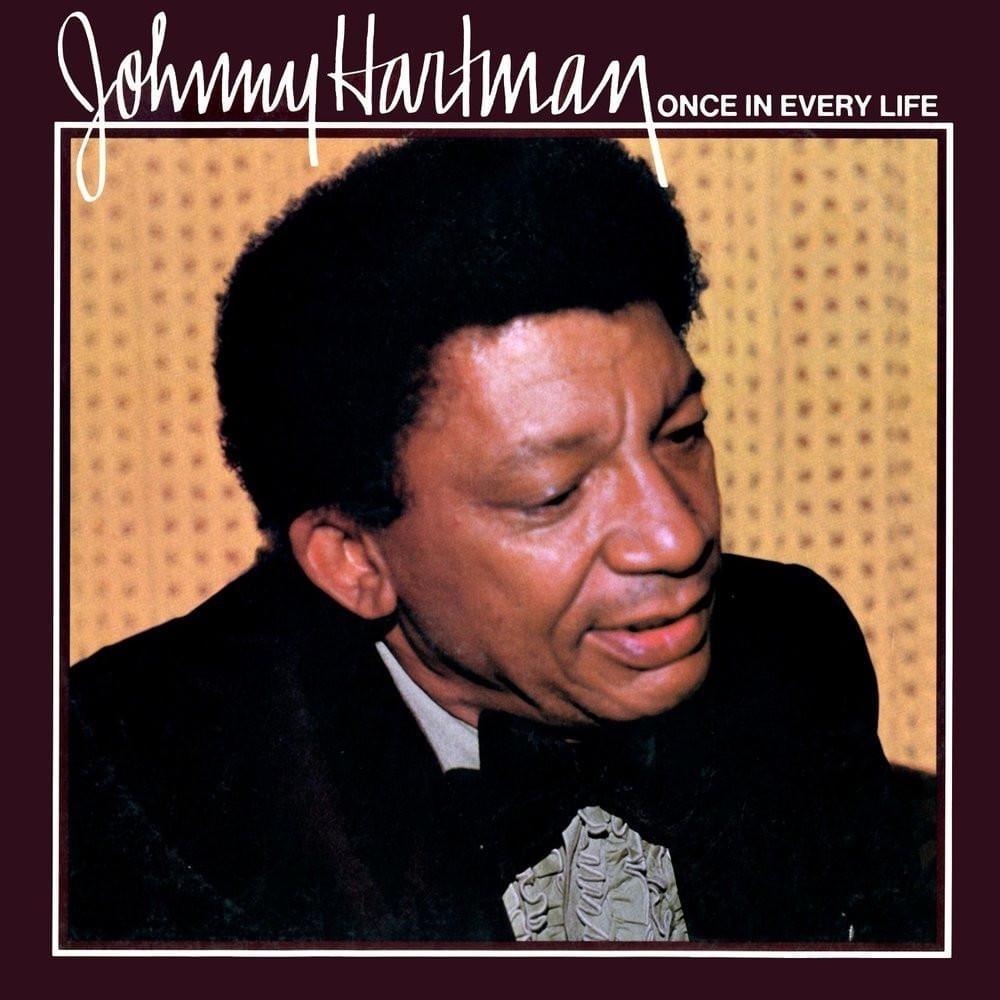
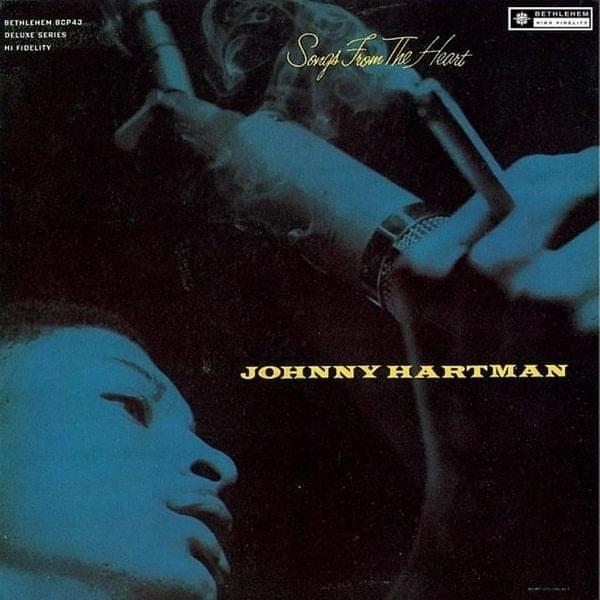
Johnny Hartman, a name synonymous with velvet vocals and timeless elegance, remains a captivating figure in the world of pop music. Born in Louisiana and raised in Chicago, Hartman's journey began with a scholarship to the Chicago Musical College, setting the stage for a career marked by refined artistry and emotional depth. His baritone voice, rich and warm, possessed a unique ability to convey both vulnerability and strength, drawing listeners into a world of romance and introspection. While often categorized within jazz circles, Hartman's appeal transcended genre boundaries, resonating with anyone who appreciated exceptional vocal talent and heartfelt expression.
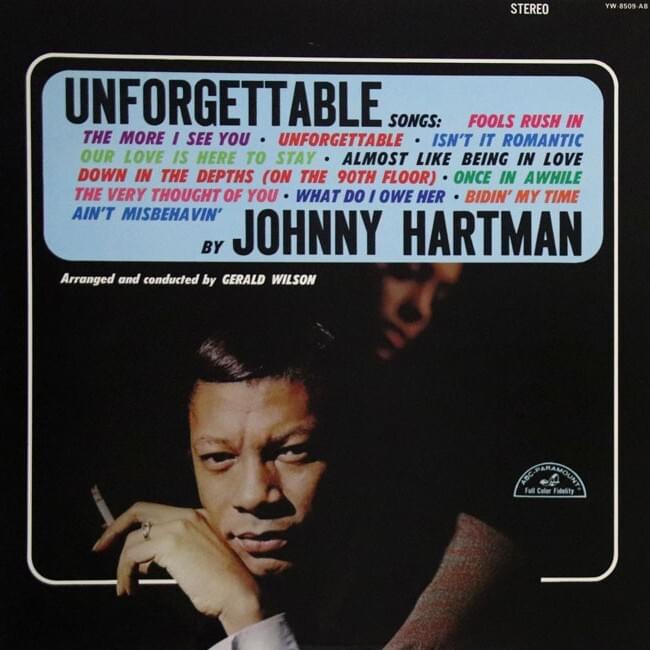
Hartman's early career saw him performing with Earl Hines, a pivotal experience that honed his skills and exposed him to a wider audience. However, it was his solo work that truly cemented his legacy. He had a knack for selecting songs that perfectly suited his vocal style, transforming each piece into a personal narrative. Consider The More I See You, a timeless classic that Hartman imbues with a particular tenderness. His interpretations were never mere renditions; they were deeply felt expressions of the human experience.
Despite critical acclaim, mainstream success proved elusive for Hartman during the height of his career. While other vocalists enjoyed chart-topping hits, Hartman remained a connoisseur's choice, appreciated by those who sought depth and nuance over fleeting trends. This perhaps contributed to the enduring quality of his music; it wasn't tailored for a specific moment but crafted for lasting appreciation. There's a timeless quality to his delivery that allows his songs to resonate across generations.
Hartman’s ability to find the emotional core of a song made him a master interpreter. He didn't just sing the notes; he lived the lyrics. Take, for example, Don't You Know I Care; the song is transformed from a simple ballad into a poignant expression of longing. And in How Sweet It Is To Be In Love, Hartman encapsulates the simple joy of being with someone you love. He had an innate ability to connect with the listener on a profoundly personal level.
Even in tracks like Our Time, there is an underlying sense of drama and tension in the best possible way. His phrasing was impeccable, his control absolute. He never over-sang or resorted to cheap theatrics; instead, he relied on the power of his voice and the sincerity of his delivery. Hartman's legacy extends beyond individual tracks; it encompasses a commitment to artistic integrity and a dedication to the craft of singing. Even a song like Stairway To The Stars, showcases his ability to make a song his own.
Johnny Hartman may not have achieved widespread fame in his lifetime, but his music continues to inspire and captivate. His voice, a soothing balm for the soul, remains a testament to the power of understated elegance and genuine artistry.