Song Meaning
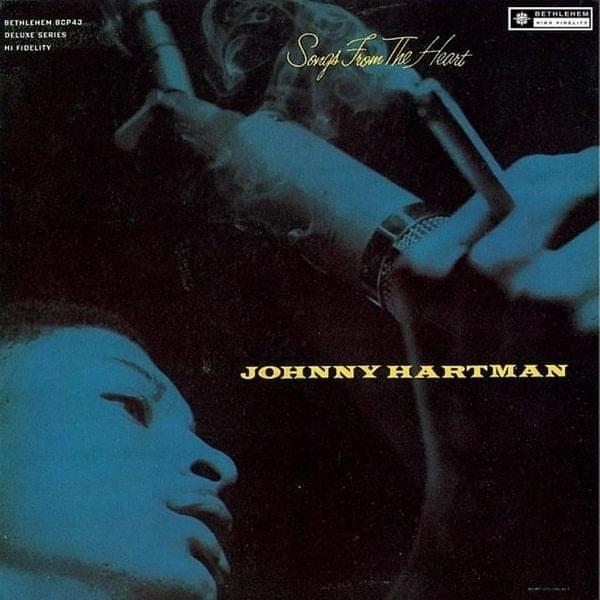
Johnny Hartman's "I'll Remember April" isn't just a nostalgic glance backward; it's a masterclass in bittersweet acceptance. The song meaning resides not in lamenting lost love, but in actively choosing to cherish the memory of it. April, the burgeoning promise of spring, becomes a potent symbol for a relationship that, though finite, offered genuine warmth and connection. The lyrics paint a picture of impending separation, a "goodbye to all we ever had," yet the prevailing sentiment is one of gratitude rather than despair. Hartman's genius lies in conveying a quiet strength, a deliberate act of emotional preservation. He understands that love, like a flame, is ephemeral ("flames and love live such a little while"), but its embers can continue to glow within us.
The psychological underpinnings of "I'll Remember April" are fascinating. The speaker isn't clinging to a fantasy; they're acknowledging the reality of the situation while simultaneously extracting the positive elements. This is a mature form of emotional processing – reframing loss as a valuable experience. The lyrics, "I'll be content you loved me once in April," speak volumes. Contentment isn't passive; it's an active choice to find peace in what *was*, rather than dwelling on what *could have been*. There's a conscious decision to avoid the trap of melancholic longing, a refusal to let autumn's sorrow overshadow the memory of April's joy.
Ultimately, the song is a testament to the resilience of the human heart. The final lines, "I won't forget but I won't be lonely / I'll remember April and I'll smile," encapsulate this sentiment perfectly. The speaker acknowledges the pain of separation, yet refuses to be defined by it. The act of remembering becomes a source of strength, a way to carry the essence of the relationship forward. "I'll Remember April," in Hartman's masterful interpretation, transforms a potentially devastating experience into a celebration of love's enduring power, a reminder that even in loss, beauty and gratitude can prevail.
 View Artist