Song Meaning
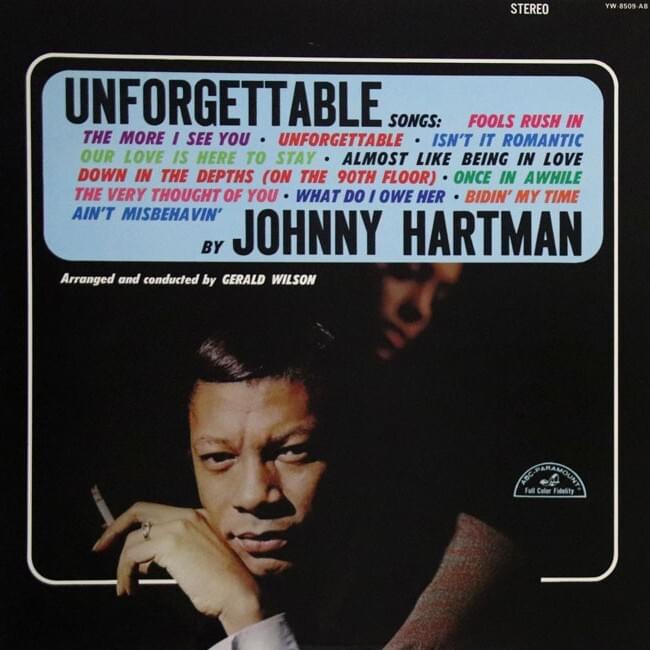
Johnny Hartman's rendition of "Fools Rush In" isn't just a love song; it's a psychological study in the intoxicating power of infatuation versus calculated reason. The core conceit—the fool willingly charging into a situation perceived as dangerous by the cautious and experienced—immediately frames love as a potentially irrational act. Hartman's deep baritone doesn't plead so much as confess, acknowledging the inherent risk while simultaneously embracing it. He understands the asymmetry: that love demands a certain level of vulnerability, a willingness to abandon self-preservation in pursuit of something greater. The opening line, "Fools rush in where angels fear to tread," sets the stage for a narrative where blind faith trumps angelic wisdom.
The song cleverly juxtaposes the 'fool' with the 'wise man,' suggesting that true wisdom might actually preclude the experience of profound love. The lyrics imply a trade-off: safety and knowledge versus the dizzying, transformative potential of romantic connection. "Wise men never, never fall in love, so how are they to know?" Hartman sings, highlighting the experiential gap between observing love from a distance and surrendering to its pull. This isn't just about romantic love, but the potential for transformative experience through risk. The 'fool' is not necessarily unintelligent, but rather someone willing to prioritize emotion and intuition over cold, hard logic.
The repetition of "When we met, I felt my life begin" underscores the life-altering impact of this connection. It's not simply about attraction, but a sense of rebirth, of finding purpose and meaning through another person. The final plea, "Open up your heart and let this fool rush in," isn't just a request; it's an invitation to co-create this new reality, to jointly defy the cautious warnings of the 'wise.' Hartman's delivery imbues the word 'fool' with a sense of self-awareness and almost rebellious pride. He knows the risks, but the potential reward—a life awakened—is worth the leap of faith. It's a powerful statement about the sometimes-necessary foolishness of pursuing genuine connection in a world that often prioritizes safety and detachment.
 View Artist