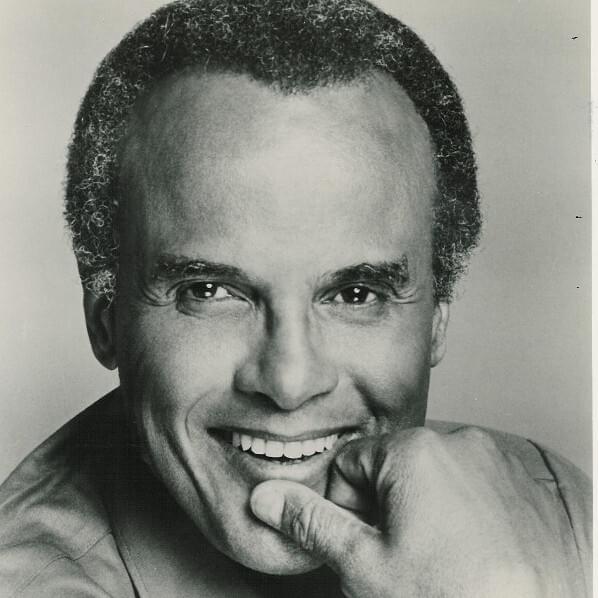
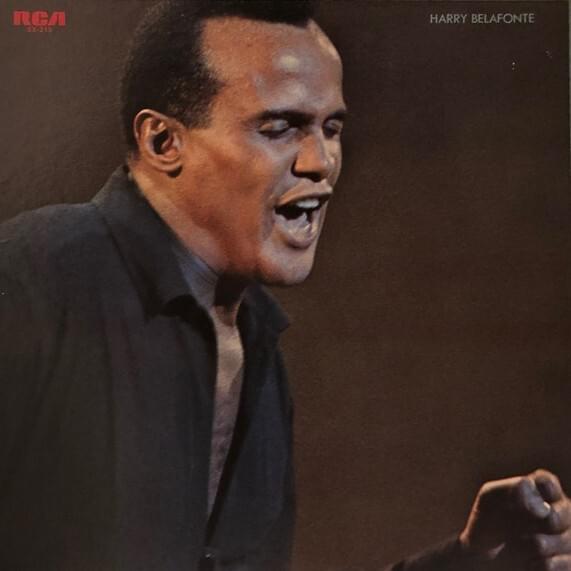
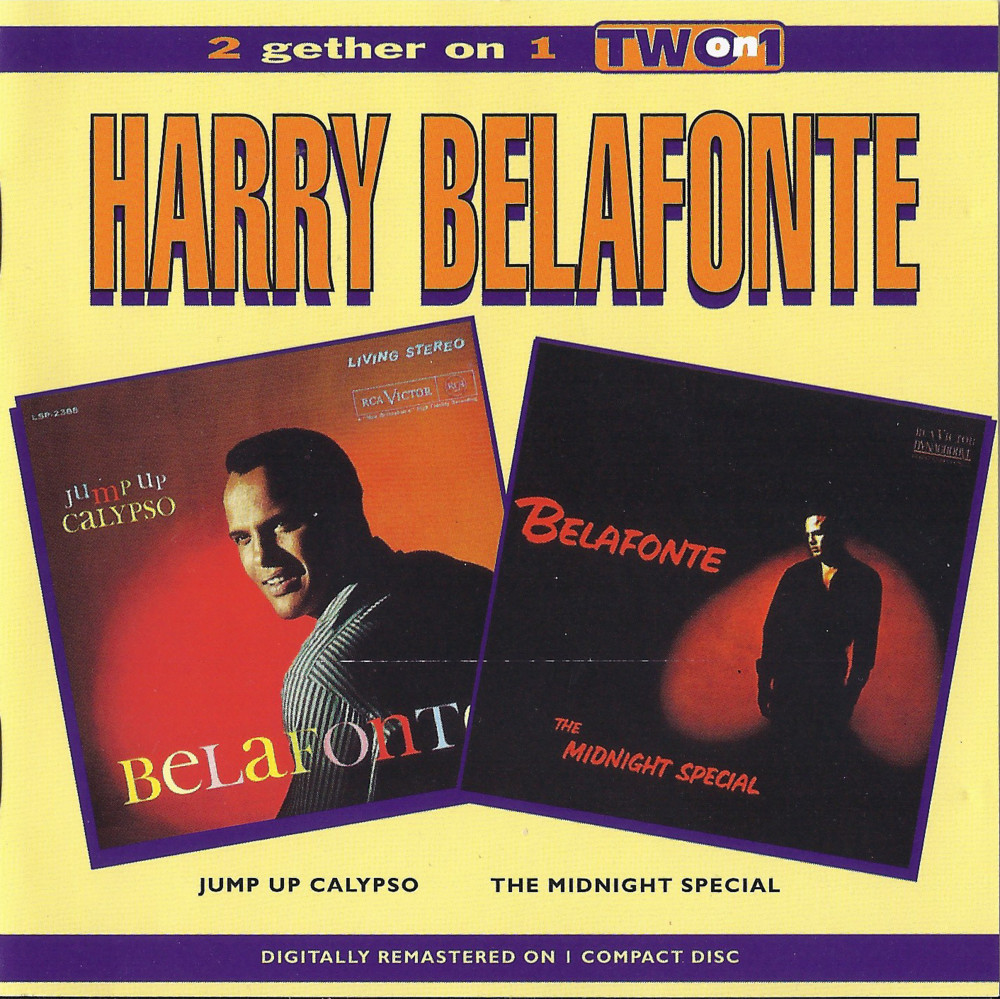
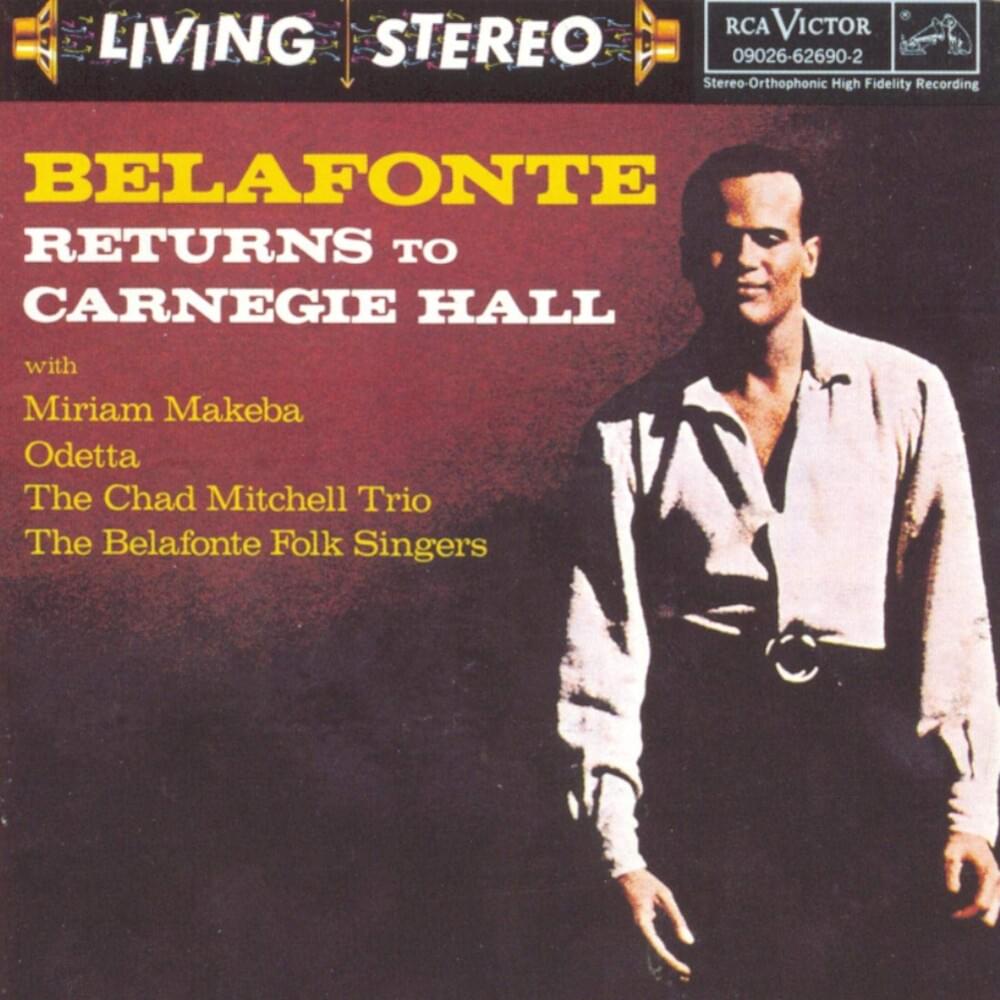
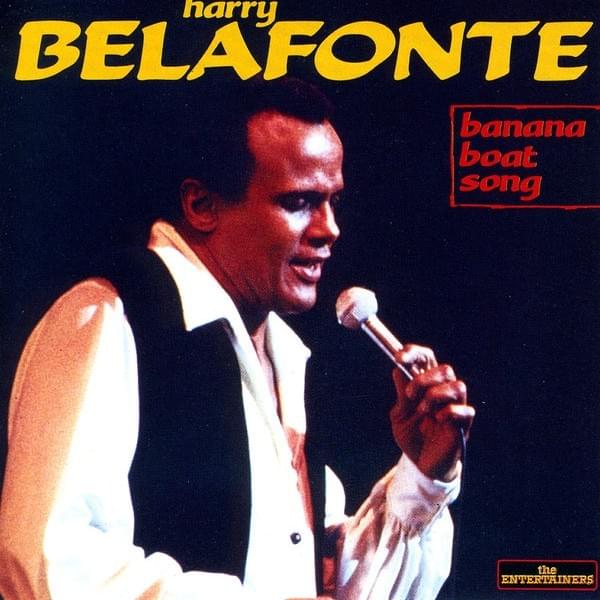
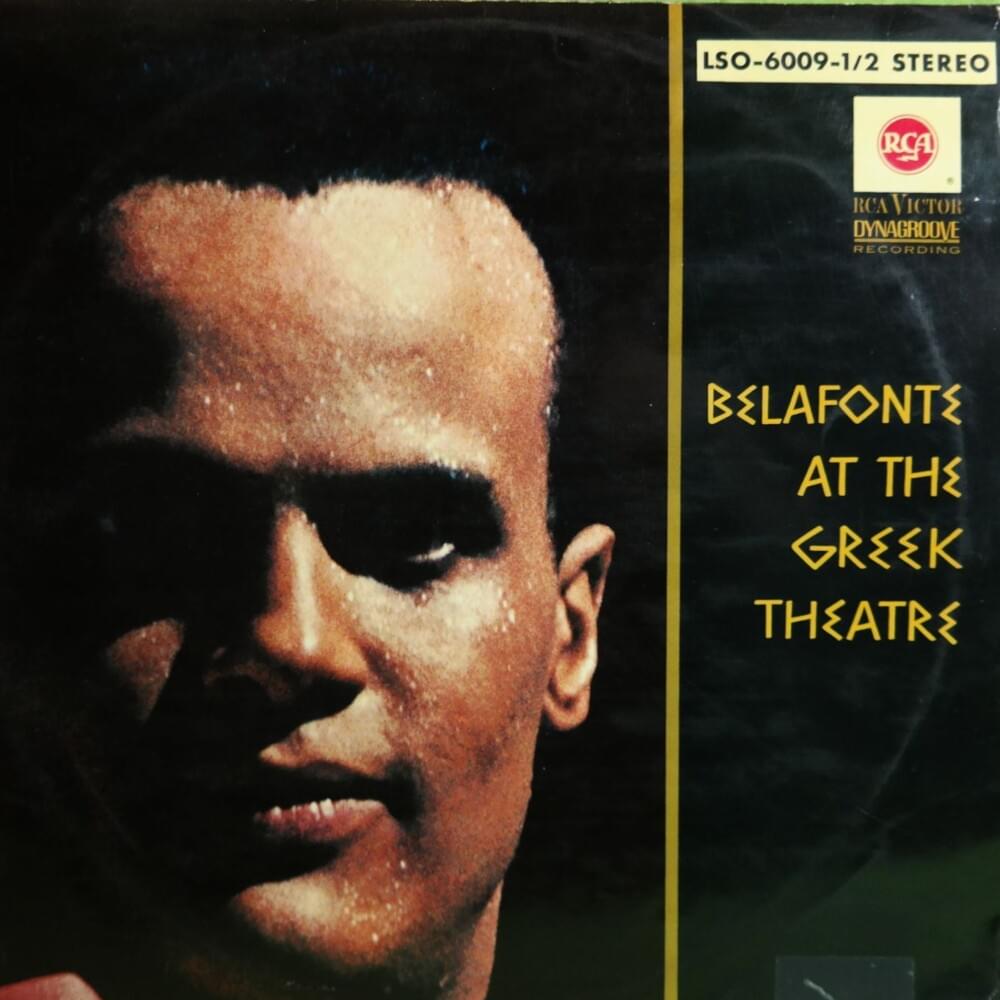
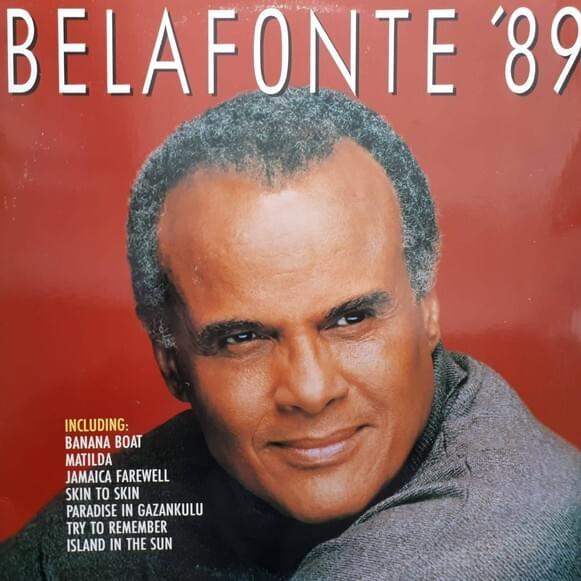
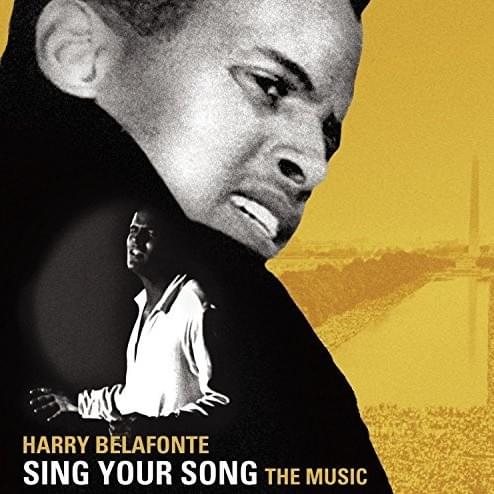
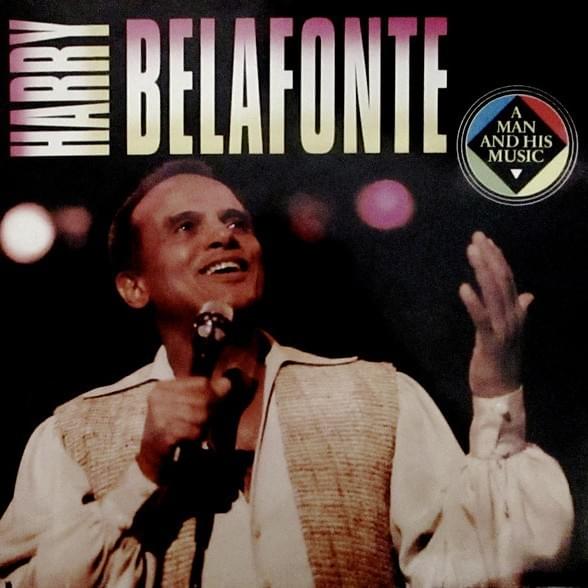
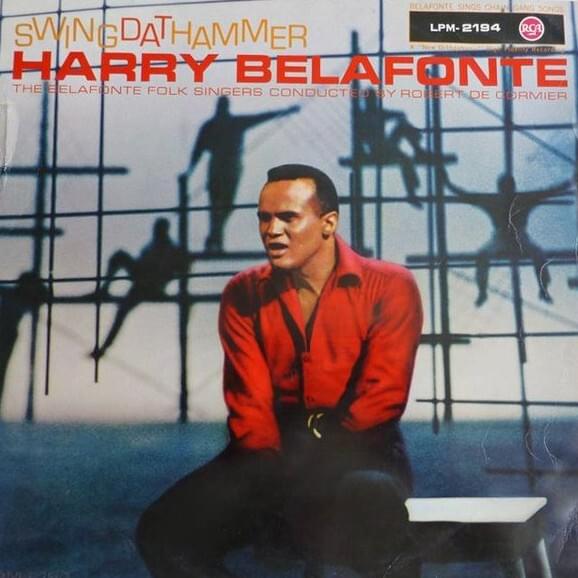
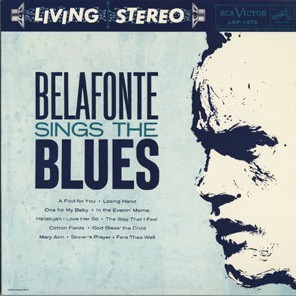
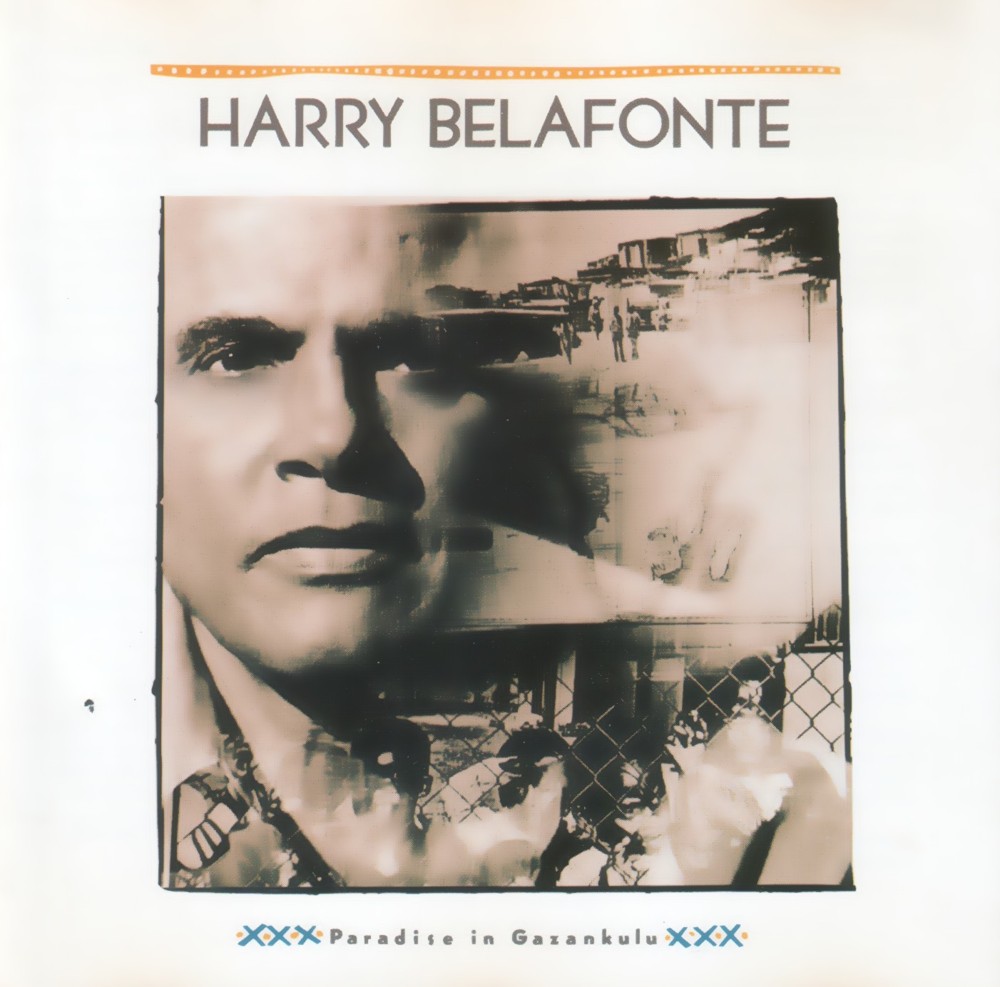
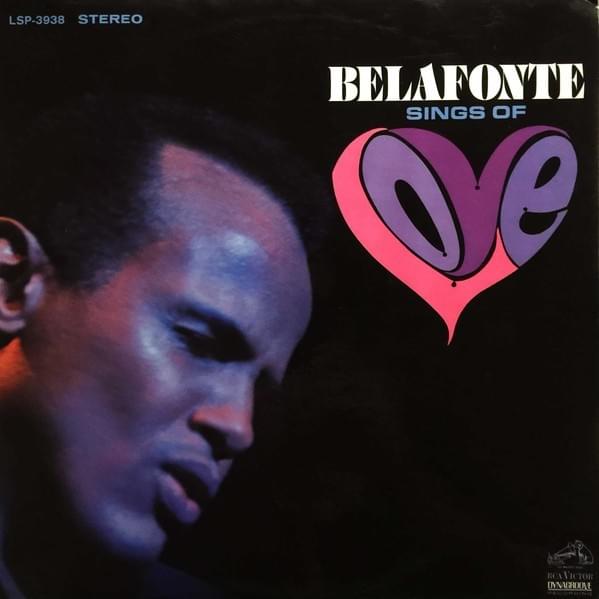
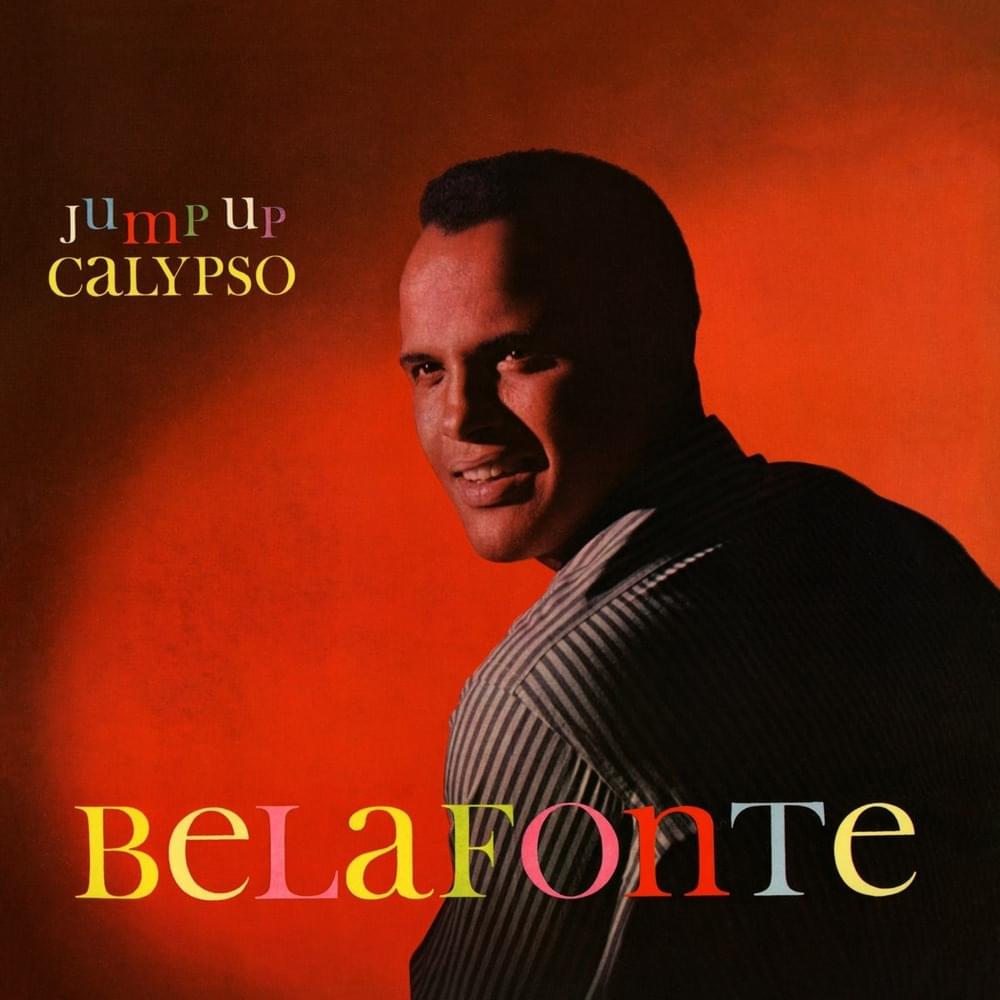
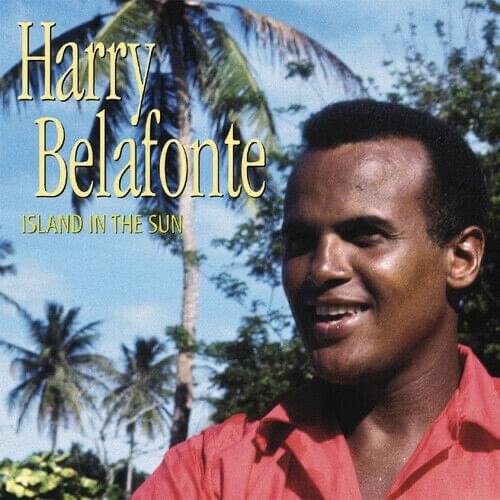
Harry Belafonte, born Harold George Bellanfanti Jr. in Harlem, New York, in 1927, is a name synonymous with the vibrant sounds of calypso, but his artistry extends far beyond a single genre. He was a trailblazer, a cultural icon, and a passionate advocate for civil rights, using his platform to fight for equality and justice. Belafonte's journey began with acting, studying at the Dramatic Workshop of The New School alongside Marlon Brando, Tony Curtis, and Walter Matthau. However, it was music that ultimately captured his heart and propelled him to international stardom.
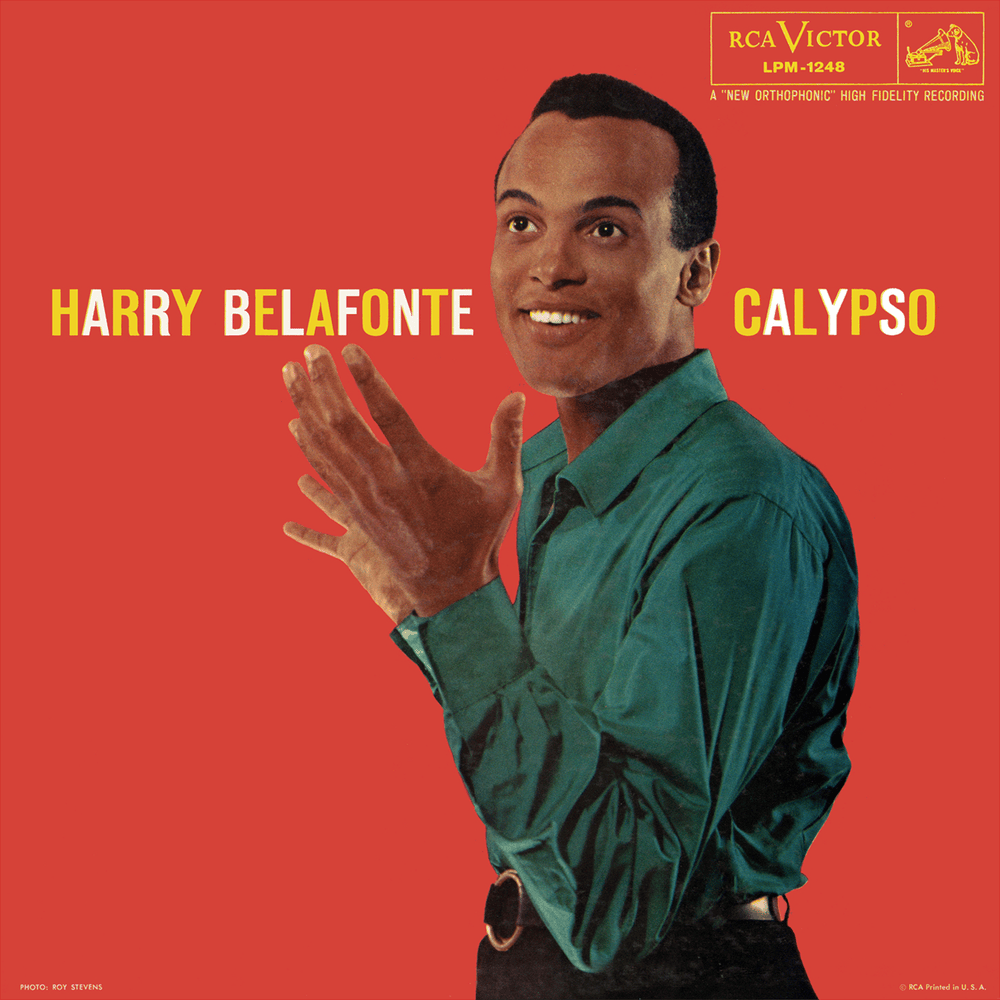
His breakthrough came in the mid-1950s with the album *Calypso*, which became the first album to sell over a million copies. The album's infectious rhythms and Belafonte's charismatic vocals brought Caribbean music to the forefront of American popular culture. While “Day-O (The Banana Boat Song)” remains his signature hit, his repertoire is incredibly diverse, showcasing his versatility as a vocalist. He could effortlessly transition from the playful energy of calypso to the heartfelt emotion of spirituals and folk songs. Consider, for instance, the reverent beauty of Jehovah the Lord Will Provide, a testament to his ability to connect with audiences on a deeply spiritual level.
Beyond his musical achievements, Belafonte was a staunch supporter of the Civil Rights Movement, forging a close friendship with Martin Luther King Jr. He provided financial support for the movement and actively participated in marches and protests. His commitment to social justice was unwavering, and he used his influence to raise awareness about issues of inequality and discrimination. He understood the power of music to transcend cultural barriers and unite people in the pursuit of a common cause. His holiday music is especially captivating, showcasing the warmth and joy he brought to every performance. His rendition of The Twelve Days of Christmas is a classic.
Belafonte's influence extends beyond music and activism. He was also a successful actor, starring in films such as *Carmen Jones* and *Island in the Sun*. He used his visibility in Hollywood to challenge racial stereotypes and advocate for greater representation of people of color in the entertainment industry. His legacy as a multifaceted artist and a tireless advocate for human rights is undeniable. He continuously used his platform to highlight important issues, even in his recordings of songs such as A Star in the East.
Harry Belafonte's career is a testament to the power of art to inspire change and uplift the human spirit. He leaves behind a rich musical legacy and a profound impact on the fight for social justice. His music continues to resonate with audiences around the world, reminding us of the importance of compassion, equality, and the enduring power of hope. He also had a knack for delivering emotional performances, especially on songs such as The Gifts They Gave. Belafonte, even in quieter, more contemplative pieces like The Son of Mary, consistently demonstrated the depth of his artistic capabilities.