Song Meaning
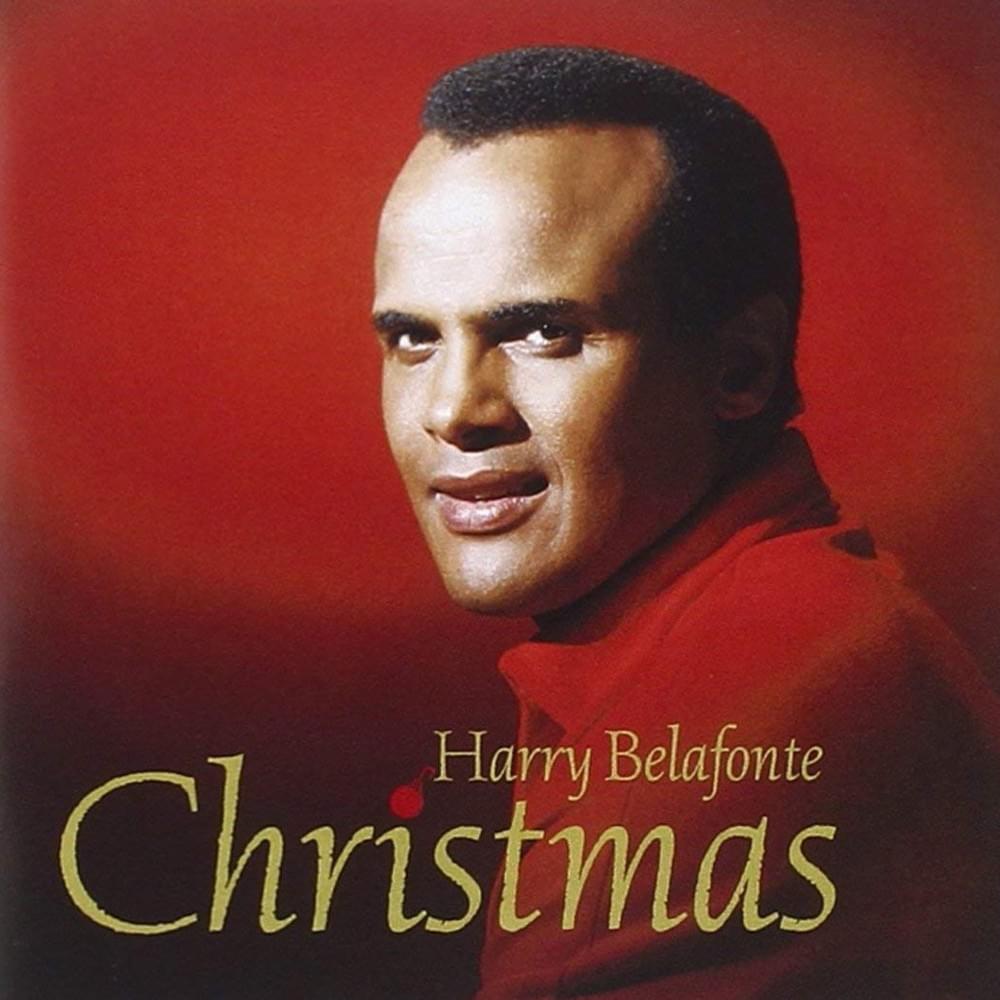
{"song_id": 11835081, "meaning": "Harry Belafonte's rendition of \"A Star in the East\" isn't just a Christmas carol; it's a psychological imperative, a call to abandon the familiar comforts of the ego for the turbulent journey toward spiritual awakening. The insistent repetition of \"Rise up shepherd and follow\" acts as a hypnotic suggestion, urging the listener to transcend the mundane. The star, of course, is the archetypal symbol of hope and divine guidance, but it's the *abandonment* required that cuts to the quick. Belafonte isn't singing about passive observation; he's demanding active participation, a radical shift in priorities. The lyrics compel the listener to forsake the tangible – \"ewes and lambs,\" \"sheep and rams\" – representing earthly possessions, social roles, and the predictable routines that define our conscious lives.
The song's genius lies in its simplicity. It doesn't offer theological complexity or narrative detail. Instead, it drills down to the core psychological challenge of faith: the willingness to relinquish control and embrace the unknown. The \"Savior's words,\" vaguely referenced, become a stand-in for any higher calling that disrupts the status quo. The instruction to \"forget your flocks…forget your herds\" isn't merely practical advice for a shepherd; it's a metaphor for detaching from the ego's relentless need for security and validation. Belafonte understands the primal fear of this detachment.
Ultimately, \"A Star in the East\" is a song about transformation. It's a reminder that the path to enlightenment, whatever form it takes, demands a willingness to shed the layers of identity we've carefully constructed. The repetitive structure, far from being monotonous, reinforces the persistent, nagging voice of intuition that calls us to something beyond the immediate and the material. The song meaning transcends the Christmas narrative, becoming a timeless exploration of faith, sacrifice, and the courage to follow an inner light, even when it leads us away from everything we think we know."}
 View Artist