Song Meaning
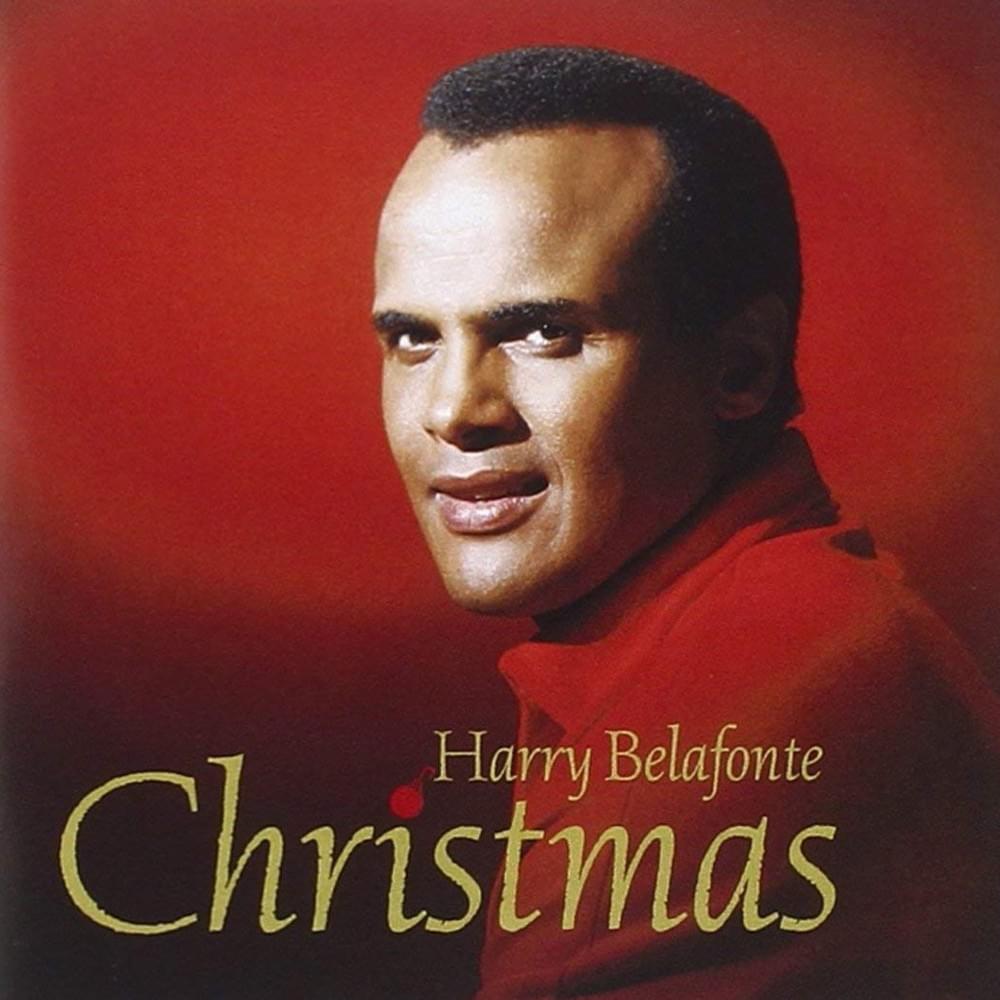
Harry Belafonte's rendition of "The Son of Mary" isn't just a carol; it's a carefully constructed narrative of reverence. The song, steeped in traditional Christian imagery, paints a scene of profound humility and unexpected majesty. The opening lines, "What child is this who laid to rest / On Mary's lap a sleeping," immediately juxtapose the vulnerability of an infant with the weight of destiny. It's a question posed not just to the listener, but perhaps to the ages, hinting at the paradox at the heart of the Christian faith: divine power manifested in human frailty. Belafonte's interpretation, undoubtedly influenced by his own activist spirit, subtly underscores the revolutionary nature of a king born not in a palace, but in a manger. The lyrics subtly invite all—"peasant king" alike—to recognize the inherent dignity in the humble origins of this figure.
The recurring invocation to "haste, haste to bring him praise" feels less like a command and more like an urgent invitation to participate in a moment of cosmic significance. The gifts of "incense, gold, and myrrh" are not just material offerings, but symbolic gestures of worship, acknowledging the multifaceted nature of Christ's role as priest, king, and sacrifice. The lyrics, while simple on the surface, resonate with deeper psychological implications. The appeal to "loving hearts" suggests that true recognition of Christ's significance comes not from intellectual understanding, but from emotional resonance and empathy. The song avoids complex theological arguments, instead focusing on the emotional core of the Nativity story: the birth of hope and the promise of redemption.
Ultimately, "The Son of Mary," as interpreted by Belafonte, transcends its status as a mere Christmas carol. It becomes a meditation on power, humility, and the transformative potential of love. The persistent refrain of "The babe the son of Mary" serves as a constant reminder of the human connection to the divine, grounding the lofty themes in the simple, universal image of a mother and child. It's a call for recognition, not just of a religious figure, but of the inherent worth and dignity present in all of humanity. While overtly a song about the Nativity, the song subtly advocates for the embrace of love and empathy as the foundation for a more just and equitable world. The song meaning, therefore, becomes less about theological doctrine and more about the human capacity for compassion.
 View Artist